≥ 92% of participants will increase their knowledge and confidence regarding bioterrorism and weapons of mass destruction.

CEUFast, Inc. is accredited as a provider of nursing continuing professional development by the American Nurses Credentialing Center's Commission on Accreditation. ANCC Provider number #P0274.
≥ 92% of participants will increase their knowledge and confidence regarding bioterrorism and weapons of mass destruction.
After completing this continuing education course, the participant will be able to:
Over the years, there has been an increasing number of threats of bioterrorism and use of weapons of mass destruction, which pose a significant risk to public health and safety. According to a study conducted by Tin et al. (2022), between the years 1970 and 2019, there were 33 acts of terrorism involving biological agents. These acts lead to approximately 800 injuries and nine deaths. Furthermore, the majority (21 of 33) of the acts occurred in the United States (U.S.) (Tin et al., 2022). As healthcare professionals often stand at the front lines, it is paramount for them to understand the threat, recognize symptoms early, and respond quickly. Early recognition and response by initiating emergency protocols can potentially prevent the spread of biological warfare and mass casualty events, thus saving numerous lives.
This course provides an overview of terrorism, including bioterrorism and weapons of mass destruction. It also reviews the different types of agents, including chemical, biological, radioactive, and nuclear, as well as the various types of personal protective equipment (PPE) that healthcare professionals must wear in the event of a terrorist attack. Learners will also read about the various signs, symptoms, and treatment methods for diseases and conditions caused by these agents. Readers will learn about emergency preparedness and triage. Lastly, this course discusses syndromic surveillance and reporting procedures related to acts of terrorism and provides an overview of the Health Alert Network (HAN).
It is important for healthcare professionals to understand the definitions surrounding bioterrorism. Some of these definitions include the following:
Throughout the years, there have been many events involving bioterrorism and weapons of mass destruction. Acts of terrorism also include the subcategory of bioterrorism, where biological agents are used as weapons to harm a large number of people. Bioterrorism has been a concern for hundreds of years, with one of the first reported incidents of bioterrorism dating back to 600 B.C. Furthermore, below are some major events throughout history where bioterrorism or weapons of mass destruction were used:
Due to the number of biological warfare attacks, the U.S. initiated the establishment of a biological warfare program in 1942. Biological warfare research facilities were established, including Camp Detrick, located in Maryland. In this facility, research and development of bombs containing Bacillus anthracis spores took place. However, later production of these bombs was halted due to safety concerns (Rathish et al., 2023). The U.S. Biological Defense program remains in place today, focusing on preparedness, surveillance, and countermeasures related to biological and chemical warfare (U.S. Department of Homeland Security, 2024b).
Terrorism is the intentional use or threat of violence to create a climate of fear in the general population to bring about a specific political objective. This term was first introduced in the 1790s during the French Revolution by Maximilien Robespierre, who carried out mass executions via the guillotine during the Reign of Terror (Jenkins, 2025).
According to the FBI, there are two significant types of terrorism, which include international and domestic terrorism. International terrorism involves intentional violent acts by foreign terrorist organizations or nations. Conversely, domestic terrorism is “violent, criminal acts committed by individuals and/or groups to further ideological goals stemming from domestic influences, such as those of a political, religious, social, racial, or environmental nature” (FBI, n.d.-a). Thus, as the name implies, domestic terrorism occurs in the terrorist’s home country.
To maintain widespread fear, terrorists must create increasingly violent and dramatic attacks to bring about their political objective.
Unfortunately, these terrorist attacks target areas where large crowds are present, like shopping centers, train stations, large buildings, schools, and other areas. Newer terms surrounding terrorism are ecoterrorism, which is defined as intentional destruction in order to protect the other party from harming the environment. Environmental extremist groups often carry out ecoterrorism. In addition, stochastic terrorism is a newer term that entails using hate speech or crimes against a targeted person, group, or population (Jenkins, 2025).
The U.S. has suffered many terrorist attacks over the years, with some significant events including (Jenkins, 2025):
The impact of acts of terrorism is vast, causing physical and emotional harm. Terrorist attacks cause emotional or psychological harm by leaving feelings of insecurity and a lack of public safety. Terrorism also contributes to economic and public health unrest, since it disrupts the economic infrastructure, increases government spending, reduces productivity, and impacts global trade. Since terrorist attacks often cause serious injuries, they also strain local emergency services (i.e., police, fire, medical, etc.) and hospitals that treat those who are injured. Additionally, terrorist attacks disrupt everyday life by changing routine travel, security checkpoints, and, oftentimes, temporarily closing public services like transportation, government offices, and schools. Lastly, terrorism diminishes the strategic advantage by weakening national security and damaging its reputation and soft power by making it appear unsafe (U.S. Immigration and Customs Enforcement, 2025).
Mass casualty events or incidents are any event that overloads a healthcare system, usually occurring during a short period of time, where the number of injuries and casualties exceeds the number of available resources. Mass casualty events can be either man-made or naturally occurring (DeNolf & Kahwaji, 2022).
Examples of man-made mass casualty events are:
Regardless of their cause, mass casualty events can overwhelm hospitals and healthcare facilities due to the number of people injured and the strain on available resources.
As earlier defined, weapons of mass destruction are destructive devices or weapons that are designed to cause serious injury or death to a large group of people.
The U.S. Department that helps prevent terrorist attacks and monitors the threat and use of weapons of mass destruction is the Department of Homeland Security. This department aims to prevent terrorist attacks through thorough monitoring and surveillance. They conduct research to develop new equipment for detecting weapons of mass destruction and help coordinate safety responses in the event of an attack. Furthermore, if an attack occurs, the Department of Homeland Security is responsible for investigating the attack and determining the perpetrators (U.S. Department of Homeland Security, 2022a).
Bioterrorism is the intentional use of biological agents, such as bacteria, viruses, fungi, protozoa, or toxins, to harm people (civilians) or even livestock and crops (CDC, 2025a). Since these biological agents are used as weapons in these instances, they are also referred to as biological weapons of mass destruction. In addition to the type of biological agent, biological weapons of mass destruction are also categorized based on their potential for morbidity and mortality. These categories are:
PPE is clothing and respiratory protective equipment worn by healthcare workers and other personnel to protect them against hazardous agents. The type of PPE used depends on the type of potential or anticipated exposure from the agent or weapon, whether biological, chemical, or physical. Proper PPE also depends on the circumstances in which the healthcare professional is exposed, like time and setting (Radiation Emergency Medical Management [REMM], 2025b).
PPE is divided into two major categories, which include civilian and military PPE. Healthcare clinicians use civilian PPE for instances of possible exposure. Different types of PPE are worn depending on whether the healthcare clinician is a first responder or first receiver (REMM, 2025b). As the name implies, a first responder is an individual who responds immediately to the scene of the emergency. Examples of typical first responders are police officers, firefighters, emergency medical technicians (EMTs), and paramedics (Merriam-Webster, 2025). First responders are those individuals who work near the site of an emergency. First receivers are healthcare professionals who work in a healthcare facility and receive patients for treatment from first responders. They may or may not be located near the scene of the emergency, since patients are transported to facilities depending on the severity of their injuries. Examples of first receivers are hospital staff members, including physicians, nurses, and patient care technicians (REMM, 2025a).
As described, healthcare professionals wear civilian PPE, and the type of PPE worn depends on the suspected exposure and the individual’s role during an emergency situation. Therefore, civilian PPE is further categorized into four levels, including:
Since each level has differing potential exposures, first responders and receivers must wear different PPE.
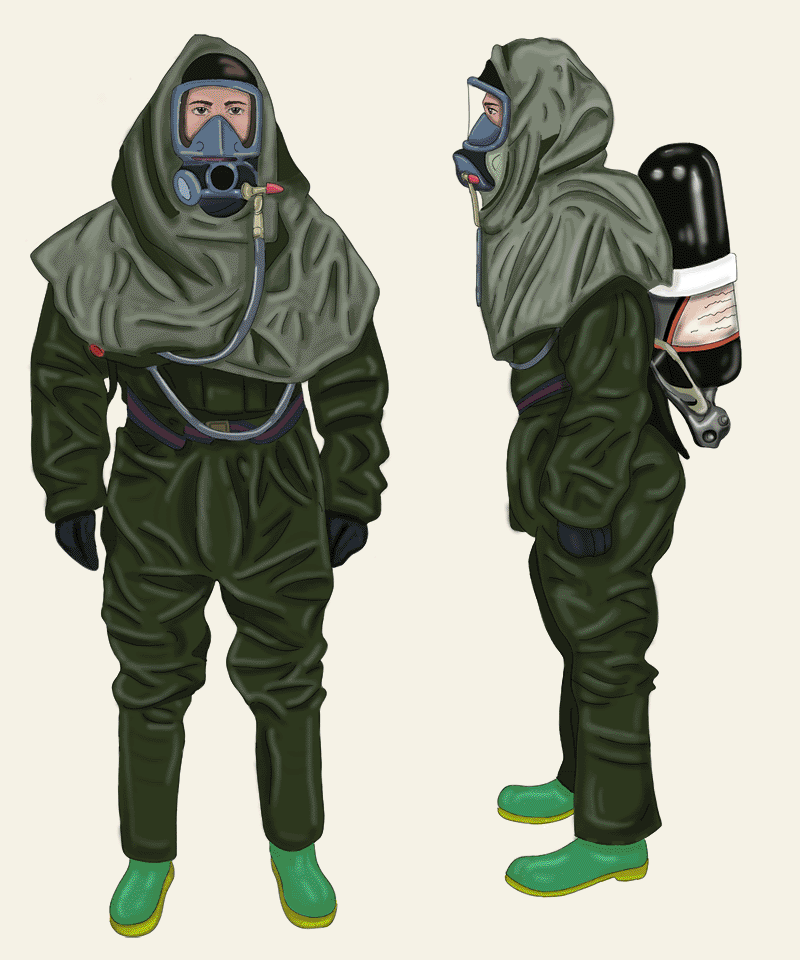
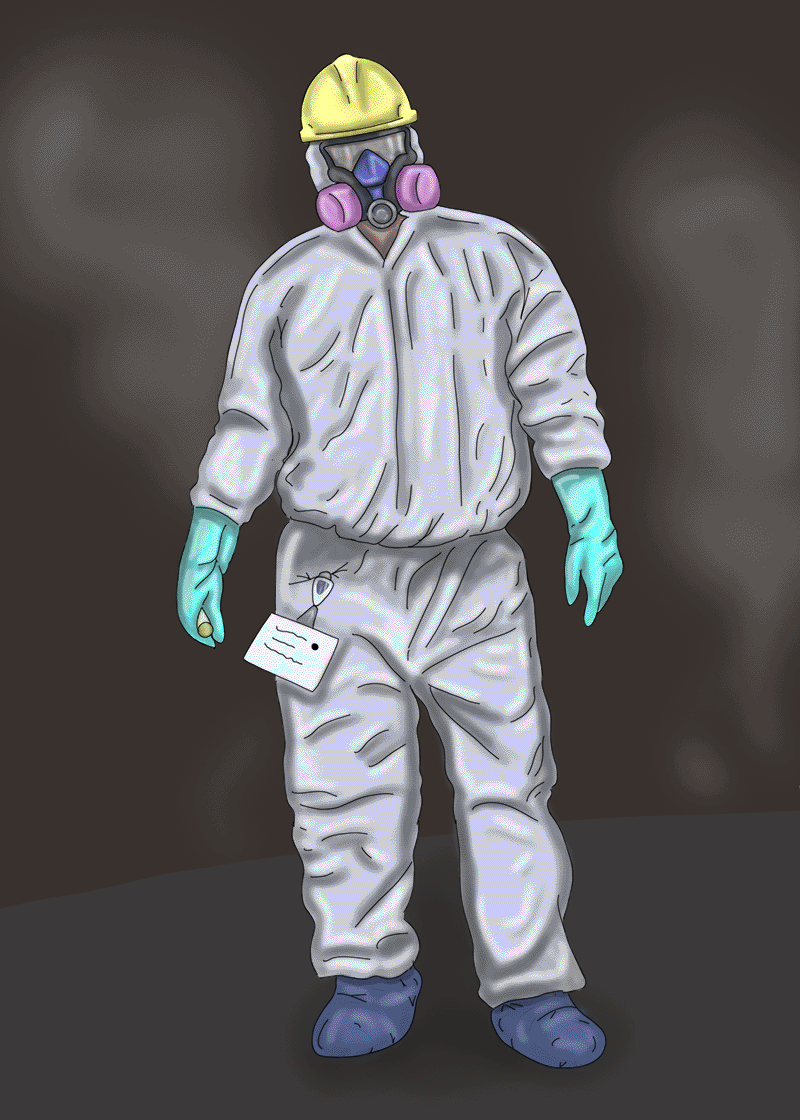
Level A PPE consists of:
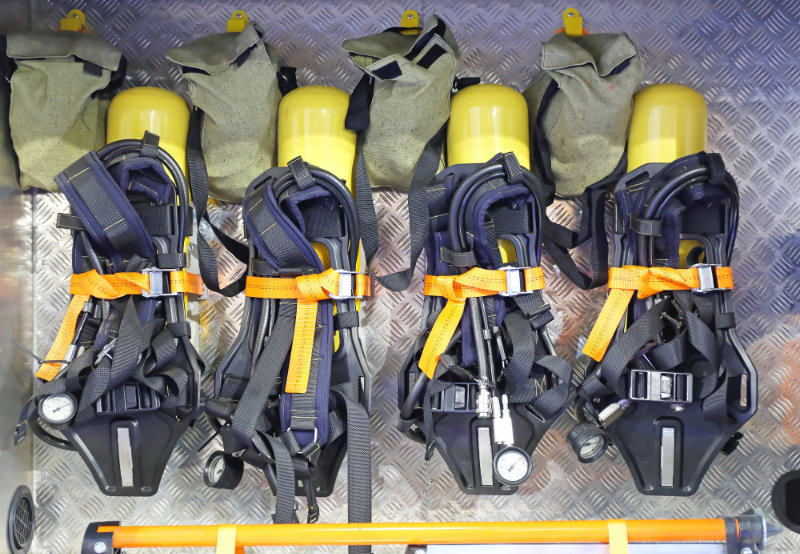
Self-Contained Breathing Apparatus (SCBA)

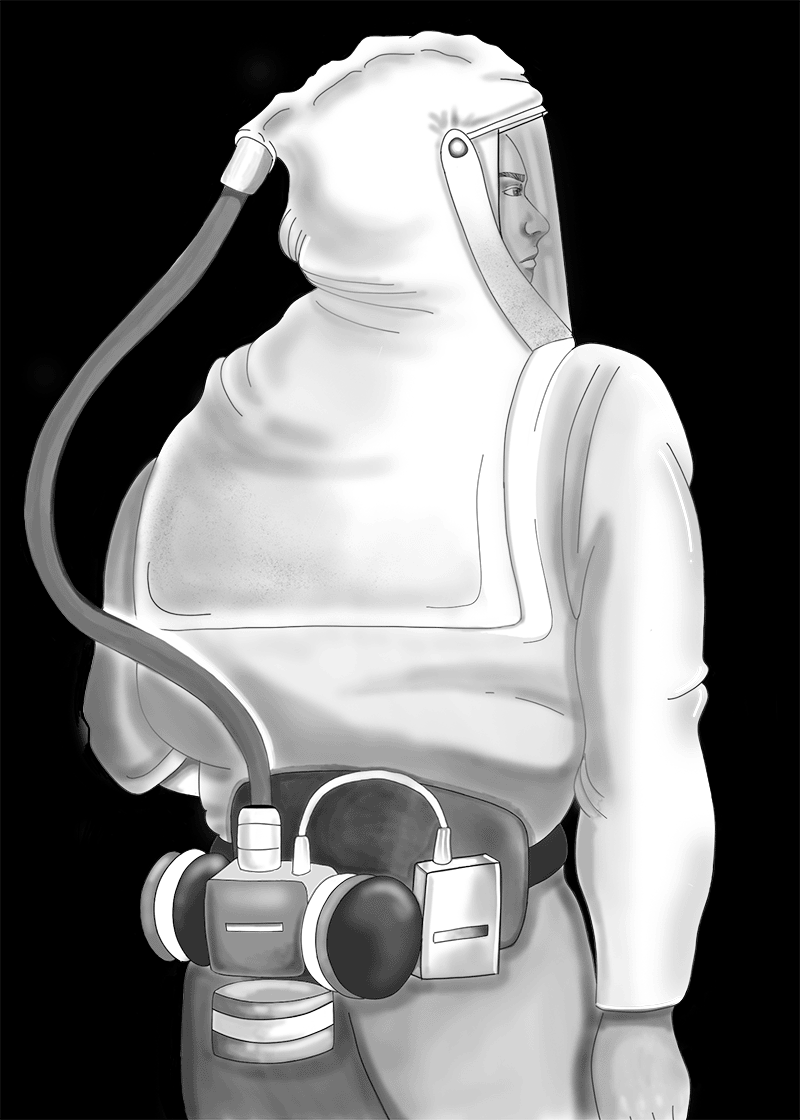
Powered Air-Purifying Respirator (PAPR)

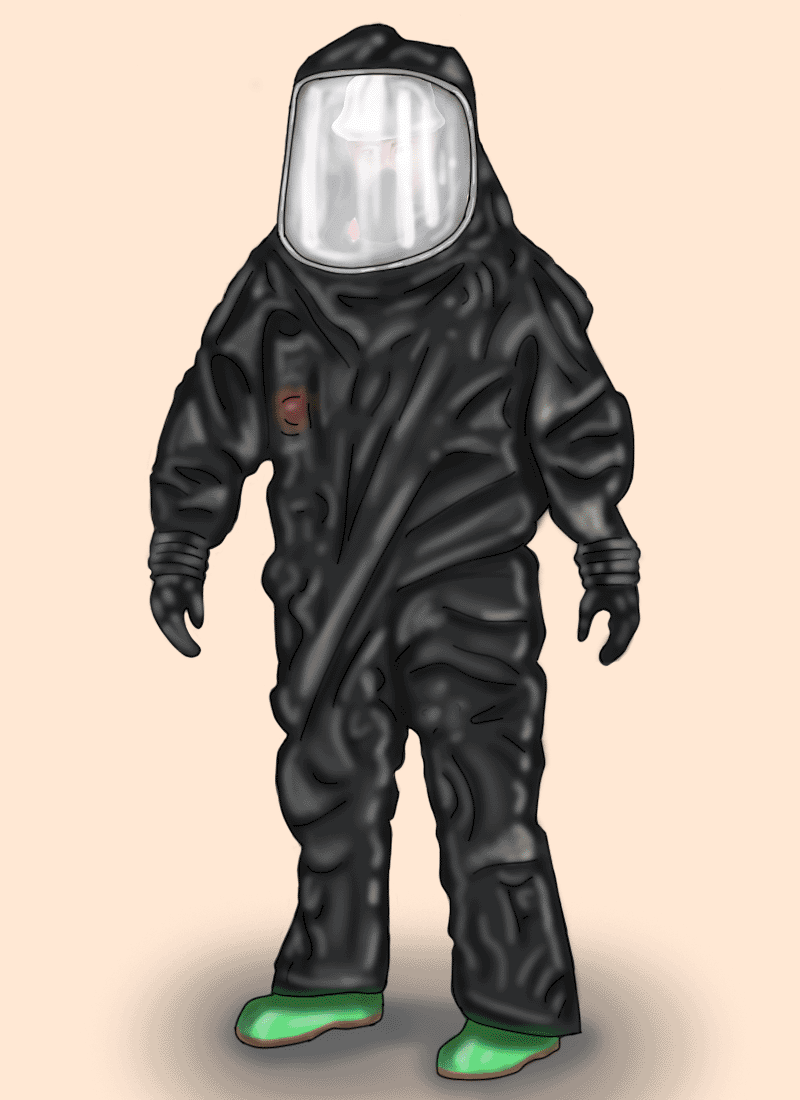
Total Encapsulating Liquid Chemical-Protective and Vapor-Protective Suit

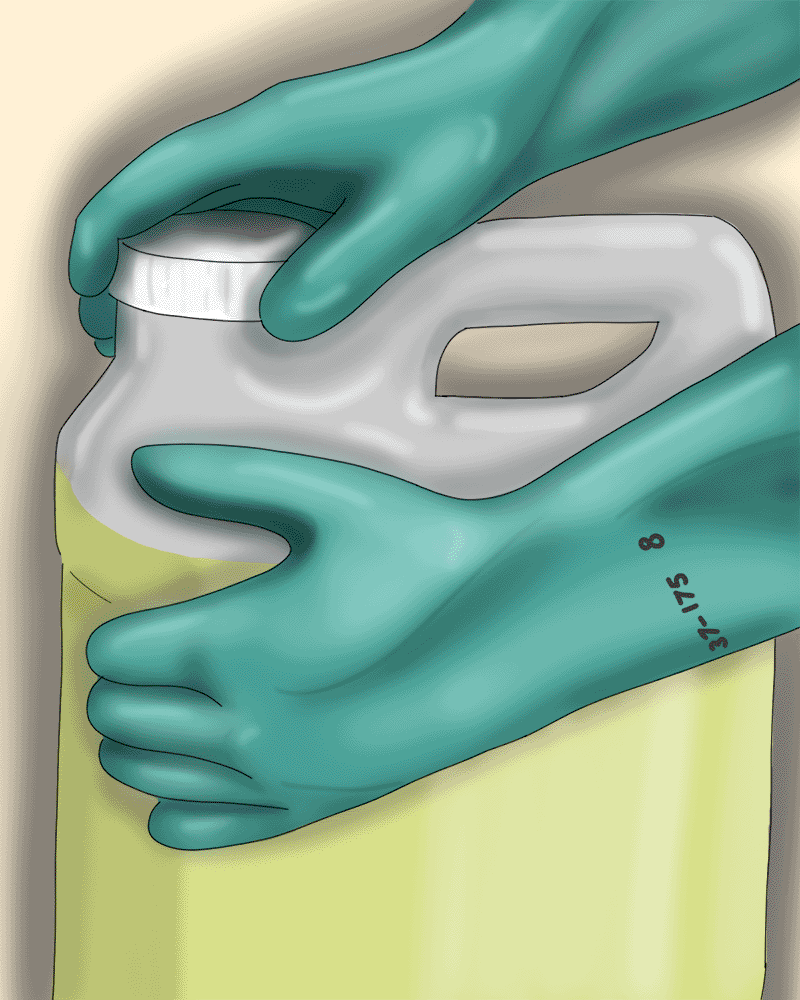
Chemical-Resistant Gloves

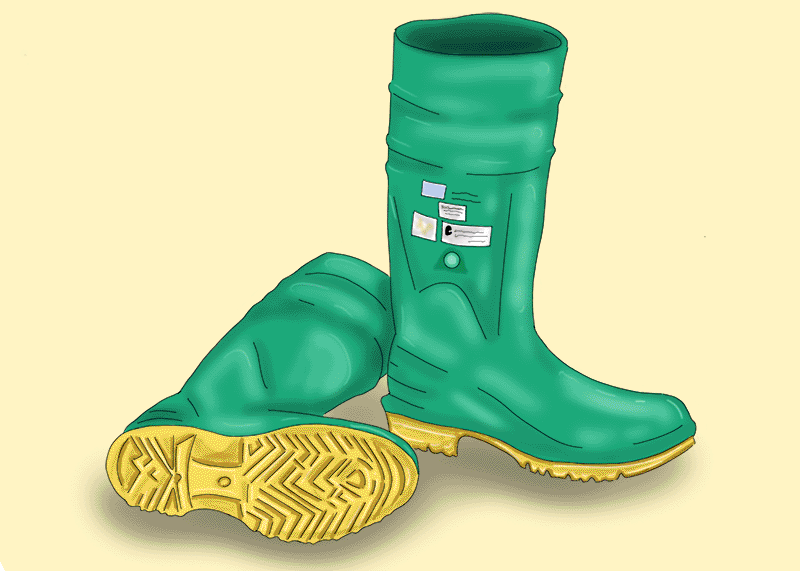
Chemical-Resistant Steel-Toe Boots

Supplied-Air Respirator (SAR)
.gif)
Non-Gas-Tight Encapsulating Skin Protective Suit

Level C PPE consists of:
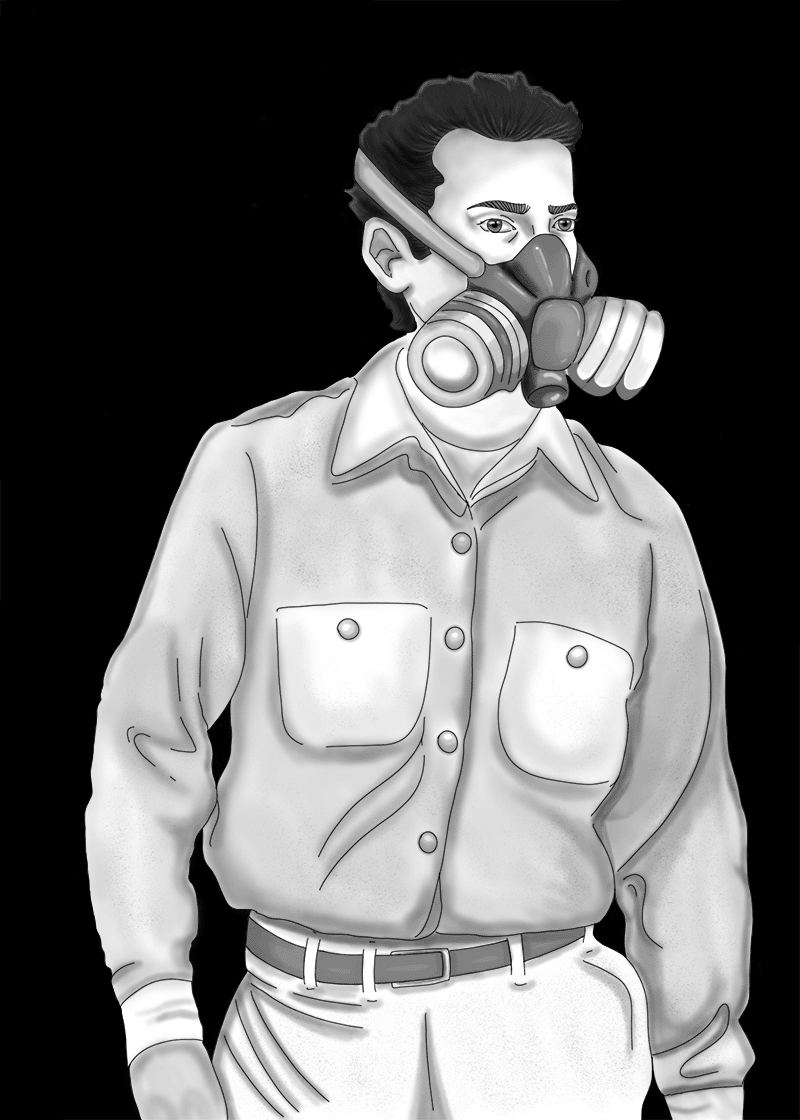
Half-Mask Air-Purifying Respirator

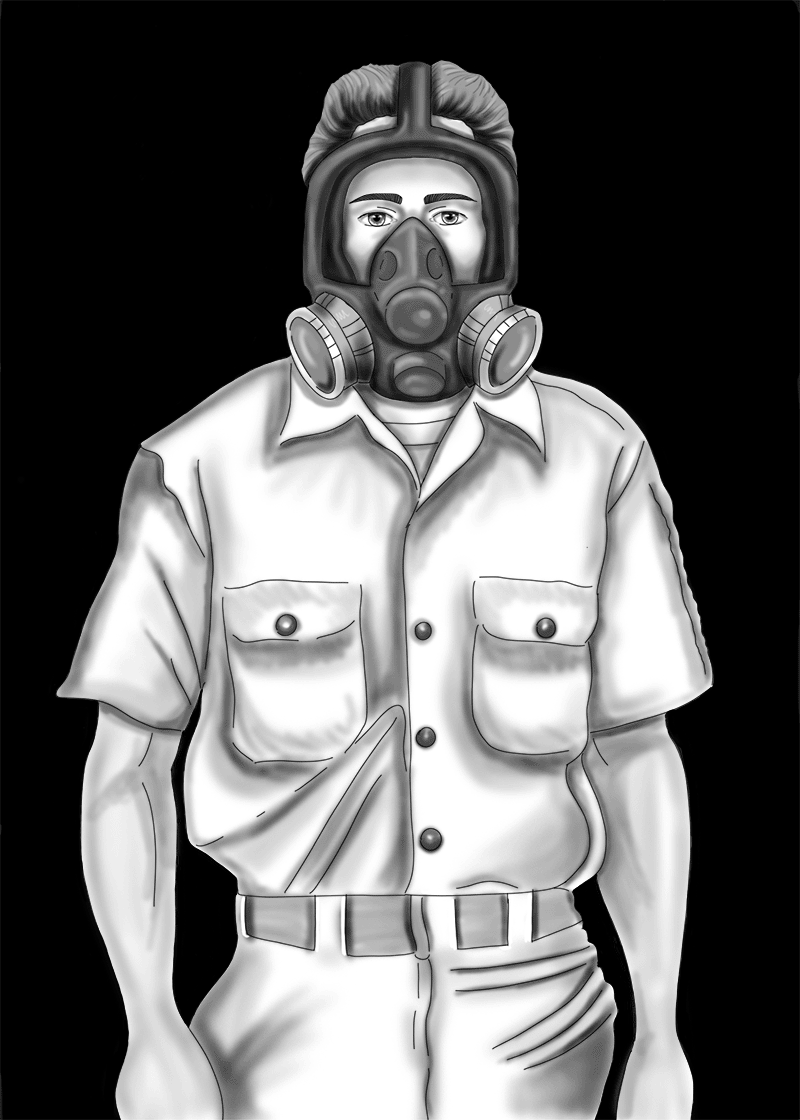
Full-Mask Air-Purifying Respirator

Splash Suit

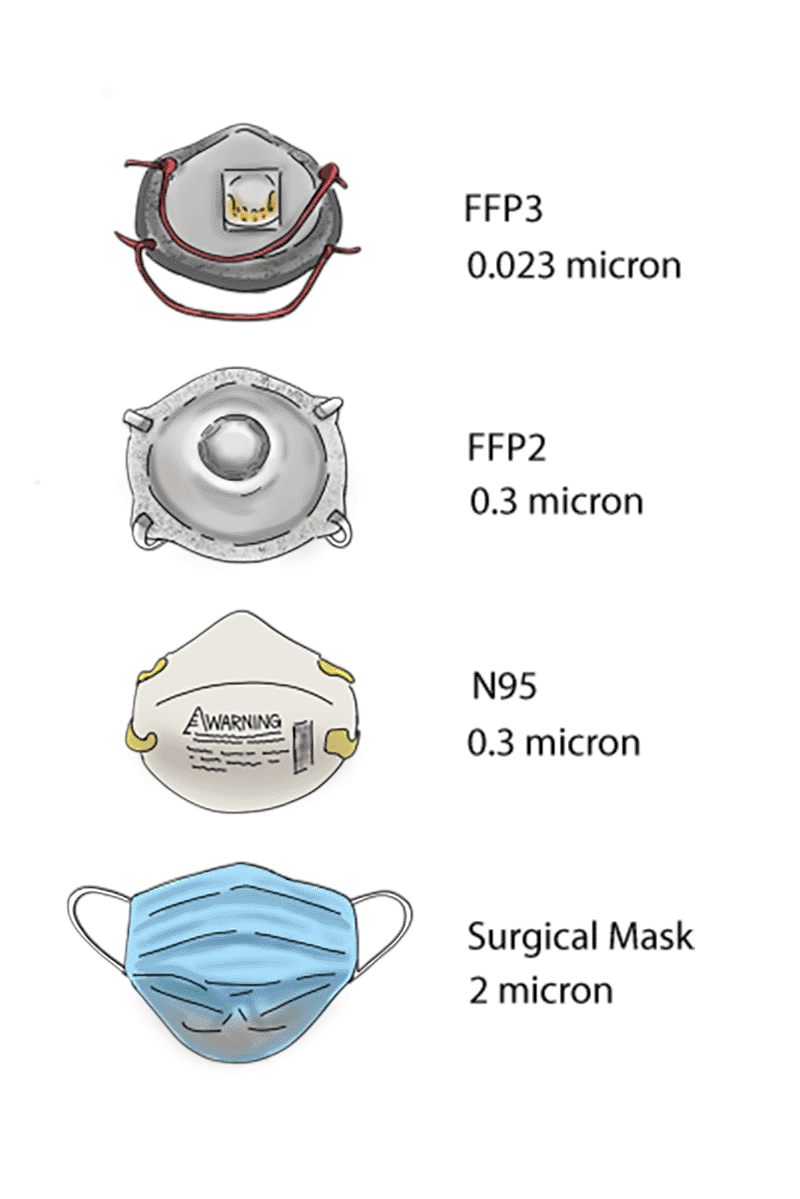
Different Types of Level D Masks

Level D PPE

| Respiratory Device | Assigned Protective Factor |
|---|---|
| Half-mask air-purifying respirators | 10 |
| PAPR | 25 |
| Full-mask air-purifying respirators | 50 |
| Supplied-air respirators | 1,000 |
| (REMM, 2025c) | |
The levels of civilian PPE pose several advantages and disadvantages. When comparing respiratory protection apparatuses, their advantages and disadvantages include:
Notably, numerous other respiratory protective devices and fit options are also available.
The selection should always rely on the indications and level of hazard it poses. However, it is crucial to understand the advantages and disadvantages of each level of PPE, especially for the clinician. The major advantage of level A PPE is that it provides the highest level of respiratory and skin protection. However, donning and doffing this PPE can be difficult, and training and supply costs are expensive due to the level of required expertise. Level B provides better mobility when compared to Level A PPE. In addition, it has similar disadvantages to Level A PPE, but fit testing is required for the respiratory equipment. Level C PPE has even more mobility and allows for extended operation time. However, if the risk of chemical splash is high or oxygen levels are lower than atmospheric levels, then Level C PPE is insufficient. Lastly, Level D PPE poses the least amount of physical stress and offers the best mobility, although this level of PPE provides minimal protection (REMM, 2025b).
There are two types of contamination, including primary and secondary. Primary contamination occurs when a person or piece of equipment comes into direct contact with a contaminant. Secondary contamination occurs when a person or piece of equipment comes into contact with something or someone that is contaminated. An example of secondary contamination is a healthcare professional coming into contact with a patient who has been contaminated with a chemical agent.
Healthcare professionals who perform patient decontamination measures must wear the appropriate PPE, including gloves, gowns, face shields, and masks, to protect themselves. They must consider direct contact hazards as well as potential airborne hazards. During decontamination, a zone approach is used to manage the levels of contamination. These contamination zones include:
Specific measures must also be taken to decontaminate the surrounding environment, especially in hospitals and other healthcare settings. These protocols and procedures are outlined by the healthcare facility and guided by the Occupational Safety and Health Administration (OSHA) and other organizations, depending on the type of contaminant (FEMA, 2023).
Healthcare professionals who care for patients exposed to radiation must take additional decontamination measures. Personnel who are pregnant should not care for patients exposed to radiation or any areas where radiation exposure is a risk, including any environmental radiation or pre-decontamination areas. For staff who provide care, they must wear a personal radiation dosimeter that measures the amount of radiation to which they are exposed. In addition, when performing patient decontamination or removing foreign bodies, healthcare professionals should wear a finger ring dosimeter on both hands and, at a minimum, on their dominant hand to detect levels of radiation exposure (REMM, 2025d).
A healthcare team is dispatched to a local warehouse where employees are reporting a strong chemical odor. They suspect it may have occurred when the forklift prongs accidentally punctured several containers just a few minutes before the call. The containers were labeled as containing ammonia-based industrial cleaners. In addition, several warehouse workers report experiencing minor respiratory symptoms, such as cough and throat irritation. Upon arrival at the scene, the area appears to be adequately ventilated, and the Safety Data Sheets (SDS) indicate that this chemical is non-volatile and of low toxicity. There are no signs of a fire or unknown contaminants in the area either. When the air quality was tested, oxygen levels were within the normal range, and airborne concentrations were above the occupational exposure limits but below the levels that pose an immediate danger to life or health. The healthcare team refers to their air quality schedule and finds that the assigned protective factor can be 50 or less.
Based on this scenario, what level of PPE might the healthcare team choose and why? What equipment does this level of PPE entail? What are the advantages and disadvantages of choosing this level of PPE in this scenario?
Before selecting a level of PPE, it is important to consider:
Since this chemical is known to be ammonia-based and the SDS sheets reveal that it is a non-volatile and low-toxicity level, PPE level C is appropriate. In addition, the air contaminants are known, and the air quality is tested. This further supports that Level C PPE is appropriate. Since people in the chemical spill area reported respiratory symptoms, the healthcare team should select an appropriate respiratory protective device. For level C PPE, an air-purifying respirator that is NIOSH approved is appropriate. A half-mask air-purifying respirator or a full-mask air-purifying respirator may be worn. A full one should be worn if goggles are not available.
Next, the healthcare team should select skin protective equipment. Since this is a chemical spill, a splash suit must be worn with chemical-resistant gloves, boots, and a helmet. If a fire were present at the scene or if the SDS revealed a high potential for explosion or fire, then bunker gear would be the best option, as this gear is flame- and water-retardant. Again, protective goggles are worn if the healthcare team has half-mask air-purifying respirators to ensure proper eye protection. Some members of the healthcare team may also wear a face shield over their goggles.
Next, the healthcare team weighs the advantages and disadvantages of the level C PPE they selected. The advantages of level C PPE are that it provides more mobility and extended operating time. This is particularly beneficial during a large chemical spill, as several large containers may have been spilled, which can take considerable time to clean up. However, the disadvantage of this level of PPE is that if the risk of chemical splash is high or oxygen levels are low, then other respiratory and skin protective equipment would be better.
This case study highlights the importance of conducting and understanding a thorough hazard assessment before selecting the appropriate level of PPE. Level C PPE is effective when a chemical hazard is known (i.e., the healthcare team knew the chemical spilled and the SDS had clear hazard explanations) and airborne contaminants and concentrations are measured and known.
Individuals who are exposed to agents or weapons of mass destruction are subject to developing adverse effects that require prompt treatment. Thus, it is important for healthcare clinicians to recognize the signs and symptoms of the common types of hazardous agents and understand the initiation of protocols and methods of treatment.
The signs and symptoms of chemical agent exposure, as well as their management and treatment, are outlined below.
Cyanide is considered a chemical blood agent that can exist in either liquid or gaseous form. Exposure to this agent can occur through skin or eye contact, or by inhalation or ingestion. This chemical is commonly used in the production of textiles, paper, and plastic, but is also used as a weapon of mass destruction. Hydrogen cyanide is a chemical asphyxiant known to be fatal, as it interrupts tissue oxygenation. The gas is often odorless; however, some individuals who inhale it may report a “bitter almond” odor or a burning taste (CDC, 2024f).
A small amount of cyanide exposure can quickly lead to an array of symptoms, some of which include (CDC, 2024f; Williams et al., 2023):
If cyanide exposure occurs, patients should be placed immediately on 100% supplemental oxygen. Some patients will require mechanical ventilatory support. Injections of sodium thiosulfate (two vials of 12.5 grams [G]/50 milliliter [mL], sodium nitrate (2 ampules of 300 milligrams [mg]/10 mL), and hydroxocobalamin (5 G) are administered. Additionally, ampules of the inhalant amyl nitrite are administered for treatment. Patients are closely monitored for hemodynamic stability, and blood levels are drawn for monitoring and development of further complications (Williams et al., 2023).
Healthcare clinicians should carefully remove the individual's clothing and bag it in the proper plastic bag (in some cases, only double plastic bagging is available). Then, place the bag in the designated disposal area (it cannot be discarded in regular trash) and call the local authorities for disposal pickup. When possible, do not attempt to remove clothing over the person’s head, as this can worsen exposure and cause respiratory and skin symptoms to become more severe. Blot any liquid from the patient’s body with dry towels or cloths. The most effective method for removing liquid cyanide from the skin is to shower or wash the affected area thoroughly. If possible, gently wash the person’s body with lukewarm water and mild soap for about 90 seconds, starting with the face, hair, and hands. Do not scrub the individual’s skin and avoid areas like the eyes, nose, and mouth. Once washed, rinse with water for about 30 seconds (CDC, 2024f).
Sulfur mustard, also known as mustard gas, is a type of blistering chemical agent. This category of chemical agents causes painful water blisters on the skin in those who are exposed and is also sometimes referred to as vesicants. Other blistering agents with similar properties and treatment to mustard gas include lewisite, nitrogen mustard, and phosgene oxide (Williams et al., 2023). Mustard gas is an oily, liquid-textured substance at room temperature and can range in color from clear to yellow or brown. This chemical agent can have no odor or smell like mustard, garlic, or onions to some individuals. It can last up to two days in average environmental conditions, but can persist for much longer in colder environments, ranging from weeks to months (CDC, 2024h).
Mustard gas has a prolonged symptom onset, where signs and symptoms do not appear immediately and can take up to 24 hours.
Lewisite is another blistering agent that was produced during World War I but was never used. This liquid blistering agent, in its purest form, has an oily and colorless appearance. When in an impure liquid form, it ranges in color from amber to black. Some individuals report that Lewisite smells like geraniums. Lewisite contains arsenic, which makes it highly poisonous. Symptoms develop within minutes of exposure (CDC, 2024g). Lewisite exposure can cause a constellation of symptoms, such as (CDC, 2024g; Williams et al., 2023):
If exposed to blistering agents, it is imperative to remove clothing, blot any visible liquid, and gently wash the body with mild soap and water. Healthcare clinicians should follow institutional protocols and clothing disposal procedures. Unfortunately, mustard gas has no antidote or cure, so supportive treatment is indicated. For patients exposed to Lewisite, the antidote called British anti-lewisite is available, which should be administered immediately. After antidote administration, supportive care is given (CDC, 2024b; CDC, 2024g; Williams et al., 2023).
Blistering agents can cause long-term health effects. For sulfur mustard, long-term effects like second and third-degree burns, skin scarring, and skin cancer are highly likely. Temporary or permanent blindness is possible, as well as recurrent eye infections. In addition, long-term respiratory complications like chronic respiratory diseases, infections, and cancers are possible (CDC, 2024h). Lewisite can still result in skin scarring and burns, but it is less likely when compared to sulfur mustard. Other long-term complications, like permanent blindness and respiratory diseases, may develop after exposure (CDC, 2024g).
Chlorine gas exposure is primarily a respiratory irritant, but can also contribute to the development of other symptoms, like (CDC, 2024b; Morim & Guldner, 2023):
Similar to chlorine, phosgene is a respiratory chemical agent that comes in both liquid and gaseous forms. It is also known as CG, is colorless to pale yellow in color, and smells like freshly mown hay or green corn (CDC, 2024i). Signs and symptoms of phosgene exposure may not show up until about 48 hours after exposure and include (CDC, 2024i; Williams et al., 2023):
If exposure to pulmonary agents occurs, it is important to get away from the area where the exposure occurred (find an area of fresh air). Most pulmonary agent gases are heavier than air, so do not crawl when attempting to get away from the area, since it exponentially increases the risk of exposure. Again, clothing is removed and properly disposed of, and the skin is blotted with a towel and gently washed. Treatment for chlorine and phosgene gas exposure is supportive since there is no known antidote or cure. Supportive care measures should include the administration of supplemental oxygen (via nasal cannula or mechanical ventilation in more severe cases) and managing secretions by suctioning. If chlorine liquid is ingested, do not induce vomiting (CDC, 2024b; CDC, 2024i; Williams et al., 2023). Treatment for other pulmonary agents, such as nitrogen oxides, is also supportive. If patients are exposed to nitrogen oxides and develop pulmonary edema, administration of high-dose steroids, intubation, and mechanical ventilation is warranted. The positive end-expiratory pressure (PEEP) should be maintained at a partial pressure of oxygen of at least 60 millimeters of mercury (mmHg)(Williams et al., 2023).
Chemical pulmonary agents can cause long-term health effects. Fortunately, most patients who experience short-term exposure to chlorine will return to normal lung function within two weeks and make a complete recovery. However, in some cases, long-term pulmonary diseases may develop, like reactive airway dysfunction syndrome (RADS) (CDC, 2024b). Individuals exposed to phosgene are also likely to recover completely, but may have chronic respiratory problems like bronchitis, emphysema, and RADS (CDC, 2024i).
Soman is a type of human-made chemical nerve agent that interferes with the nervous system by blocking acetylcholinesterase. Nerve agents can be absorbed through the respiratory and integumentary systems (Williams et al., 2023). Soman, also known as “GD,” was initially created to be an insecticide in the 1940s in Germany, and in the 1980s, it is thought to have been used as a chemical agent during the Iran-Iraq War. Soman is primarily available in liquid form, which smells like camphor, mothballs, or rotten fruit, but some people may be unable to smell soman. Soman can also be heated to become a gaseous form (CDC, 2024l).
Once exposure occurs, symptoms can develop within a few minutes to hours (CDC, 2024l; Williams et al., 2023):
Sarin, also known as “GB,” is another colorless, tasteless, odorless chemical nerve agent. Individuals exposed to this nerve agent can develop (CDC, 2024k; Williams et al., 2023):
These lists are not exhaustive of the signs and symptoms that may develop from nerve agent exposure.
As with most other chemical agents, healthcare professionals should remove the individual from the area where exposure occurred, carefully remove the person’s clothing, and blot areas of liquid exposure with dry cloths. When available, the patient should then be gently washed with mild soap and water.
The management and treatment for patients exposed to all types of nerve agents are similar. The healthcare clinician, first responder, or first receiver should administer atropine every 5-10 minutes until secretions begin to dry. Three injections (roughly 600 mg) of 2-PAM CL are also given within a few minutes. These medications are given as soon as possible to reduce the possibility of severe health effects. Additionally, clinicians provide supportive care measures like life-saving procedures, hemodynamic stability, supplemental oxygen, and monitoring (CDC, 2024l; CDC, 2024k; Williams et al., 2023).
Although most people recover with no lasting effects from nerve agent exposure, some may develop long-term health issues. Examples of long-term health effects are paralysis, nerve pain, muscle weakness, and neuropathy. Individuals who are exposed to higher doses of nerve agents are unlikely to survive (CDC, 2024l; CDC, 2024k).
As the name implies, incapacitating agents produce temporary physical or mental effects, rendering the individual unable to function or perform their duties. Examples of incapacitating agents are BZ or agent buzz (3-quinuclidinyl benzilate) and LSD (lysergic acid diethylamide). Riot control agents, also known as tear gas or agents, fall into this category (Williams et al., 2023). Examples are CN (chloroacetophenone), OC (oleoresin capsicum or pepper spray), and CS (Chlorobenzylidenemalononitrile) (CDC; 2024j).
Incapacitating agents differ from riot control agents based on their intended effects. Incapacitating agents are intended to produce systemic effects, whereas riot control agents produce localized reactions or irritation. Signs and symptoms of incapacitating agents are (Williams et al., 2023):
Riot control agents can produce irritative symptoms, including excessive eye tearing or burning, skin burns and rash, and mouth and nose burning, as well as difficulty swallowing. Nausea and vomiting, coughing, and chest tightness are also possible. Lasting exposure to incapacitating agents can cause more severe adverse effects, such as blindness, glaucoma, and chemical burns to the respiratory tract, leading to respiratory failure and, ultimately, death (CDC, 2024j).
Patients exposed to incapacitating agents should flush their eyes, mouth, and skin as much as possible to remove the biohazard. Furthermore, supportive care measures are instituted. Many individuals require supplemental oxygen to prevent the worsening of chemical burns, as well as bronchodilators and steroids to open the airways. Skin burns are treated according to burn management protocols, which entail gently washing the affected areas and applying bandages (CDC, 2024j; Williams et al., 2023).
A wide array of biological agents can be used as a form of warfare, ranging from viruses and fungi to protozoa and bacteria. The signs and symptoms of biological agent exposure, and their management and treatment, are described below.
Smallpox, also known as the variola major virus, is a highly contagious virus that was eradicated in the 1980s but still exists in small research laboratories today.
The lesions of smallpox develop about one to two days after symptom onset. Initially, the lesions appear toward the center of the body and then spread outward to the face, extremities, and palms of the hands and soles of the feet. Furthermore, initial skin lesions are flat and red (macular) but then develop into painful, fluid-filled pustules over the next several days. Those infected with smallpox are considered contagious during the week in which their rash appears. Once the blisters start to heal and scabs separate, the person is no longer contagious (Rathish et al., 2023; Reed-Schrader et al., 2023).
The diagnosis of smallpox is based on the patient’s clinical presentation. However, healthcare providers may order laboratory tests and collect specimens, which are then sent to a specialized processing facility to confirm the diagnosis. Specialized lab tests may include polymerase chain reaction (PCR) for the variola virus, electron microscopy, or a viral culture (not routinely ordered). Laboratory testing is not generally recommended for people with known exposure to smallpox. However, if smallpox is suspected, and exposure is unknown, then PCR testing is recommended.
Since smallpox is highly contagious, healthcare clinicians should immediately institute isolation precautions. Placing patients in a negative-pressure room without any other patients is necessary to reduce transmission and outbreaks. Healthcare clinicians should wear proper PPE when entering the patient's room or providing care. Proper PPE entails both contact and airborne precautions, so providers must wear an N95 mask, goggles, gloves, and a gown. In addition, proper channels, such as the public health department and/or the CDC, are notified of the potential smallpox case. They can help determine if testing is recommended. If smallpox is suspected and viral testing is recommended according to the guidelines (typically following an unknown exposure), then PCR testing is warranted. The laboratory test to confirm smallpox can only be performed in specialized labs, such as the CDC or an approved Biosafety Level 4 lab. These authorities may also help with contact tracing and monitor close contacts of the infected patient for signs and symptoms. There is no cure for smallpox, so treatment is supportive care (fluid replacement and antibiotics for secondary skin infections, if necessary). Antiviral medications have not been proven to be an effective treatment, so they are not typically prescribed. Although the U.S. Food and Drug Administration (FDA) has approved two medications, Tecovirimat and Brincidofovir, for use, they are not routinely prescribed due to the lack of human studies and well-proven efficacy. Vaccination against smallpox is the best method of prevention and can lessen the severity of symptoms if a person becomes infected. Routine vaccination against smallpox is not available since the virus was claimed to be eradicated; however, some military personnel and first responders may receive the vaccine due to their increased likelihood of exposure (CDC, 2024d; Rathish et al., 2023; Reed-Schrader et al., 2023).
The group of viral hemorrhagic fevers encompasses viruses such as Ebola, Hantavirus, Dengue, and Marburg, among others, which can lead to severe bleeding and fever. From the group, Ebola and Marburg are the deadliest, with a mortality rate ranging from 50% to 90% (Reed-Schrader et al., 2023). Symptom onset depends on the type of virus. Individuals infected with Ebola and Marburg virus typically develop symptoms within 2 to 21 days of exposure, whereas those infected with Machupo virus develop symptoms within 3 to 16 days. People who are infected will develop signs and symptoms, such as (CDC, 2025e; Williams et al., 2023):
Patients with viral hemorrhagic fevers should be placed in strict isolation and PPE precautions. Those infected individuals are placed in a single-patient room, and strict airborne precautions are implemented. If entering the patient’s room with suspected viral hemorrhagic fever, clinicians should wear a disposable fluid-resistant gown or coveralls, a full-face shield, a facemask (N95 or PAPR), and two pairs of single-use gloves with extended cuffs. If the patient has confirmed viral hemorrhagic fever or exhibits signs of bleeding, diarrhea, or vomiting, then additional PPE is worn, including mid-calf boot covers and a torso apron (CDC, 2025e).
There is no cure for any type of viral hemorrhagic fever, so treatment is focused on supportive care measures (Williams et al., 2023). Many antiviral medications are not FDA-approved or are only readily available in countries with a high risk of infections and outbreaks. However, for the treatment of Ebola, two monoclonal antibody medications are FDA-approved: Ebanga and Inmazeb. These medications can be requested by contacting the CDC's viral pathogens department. Patients become dehydrated due to blood and fluid loss, so intravenous (IV) fluids are carefully administered to prevent fluid overload. Supplemental oxygen is provided, and additional measures and medications are implemented for hemodynamic monitoring and stability (CDC, 2025e).
The signs and symptoms of individuals infected with fungi vary from person to person. Depending on the extent of exposure, patients can develop infections, ranging from mild skin infections to pneumonia. Histoplasmosis, caused by Histoplasma capsulatum, contributes to symptoms like:
Coccidioides immitis causes coccidiomycosis, which is also known as valley fever. Patients infected with Coccidioides immitis often do not have symptoms. However, if symptoms occur, they are similar to those of histoplasmosis. Patients with coccidioidomycosis are more likely to develop lung nodules, hemoptysis, and weight loss (Oliveira et al., 2023).
Healthcare professionals should abide by respiratory and standard PPE precautions when caring for patients with fungal infections. Depending on the extent and type of the individual’s illness, wearing an N95 (for airborne precautions) or a surgical mask (for droplet precautions) is warranted. Care measures, such as administering supplemental oxygen, IV fluids, and patient monitoring, are taken. Antifungal medications are prescribed for treatment. Blood work and cultures may be drawn to determine the exact pathogen and its susceptibility to fungal medications. Typical treatments include systemic azoles (e.g., fluconazole), echinocandins (e.g., micafungin), and antimetabolites (e.g., flucytosine) or polyene therapy (Oliveira et al., 2023).
Ricin is a toxic biological agent derived from the seeds of the castor bean or oil plant. This plant is a common household plant, making it difficult to limit the production of this toxin. Ricin is available in three forms: injection, oral, and inhalation. Inhalation is the deadliest form, and even small amounts can be fatal (Williams et al., 2023).
Castor Bean Plant

If confirmed or suspected ingestion occurs, gastric charcoal lavage should be immediately initiated. If skin or respiratory exposure occurs, immediately remove clothing and wash the body with mild soap and water. Shock from ricin poisoning can be difficult to distinguish from sepsis, as many of their signs and symptoms overlap. Additional treatment measures are supportive, like administering supplemental oxygen, IV fluids, and medications to control blood pressure (vasopressors to aid with hypotension) and prevent seizures (Reed-Schrader et al., 2023; Williams et al., 2023).
Abrin is another toxic biological agent that is roughly 30 times more deadly than ricin. It is derived from the seeds of the rosary pea and inhibits the ribosome protein pathway. Abrin can be ingested or inhaled, causing symptoms to appear within 8-24 hours of exposure, and ultimately, death within 36 to 72 hours. If exposed or ingested, the signs and symptoms are (Williams et al., 2023):
The management and treatment of poisoning from abrin are similar to those of ricin poisoning. If ingested, administration of activated charcoal and gastric lavage is indicated. In the event of eye exposure, thoroughly flushing the eyes with water or saline can help remove the toxin. Since abrin poisoning has no known cure, treatment involves implementing supportive care measures, such as administering supplemental oxygen, IV fluids, and medications to maintain hemodynamic stability, as indicated. Additionally, airway management and mechanical ventilation may be necessary measures (Williams et al., 2023).
There are many bacterial biological agents, ranging from anthrax and botulism to tularemia and the plague. The signs, symptoms, and treatment of these agents are described below.
Anthrax is a type of gram-positive bacterium (Bacillus anthracis) found in the soil that is transmitted through the handling of animal products. Since it creates spores, anthrax is easily absorbed through the skin. It is one of the most dangerous biological agents that is readily absorbed through inhalation. Thus, many federal employees are vaccinated against anthrax. However, the vaccination takes three doses (injections) to become effective. If exposed, individuals can develop symptoms within 1-7 days, such as (Reed-Schrader et al., 2023; Williams et al., 2023):
If left untreated, the fatality rate of anthrax exposure is greater than 20%, and less than 1% if treated (Williams et al., 2023).
Fortunately, anthrax is not readily transmitted from one individual to another, so standard and contact precautions are used when caring for patients who have been exposed. The diagnosis of anthrax exposure is confirmed through bloodwork, which measures the presence of antibodies or anthrax toxin in the bloodstream. It can also be confirmed by collecting a swab from a skin lesion, respiratory secretions, or a cerebrospinal fluid sample. If anthrax inhalation occurs, a chest X-ray or computed tomography (CT) scan of the lungs may show mediastinal widening with or without a pleural effusion (CDC, 2025b).
If anthrax exposure is suspected, prompt treatment is recommended. Healthcare providers should not wait for bloodwork and other test results to return. Administration of IV antibiotics is the mainstay of treatment, and patients may be converted to oral antibiotics once stabilized. Antibiotics that are FDA-approved and effective against anthrax include doxycycline, ciprofloxacin, and penicillin. In some cases, erythromycin and vancomycin may be given, though the FDA does not approve these (CDC, 2025b; Williams et al., 2023). Additionally, anthrax is a reportable disease, where healthcare clinicians must report suspected or confirmed cases to state or federal authorities (CDC, 2025b).
Post-exposure prophylaxis (PEP), which prevents anthrax from developing in individuals without symptoms who are exposed, involves taking either ciprofloxacin or doxycycline, both antibiotics. Since anthrax can lie dormant in the body for up to 60 days, a 60-day PEP course of either of these antibiotics is prescribed. Again, anthrax vaccination (administered in three doses) is recommended for federal employees aged 18 to 65 who are at a higher risk of exposure (CDC, 2025b).
Botulism is a deadly neurotoxin produced by the bacteria Clostridium botulinum. Exposure typically occurs through ingestion of contaminated food; however, it can also develop if a wound becomes infected. Symptoms develop within several hours to days after exposure, including (CDC, 2024c; Reed-Schrader et al., 2023; Williams et al., 2023):
Unfortunately, botulism is frequently misdiagnosed because it resembles other diseases that also contribute to muscle weakness and paralysis, such as stroke, Guillain-Barré syndrome, myasthenia gravis, and Miller-Fisher syndrome. A key way to differentiate botulism from these other diseases is that botulism typically presents as symmetric flaccid paralysis, beginning in the cranial nerves of the face, and also affects both motor and autonomic nerve pathways (CDC, 2024c).
If botulism is suspected, healthcare clinicians must immediately notify state or federal authorities and the CDC. Usually, the local health department will have a clinician with expertise to confirm the diagnosis clinically and order the antitoxin for treatment. There are two forms of antitoxin: Botulism Antitoxin Heptavalent (for adults) and BabyBIG (for infant botulism). This medication neutralizes botulism in the bloodstream and prevents progressive worsening of paralysis. However, it does not immediately reverse the damage that has already been done. Treatment with antitoxin is initiated before botulism is confirmed via laboratory testing of stool, blood, or wound (CDC, 2024c).
Patients with botulism require intensive care treatment, including supportive measures such as supplemental oxygen and medications to maintain hemodynamic stability. Intensive monitoring of respiratory compromise is warranted, as patients can develop respiratory paralysis. If this occurs, mechanical ventilatory support is necessary. Additionally, monitoring for potential complications, including urinary tract infections, pressure injuries, and deep vein thromboses, is also indicated, as botulism can rapidly progress in these areas as well. Wound debridement alongside the administration of antibiotics is necessary for patients with wound botulism.
Patients with botulism take several months to recover, especially if they require mechanical ventilation. Nerve tissue takes several months to regenerate, and intense physical, occupational, and speech therapy is needed, as well as psychological support (CDC, 2024c).
Tularemia, also known as rabbit fever, is caused by the bacterium Francisella tularensis. It is an illness commonly found and spread through infected ticks, flies, contaminated water or dust, and other infected animals. If infected, individuals develop classic symptoms like (Reed-Schrader et al., 2023; Williams et al., 2023):
Tularemia is often mistaken for other febrile illnesses since many of its symptoms overlap. If tularemia is suspected, blood cultures and tests help confirm the diagnosis. The cornerstone of treatment is IV streptomycin for 10 to 21 days, although gentamicin may be given as an alternative. Supportive patient care measures are also implemented. Fortunately, most patients recover from tularemia (Reed-Schrader et al., 2023; Williams et al., 2023).
The plague, also known as the bubonic plague, is caused by the bacterium Yersinia pestis. It is a highly contagious illness transmitted through an insect bite to the skin by an infected rat flea. This disease has the potential for aerosolization, causing pneumonic plague. Once infected, rapid symptoms develop (Reed-Schrader et al., 2023; Williams et al., 2023):
Healthcare professionals should implement isolation and droplet precautions for patients suspected of or with confirmed plague. Treatment involves supportive care measures and antibiotic administration. Appropriate IV antibiotics for treatment include streptomycin, gentamycin, ciprofloxacin, and doxycycline. If patients develop meningitis, chloramphenicol is also administered. For individuals exposed to the plague but without symptoms, PEP coverage entails either ciprofloxacin or doxycycline (Reed-Schrader et al., 2023; Williams et al., 2023).
Q fever is caused by the bacterium Coxiella burnetii, which is commonly found in animals such as dogs, cats, sheep, cows, and goats, and is spread through contact with their feces, urine, or other secretions. This bacterium can survive in a wide temperature range and for up to 60 days on surfaces. Once exposure occurs, symptoms take about 2-3 weeks to develop, and include (Reed-Schrader et al., 2023; Williams et al., 2023):
Infected patients are managed with supportive care measures as well as antibiotics. Doxycycline is the preferred treatment, but alternatives include clarithromycin, ciprofloxacin, and rifampin. For patients who develop chronic Q fever, long-term treatment regimens, such as doxycycline and a quinolone or hydroxychloroquine, are indicated (Williams et al., 2023).
Cholera is a bacterial infection caused by the bacterium Vibrio cholerae, which can live in the water supply. Thus, water supply and water treatment facilities pose a threat from biological agent attacks. Cholera causes a dangerous diarrheal infection, and sometimes, accompanying symptoms are nausea and vomiting. Due to the extent of the diarrhea and vomiting, dehydration is one of the most common complications of this illness (Williams et al., 2023).
Patients with cholera are treated with supportive care measures. Since dehydration is common with this illness, administering IV fluids and electrolytes for rehydration therapy is indicated. Oral rehydration salts are another form of therapy, where patients drink prepackaged powders containing salts and minerals that are mixed with water. In addition, patients are educated to avoid consuming drinks that have a high sugar content since they will worsen symptoms. In some cases, antibiotics are administered to shorten the course of the illness. Fortunately, most patients survive cholera if fluid replacement therapy is initiated early on (Williams et al., 2023).
Melioidosis is a bacterial infection caused by the gram-negative bacterium Burkholderia pseudomallei, which is often found in the water and soil. This bacterium has the potential to be used as a biological weapon. The incubation period for this illness ranges from 1-21 days (acute infection) but can also last for many years (chronic). Thus, it is also referred to as the “Vietnam time bomb.” The patient mortality rate ranges from 10% to 80% for uncomplicated cases to those who develop sepsis, respectively. Four types of infection can develop, including pulmonary, localized, blood-borne, and disseminated. Acute symptoms range from fever and cough with pleuritic chest pain to bone or joint pain. Abscesses can develop within the abdomen, affecting organs like the liver, spleen, or prostate. People with chronic melioidosis will have symptoms for two months or more and have chronic skin infections, lung nodules, and pneumonia (Williams et al., 2023).
Since patients with melioidosis can develop abscesses, ultrasound and CT imaging should be performed, especially for patients with abdominal or vague symptoms. On CT, melioidosis abscesses have a characteristic “Swiss cheese” or “honeycomb” pattern. For patients who develop septic arthritis or abscesses of the prostate or parotid glands, surgical drainage is warranted. Additional treatment of this illness involves administering IV ceftazidime over the course of 10 to 14 days. Other antibiotic alternatives are imipenem, meropenem, and cefoperazone-sulbactam. In some cases, IV amoxicillin-clavulanate may be administered, but only if the previous antibiotics are not available. After initial treatment, antibiotic maintenance therapy is recommended for 12 to 20 weeks. Maintenance therapy includes coadministration of co-trimoxazole and doxycycline (Williams et al., 2023).
Since the food chain or system is vulnerable to contamination and serves as a natural vehicle for microbes, foodborne bacteria can be utilized as a biological weapon to target populations. Common bacteria that can contaminate food are Salmonella, Shigella, and Escherichia coli (E. coli). If a person consumes food contaminated with bacteria, they may develop signs and symptoms like the following (Williams et al., 2023):
Dehydration often results from fluid loss. Treatment for individuals infected with any type of food-borne bacterium involves rehydration with fluids and other supportive care measures. Antibiotics are typically reserved for patients with severe cases of foodborne illnesses.
Nuclear agent exposure occurs when individuals are victims of nuclear fission or fusion bombs. Nuclear weapons create a large explosion and subsequent radioactive debris and areas when deployed. So, patients will often have traumatic injuries accompanied by radioactive agent exposure symptoms. While radioactive and nuclear agents are classified separately, they are closely related in their nature and effects. Nuclear weapons are primarily designed for mass destruction, with their main impact being explosive force and widespread physical devastation. In contrast, radioactive dispersion weapons (often referred to as “dirty bombs”) are intended to spread radioactive materials, focusing less on blast damage and more on causing psychological fear, illness, and long-term contamination of environments such as buildings and land (Cochran & Norris, 2025).
Because of the overlap between these two types of threats, the radioactive effects are discussed in the radioactive agent exposure section, while the details related to blast and concussive injuries will be covered separately in the explosive agent section below.
There are many radioactive materials (i.e., cobalt-10, plutonium-238, etc.), and most spontaneously disintegrate their atoms, which is referred to as radioactivity. In addition, many radioactive materials emit ionizing radiation, which is a form of radiation released via electromagnetic waves (gamma or X-rays). Ionizing radiation can also travel in the form of particles, such as beta, alpha, or neutrons. If these radioactive materials are unstable when they disintegrate and emit ionizing radiation, they are known as radionuclides. Radionuclides are named by their type of radiation, energy, and half-life.
There are numerous natural sources of ionizing radiation present in the environment, including soil, air, and water. Man-made medical devices, including X-rays, CT scanners, and magnetic resonance imaging (MRI) machines, also emit radiation. According to the World Health Organization (WHO), medical use of radiation makes up 98% of the doses from man-made sources, where more than 4,200 million diagnostic radiologic exams are performed a year worldwide. In some cases, radiation is used for cancer treatment, so it is potentially beneficial in some instances. Worldwide, approximately 8.5 million people receive radiotherapy treatment annually. However, the more exposed an individual is to radioactive particles, the higher the risk of symptoms and health harm. Long-term radiation exposure also increases the risk of certain types of cancer (WHO, 2023).
Internal and external pathways exist for ionizing radiation exposure to occur. Internal exposure happens when a radioactive substance is inhaled or ingested and enters the individual’s bloodstream. External exposure occurs when the material lands on a person’s skin or clothing. Furthermore, ionizing radiation exposure is categorized into three major scenarios: planned, existing, and emergency. Planned exposures are those that are expected to occur and serve a specific purpose. For example, a patient receiving a CT scan is a planned form of exposure. Next, existing exposure refers to a situation where radiation already exists, but control measures must be implemented. Lastly, emergency exposure is unexpected. Examples of emergency exposures are accidental nuclear power plant leaks or when it may be used as a weapon of mass destruction with the intention to harm others (WHO, 2023).
People exposed to radioactive agents can present with a wide array of symptoms, depending on the type, amount (dose), and pathway of radiation. Health effects like reddened skin, hair loss, and burns of the skin have been caused by short-term radiation exposure. On the other hand, low doses of radiation over a longer period of time can cause long-term health effects like cataracts and cancer that develop after years (WHO, 2023).
Radiation exposure, or the amount of potential radiation received and absorbed by a person’s body or tissues, is measured in units called gray (Gy). Another smaller, but commonly used measurement of radiation absorbed is the radiation absorbed dose (rad). For conversion, one gray equals 100 rads. A sievert (Sv) is the dosage of ionizing radiation that poses potential health risks to an individual (like a threshold). Oftentimes, sieverts are measured in hours or years, depending on the rate at which they are delivered (CDC, 2024a; WHO, 2023).
One of the most common illnesses that can develop from radioactive material exposure is acute radiation syndrome. This syndrome occurs when an individual’s entire body or a large portion of their body is exposed to a high amount of external radiation (greater than 0.7 Gy or 70 rads) over a very short period of time. A common source of this is nuclear devices, atomic bombs, and, in some cases, unintentional exposures to sterilization irradiators. Examples of people who developed acute radiation syndrome throughout history are those affected by the Hiroshima and Nagasaki bombs and the Chernobyl Nuclear Power Plant event (CDC, 2024a).
Acute radiation syndrome is classified into three main types:
There are four stages of acute radiation syndrome, which include:
Treatment of acute radiation syndrome involves a team of healthcare professionals simultaneously working together to provide prompt assessment and patient care. If radiation exposure is suspected or confirmed by the patient or another individual, the healthcare team provides triage measures like:
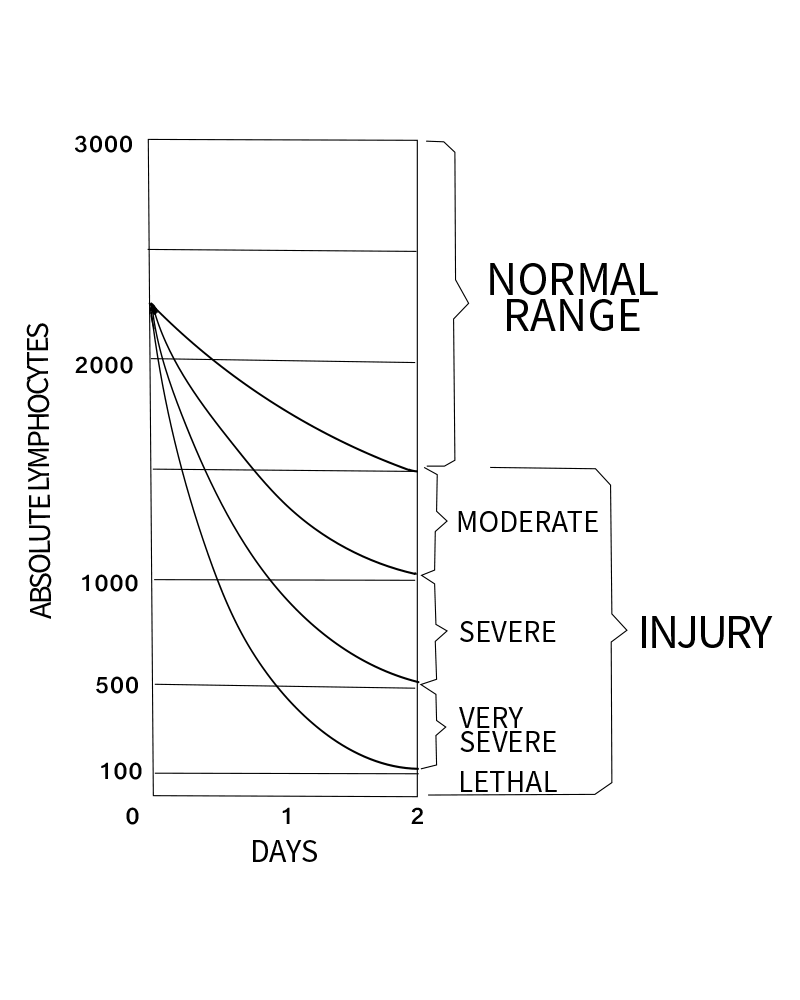
Acute radiation syndrome is challenging to diagnose because it presents with nonspecific signs and symptoms. After initial triage, other diagnostic tools can help with the diagnosis of acute radiation syndrome. Again, depending on the radiation dose, the prodromal phase may be delayed for several hours or days. However, the patient may appear healthy despite significant exposure, meaning they may already be in the latent phase upon evaluation. Therefore, it is important to monitor the patient’s blood counts by following these parameters closely:
After the initial patient triage and bloodwork is drawn, initial additional patient care measures include:
Andrews Lymphocyte Nomogram

Other care measures include:
For patients with any form of acute radiation syndrome, psychological support is warranted and is a critical component of the overall management of patients with acute radiation syndrome. The physical effects of radiation exposure, along with the fear and uncertainty surrounding their prognosis, can lead to significant emotional and psychological distress. Acute radiation syndrome can lead to increased anxiety, depression, panic, post-traumatic stress symptoms, as well as feelings of isolation or hopelessness (CDC, 2024a).
Acute radiation exposure to the skin can result in a cutaneous radiation injury (CRI). These types of injuries are common in individuals with a small area of exposure, especially if the radiation comes from beta or X-rays. However, more severe symptoms can also develop, as described above. In CRI, radiation results in the basal layer of the skin becoming damaged, causing symptoms like skin redness, itching, swelling, hair follicle damage, and desquamation (dry or moist shedding of the skin). Over time, the skin may blister, ulcerate, and redden, but eventually will heal. People with CRI who are exposed to higher radiation doses may have more permanent skin changes, like hair loss, atrophy, skin pigmentation changes, necrosis, and damaged sweat and sebaceous glands (CDC, 2024a; CDC, 2024e).
The timeline of stages for patients with CRIs resembles that of acute radiation syndrome, and includes:
CRIs are also classified into grades I through IV:
Treatment of CRIs is similar to that of thermal burns and acute radiation syndrome. Healthcare clinicians and providers must know the typical stages and grades of CRIs to manage and treat patients properly. Regardless of the provider's experience, consultation with a radiation specialist via the REAC/TS is necessary. Patients who do have symptoms do not require emergency care but will need close follow-up over many weeks. For patients presenting with radiation exposure and additional traumatic injuries, care measures like wound closure, covering the burns, fracture reduction, surgical stabilization, and other definitive treatments are provided within the first 48 hours post-injury. After this window, clinicians should delay surgical procedures until hematopoietic recovery is evident. The nurse or another healthcare professional should obtain a baseline CBC with differential, which is repeated at several intervals for trends. Additional treatment measures are outlined by the stage below:
Explosive agents or weapons are those that create an explosion. High-order explosives cause blast waves and injuries, while low-order explosives do not create a blast wave. An explosive is any material that undergoes a rapid chemical reaction, converting from a solid or liquid into a rapidly expanding gas. This reaction causes a sudden increase in atmospheric pressure, which pushes outward from the explosive device. The intense outward force generates a positive pressure wave, commonly referred to as a blast wave, which occurs almost instantaneously and can cause significant destruction to the surrounding area(s).
Consequently, a negative pressure wave also follows the blast. As the positive pressure dissipates, it creates a vacuum-like effect, which draws the surrounding air and objects back toward the blast site. This combination of explosive force and the dispersal of objects or fragments contributes to the devastating impact of explosive agents (U.S. Department of Defense, 2024).
Civilian medical providers may not encounter patients who are victims of explosions, simply because they are less common in the public. Explosives can cause mass casualties in seconds, overwhelming emergency services and healthcare systems that may not be equipped for the intensive triage and transport demands such events require. This often leads to a phenomenon known as “triage reversal” or “upside-down care.”
In triage reversal, the less severely injured (often referred to as the "walking wounded") often reach hospitals and emergency rooms first, bypassing overwhelmed first responders. Meanwhile, those with life-threatening injuries may be delayed in receiving care due to the healthcare system overload. This is not a failure of emergency medical services, but a logistical reality. Those individuals who are less injured are able to get themselves to the emergency room without emergency transport, which inadvertently floods nearby facilities and impedes the system’s ability to respond effectively. A coordinated, well-rehearsed local response, also known as reverse triage, is essential for managing this challenge and restoring order to care delivery.
Additionally, explosives are frequently used as dispersal mechanisms or vessels for other weapons of mass destruction. They can rupture chemical storage containers, release biological agents, or spread radioactive materials, which can contaminate the environment and endanger first responders and the public. For this reason, any area where an explosion occurred must be approached with caution and thoroughly treated and investigated. Therefore, understanding the full impact of explosives is crucial for an effective emergency medical response (Justice et al., 2025).
There are several types of blast injuries, which differ in their diagnosis and treatment. Therefore, these are divided into different sections and described in further detail below.
There are four major categories of blast injuries, ranging from primary to quaternary. These include:
Blast injuries are managed and treated according to the type of blast injury and the body part or system affected. Details about the management and treatment of the affected area are outlined below.
Lung blast injuries are one of the most common primary blast injuries that can result in patient mortality for those who survive the initial explosion. Pulmonary contusions are the most common lung injury, whereas “blast lung” is the most severe. Blast lung is often a fatal injury caused by the over-pressurization wave from a high-explosive blast, injuring the lung parenchyma. Symptoms are typically present during the initial medical evaluation but can be delayed, emerging up to 48 hours post-blast. Patients with lung blast injuries are also more likely to have additional injuries, like skull fractures, burns covering more than 10% of their bodies, and penetrating head and torso injuries.
Patients with lung blast injuries may present with symptoms such as dyspnea, chest pain, and a cough with bloody sputum. Pulmonary damage may range from scattered petechiae to extensive confluent hemorrhaging. Patients with the more severe injury of blast lung will often present with the classic triad of symptoms, including bradycardia, hypotension, and apnea.
Lung imaging via chest X-ray should be performed for anyone with primary blast injury. A hallmark sign of blast lung is the "butterfly" pattern seen on chest X-ray. For initial treatment, patients are placed on high-flow supplemental oxygen to aid with hypoxemia via a non-rebreather, continuous positive airway pressure (CPAP) device, or endotracheal (ET) tube. Patients with mild hypoxemia will need the least invasive form of supplemental oxygen delivery, whereas patients with severe hemoptysis or airway compromise will require intubation. However, providers should consider that positive pressure devices increase the likelihood of air embolism or alveolar rupture. Administration of IV fluids is also warranted for patients with lung blast injuries, but is used with caution to prevent volume overload.
For patients with a hemothorax or pneumothorax, a chest tube is placed to decompress the lung cavity. If blast lung is suspected, sometimes a prophylactic chest tube is placed to relieve lung pressure, especially for patients who may need general anesthesia or air transport. Health clinicians should monitor the patient for signs of air embolism, such as claudication, stroke, and myocardial infarction. If an air embolism is suspected, high-flow oxygen is administered, and the patient should be immediately placed in either the left lateral, prone, or semi-left lateral position. In addition, providers should transfer the patient to a facility that offers hyperbaric oxygen therapy. After the patient is initially stabilized, immediate transport to the appropriate facility via mass casualty protocols is necessary (CDC, 2012; Jorolemon et al., 2023).
The gastrointestinal tract is particularly susceptible to primary blast injuries, especially structures that are gas-filled, like the colon. However, solid organs can also be affected, resulting in injuries such as contusions and lacerations. Blast belly is a common term used for abdominal blast injuries causing abdominal hemorrhage or perforation (Jorolemon et al., 2023). Common primary blast injuries include immediate bowel perforation, hemorrhages, solid organ lacerations, and mesenteric shear injuries. Penetrating and blunt traumatic abdominal injuries are common with secondary and tertiary blast injuries, whereas crushing abdominal injuries are common with quaternary blast injuries. Children are more susceptible to abdominal blast injuries since their abdominal walls are smaller, more pliable, and thinner compared to adults.
Furthermore, children’s organs (i.e., liver and spleen) are proportionately larger when compared to adults, making these organs more vulnerable to injury. Interestingly, abdominal injuries are more severe with underwater blasts since the explosion radius is three times larger than that of an above-water explosion. This is primarily due to the fact that underwater waves propagate faster and lose less energy with distance when compared to blast waves traveling through the air.
Patients may present with a wide array of symptoms, ranging from abdominal, testicular, or rectal pain to nausea, vomiting, and hematemesis. Additional signs and symptoms are abdominal guarding, distention, tenderness, fever, and absent bowel sounds. Complications, like hypovolemia, hemorrhage, ischemia, and air embolism, can also develop quickly, so clinicians should remain diligent and thorough with their initial and ongoing assessment (CDC, 2012). Patients with intestinal perforation may present with delayed symptoms, up to 48 hours after the injury (Jorolemon et al., 2023).
For any patient suspected of an abdominal injury, prompt assessment and diagnostic evaluation are necessary. Initial assessment of patients with abdominal blast injuries entails following the ABC assessment and placing the patient on NPO (nothing by mouth or nil per os) status. If the patient is not receiving treatment at a trauma center, they should be stabilized and immediately transferred to a trauma facility. If the patient has any objects penetrating the abdomen, then these should not be removed. Instead, penetrating objects are removed in the operating room setting due to the increased risk of patient hemorrhage. Tests such as initial laboratory studies (e.g., CBC, complete metabolic panel [CMP], clotting factors) and radiological tests to detect free air, hemorrhaging, contusions, abscesses, and lacerations along the gastrointestinal tract are ordered. Serial abdominal exams, blood work, and imaging are also recommended to monitor the patient’s condition closely. Antibiotics and tetanus vaccination may also be administered to prevent or treat infection (CDC, 2012).
Blast injuries affecting the auditory system or ears are very common but can be easily missed. The severity of acoustic damage often depends on the position of the ear relative to the blast wave. Tympanic membrane perforation or rupture is the most frequent middle ear injury (Jorolemon et al., 2023; Pennardt, 2021).
Signs of ear trauma are typically evident during the initial assessment. Injury should be suspected in anyone with hearing loss, tinnitus, ear pain (otalgia), vertigo, bleeding from the external ear canal, a ruptured tympanic membrane, or mucopurulent discharge (otorrhea). These signs and symptoms will vary based on the portion of the ear affected, whether the tympanic membrane, or external, middle, or inner ear structures. All individuals exposed to a blast should undergo an otologic examination and audiometric testing as soon as possible. However, this is always performed after initial patient triage, assessment, and other life-saving measures are completed. Clinical presentation and initial treatment for each of these structures include:
It is vital to note that if a patient develops vestibular symptoms with any type of ear blast injury, referral to a neurologist is recommended for continued follow-up. In some cases, physical therapy for vestibular rehabilitation is helpful (Pennardt, 2021).
Blast injuries can cause damage to the eye, potentially rupturing the globe of the eye. Symptoms like eye pain, swelling, bleeding, blurred or reduced vision, or blindness may be present. There may also be swelling around the eye’s orbit, lacerations, or ecchymosis (Jorolemon et al., 2023). Other individuals may experience eye irritation or foreign body sensation, conjunctival hemorrhage, eye tearing, or have normal vision with minimal symptoms. Examples of minor eye injuries are conjunctivitis, superficial foreign bodies, and corneal abrasions, whereas more serious eye injuries are open globe injuries, including those that penetrate or perforate the cornea or sclera. Eyelid lacerations or orbital injuries also fall into the category of eye blast injuries. Serious non-penetrating eye injuries like hyphema, vitreous hemorrhage, retinal detachment, traumatic cataracts, and optic nerve injuries are possible as well.
During initial patient assessment, it should be assumed that the injury affects the globe of the eye. The clinician should not apply pressure to the eye or place an eye patch or bandage over the patient’s eye since it can cause further injury. An initial visual acuity exam should be performed for each eye, along with testing for light perception, hand motion, and counting fingers. If the patient cannot open their eyelids to complete the exam or if there is significant swelling, do not force their eyes open. The clinician should look for subtle signs of globe rupture or intraocular foreign bodies, like a misshapen pupil, conjunctival hemorrhage, and pigmented or gel-like tissue outside of the globe. If a patient has an eye blast injury of any type or is suspected of having one, immediate consultation with an ophthalmologist is necessary.
The ophthalmologist or emergency room provider may order diagnostic imaging to determine the extent of eye injury after an initial examination. A CT of the orbits can help identify foreign bodies. An MRI should not be initially ordered, as there may be metallic objects in the eye that could cause further injury if this test were performed. However, if it is confirmed that no metallic objects are present, then an MRI can be used to detect non-metallic foreign bodies in the eye, like wood or plastic.
An eye specialist removes any foreign bodies in the eye, as this requires a specialized technique and precision. For healthcare facilities that lack specialized ophthalmic operating room capabilities, patients should be transferred to another facility as soon as possible that offers this service. Other treatment measures to consider are administering a tetanus vaccine and administering IV broad-spectrum antibiotics (CDC, 2012).
Primary blast waves can lead to a concussion or traumatic brain injury (TBI), even without any direct impact on the head, which is sometimes referred to as blast brain. A blast brain is an injury to the parenchyma of the brain (the brain’s functional tissue, like the neurons and glial cells). It is essential to consider how close the individual was to the blast, particularly if they are experiencing symptoms. For patients with symptoms like headache, fatigue, amnesia, difficulty concentrating, lethargy, depression, anxiety, or insomnia, a blast brain injury should be considered (Jorolemon et al., 2023).
Since TBIs are possible, the following focuses on the management and treatment of this type of injury. If a patient presents with symptoms consistent with a TBI, the clinician should immediately conduct a comprehensive neurological examination. During the exam, close attention to the patient’s motor and sensory function, coordination and balance, mental status, mood and behavior, hearing, speech, and other cranial nerve tests is essential. The Glasgow Coma Scale can also be used to assess a patient’s eye opening, verbal response, and motor response. Clinicians should also quickly follow the ABC assessment to help stabilize the patient’s airway, breathing, and circulation, if necessary. Immediate consultation with a neurologist is warranted. If the patient is not located at a trauma center, then they should be stabilized and transferred as soon as possible.
Diagnostic imaging to assess the extent of the brain injury may include a CT or MRI of the brain. A brain CT shows brain structures and can be used to evaluate injuries like skull fractures, brain swelling, bleeding, or bruising. An MRI is more sensitive than a CT. However, an MRI is initially contraindicated until it can be determined that the patient has no metal in their body or metal objects from the blast.
Patients with a mild TBI may not require intervention. Their treatment may consist of bed rest and medications for symptom relief with close monitoring. Other medications, such as anticonvulsants to prevent or treat seizures, anticoagulants to reduce the likelihood of blood clots, diuretics to reduce intracranial pressure, and stimulants to increase alertness, may be ordered as well.
Patients with severe TBIs should be urgently stabilized to protect their vital organ function. They may require supplemental oxygen, airway management devices, and medications for hemodynamic stability. Devices to monitor the patient’s brain blood flow, intracranial pressure, brain temperature, and oxygen supply may be used. Some patients require emergency brain surgery to remove brain tissue or debris, repair skull fractures, or relieve intracranial pressure. Patients with severe TBIs require intense care from a multidisciplinary team and are admitted to the intensive care unit for close monitoring. Monitoring the patient’s neurological status and potential complications, such as infection, deep vein thrombosis, or increased intracranial pressure, is crucial (National Institute of Neurological Disorders and Stroke, 2025).
Blast from explosions can also cause injury to the extremities, with the most extreme being traumatic amputation. Primary blast injuries from the blast wind or wave can result in traumatic amputation through the bony shaft of a limb. Materials that become airborne during the explosion cause secondary blast injuries (penetrating trauma). Initial management includes consultation with an orthopedic surgeon since wound contamination requiring debridement and open fractures are possible. Contaminated wounds are irrigated with sterile saline and soaked with iodophor sponges and then dressed with bandages. The initial wound dressing is not removed until the patient undergoes surgery in an operating room for wound debridement. It is important to note that all open fractures are considered contaminated wounds. Assessing the affected extremity’s vascular, muscular, and neurological function is also essential.
Diagnostic radiographs or CT imaging of the extremity may be ordered to determine the extent of the injury or if foreign bodies are present. After initial evaluation and care measures are performed, fractures may be splinted to provide stability. Patients with extensive injuries (wound contamination or open fractures) will need surgery to debride wounds and stabilize the fractures. Patients with vascular injuries may need vascular grafts.
After initial operative management, patients with wound debridement may be on low-pressure pulsatile lavage to irrigate the wound and a vacuum wound dressing. Wound debridement is repeated every 24 to 72 hours until a stable soft tissue bed is obtained. Patients necessitating bony stabilization are placed on external fixation with secondary conversion to a plate or intramedullary fixation. Nurses and other healthcare clinicians must closely monitor the patient’s affected extremity(s), especially for complications such as compartment syndrome. Patients also need tetanus immunization (if indicated) and early antibiotic treatment to prevent wound infections (CDC, 2012).
Crush injuries and syndrome are a type of quaternary blast injury, resulting in tissue injury, organ dysfunction, and metabolic disturbances. The most common area of the body affected by crush injuries is the lower extremities, followed by the upper extremities and the trunk. Patients with crush injuries presenting with systemic symptoms or manifestations have developed crush syndrome (CDC, 2012). Crush syndrome is the consequence of muscle injury, resulting in rhabdomyolysis and then subsequently acute kidney injury (Haines & Doucet, 2023). Reperfusion syndrome is a condition that develops if the pressure is suddenly released from the affected area, which results in acute hypovolemia, metabolic disturbances, renal failure, and sometimes lethal cardiac arrhythmias (CDC, 2012).
Initial scene management of patients with crush injuries involves a primary assessment of the ABCs and implementation of supportive measures to maintain the patient's airway, breathing, and circulation. Before hospital transfer, patients with crush injuries should receive IV fluids without potassium before releasing the crushed extremity. If IV fluid administration is not possible, then a tourniquet may be applied. However, the use of a tourniquet should be reserved for controlling bleeding and used as a last resort (CDC, 2012; Haines & Doucet, 2023). Once the patient arrives at the hospital, IV fluids are administered to prevent hypotension and renal failure. Medications like sodium bicarbonate, calcium gluconate, insulin, and others may be given to prevent or treat metabolic abnormalities. Patients are closely monitored for changes in their cardiac rhythm (CDC, 2012). A metabolic panel and arterial blood gases are obtained, as well as urine myoglobin and creatine kinase to detect if the patient has developed rhabdomyolysis. Diagnostic imaging may also be necessary (e.g., X-rays, CT scans). Additional crush injury management and treatment depend on the area and extent of injury. Consultation and coordination of care from a multidisciplinary team is necessary, with specialties including, but not limited to, vascular, emergency, renal, orthopedic, and other relevant specialists (Haines & Doucet, 2023).
Traumatic incident stress or reactions can develop from any type of traumatic event or agent exposure. For most individuals, these stress reactions and symptoms resolve with time, but for some, they continue to have long-term symptoms and health implications. Within the first 6-12 months following the traumatic events, symptoms like fear, physical and somatic health problems, and sleep disturbances may occur. Conditions like depression, anxiety, adjustment disorders, complicated grief, and post-traumatic stress disorder (PTSD) may develop after a terrorist event or attack. People who experience traumatic events, especially events affecting a large number of people, will sometimes go through phases of traumatic stress reactions after the event:
PTSD is a mental health disorder that develops after a person has personally experienced or seen a life-threatening event. After a traumatic event, most people will experience short-term symptoms for a few weeks, but some will have symptoms for longer than a month. Symptoms may include:
Anyone can develop PTSD, but the four major categories for diagnosis of PTSD are:
If a healthcare professional notices a patient may have symptoms of PTSD or another stress reaction, then prompt referral to a mental health specialist is necessary. Treatment of PTSD encompasses various methods, since a single modality might not work for everyone. Trauma-focused psychotherapy and medications help to treat PTSD. There are three types of trauma-focused psychotherapy, and they usually last anywhere from 8-16 sessions. These include:
Medications may also be prescribed to help with PTSD symptoms, which include venlafaxine, sertraline, and paroxetine. Patients are closely monitored for side effects and therapeutic effects until symptoms begin to subside. Some people will also benefit from complementary therapies, such as massage, mindfulness, yoga, medication, acupuncture, and magnetic stimulation (National Center for PTSD, 2025).
A 34-year-old male presents to the emergency department. He is an international healthcare worker who recently returned from a humanitarian mission trip to Central Asia five days ago. He has no prior medical history and is up to date on his recommended vaccinations, as per the CDC guidelines. Hinae reports a high fever (103°F), malaise, and myalgias that started three days ago. Last night, a red and flat rash appeared on his chest and back, and today it has spread to his arms and legs. His vital signs upon intake are: temperature 102.8°F, heart rate 110 beats per minute, blood pressure 112/68 mmHg, respirations 20 breaths per minute, and oxygen saturation 99%. Upon assessment, he has several flat and red macular lesions on his body at the same stage of development. The healthcare provider suspects the patient may have smallpox.
What are the next steps in this patient’s care? What changes are expected with this person’s symptoms and skin lesions? What is the typical management and treatment for this patient? When can the patient be removed from precautions?
First, the healthcare member should place the patient on airborne precautions and place the patient in a negative-pressure room since smallpox is an airborne disease. Contact precautions may be implemented because smallpox can also spread through open lesions, like blisters. Although this patient has not yet developed blisters, they typically develop within the next few days. If a person were to come in contact with the fluid from the blister, they could potentially become infected with smallpox.
Next, the health professional notifies the proper authorities of the suspected case. They should notify the unit manager or another person currently overseeing the emergency department, as well as the local public health department. In some cases, the public health department notifies the CDC, but this depends on the hospital’s and local authorities’ procedures. If health officials recommend laboratory testing, blood samples are collected and sent immediately to the designated laboratory for testing. When entering the patient’s room, the nurse or another healthcare personnel should ensure they are wearing an N95 mask, gown, gloves, and other skin contact precautions. At the time, the hospital and public health authorities will initiate contact tracing. In this case, the most likely source of smallpox is the patient’s recent trip to Asia.
The lesions of smallpox develop about one to two days after symptom onset. This patient currently has flat and red lesions, which are expected to develop into painful, fluid-filled pustules over the next several days. Then, after a week or so, the blisters will begin to heal and scab over.
The management and treatment of this patient may include supportive care measures, such as administering IV fluids to address dehydration and antipyretics to manage fever. Since this patient is experiencing myalgias and will begin to develop more painful lesions over the next several days, pain medications may also be administered. The patient’s vital signs should be frequently monitored, especially their temperature, as they have a fever. As the scabs heal and separate, the person is considered no longer contagious.
Early recognition of this patient’s symptoms, quick isolation, and notification of public health authorities were essential in managing this patient’s care. The case study emphasizes the importance of maintaining vigilance and awareness of eradicated diseases, given their high risk of biological threats and highly contagious nature.
Mass causality events or incidents are not always those that involve acts of terrorism or weapons of mass destruction. Instead, these are any type of event that can overwhelm the health care system, public health services, and infrastructure due to a lack of resources for people who are injured. Pandemics (i.e., influenza and COVID-19 pandemics), transportation accidents, and natural disasters, such as earthquakes, hurricanes, and floods, are considered mass casualty incidents depending on the number of people affected or injured by the event.
An important strategy to help mitigate the effects of mass casualty incidents (i.e., surges in patient care and dwindling resources) is triage. Triage is derived from the French term “trier,” or to sort. Trier was commonly used in the Napoleonic battlefields to sort wounded soldiers (Yancey & O’Rourke, 2023). Triage is a process that involves sorting or prioritizing patients based on the severity of their injuries, medical needs, survivability, and the resources available. It can be used by any healthcare professional during a mass casualty incident, including those in the field (i.e., first responders) and within the hospital. While healthcare professionals routinely assess their patients, determine interventions, and next steps, triage uses a systematic or population-based approach to achieve the greatest good for the greatest number of individuals. There are four overarching principles that guide triage, which include:
There are numerous triage strategies across multiple disciplines and specialties that healthcare professionals should be aware of and familiar with. Many triage systems utilize color-coding categories to ensure uniform patient assessment and prioritization among healthcare professionals and during communication and transfers. Field triage, which typically involves first responders, encompasses methods such as Simple Triage and Rapid Treatment (START), Sort, Assess, Lifesaving Interventions, Treatment, and Transport (SALT), JumpSTART, CareFlight Triage, and Triage Sieve and Sort (Alpert & Kohn, 2023).
Many other triage strategies can be used during mass casualty events. The different methods depend on the providers’ training and local government or hospital training and protocols. For example, the Triage Early Warning Score (TEWS) is often used by emergency departments to assess patient deterioration. In contrast, the Tactical Combat Casualty Care (TCCC) is commonly used by the military during combat or active shooter environments.
Hospital supplies can dwindle or fluctuate quickly at any time, but especially during a mass casualty event or natural disaster. When hospitals exceed their demand for supplies or other resources, such as healthcare staff, they must reevaluate and reassign resources appropriately and in a timely manner. Most hospitals or large health systems should be able to maintain their supply and available resources for up to 96 hours without requiring external support or additional resources. However, during large traumatic or mass casualty events, the health systems’ supply of resources may dwindle quickly, prompting the need for external support. Thus, there are many strategies that health systems can implement when resources and supplies are in short supply.
The main goal of reverse triage is to increase supplies and treatment capacity to those who are critically injured and reduce the greatest number of patient deaths by clearing resources (i.e., discharging patients at low risk). This method is the opposite of traditional triage, which prioritizes patients based on their highest acuity. Conversely, reverse triage involves making resources available for incoming patients. For example, a hospital is full of 100 patients and has a mass casualty event happening in the surrounding area. Local authorities anticipate that 30 new patients will need emergency services at the hospital. The hospital decides to implement reverse triage by safely discharging 30 low-risk patients who are currently admitted to make room for the 30 new patients from the disaster.
When reverse triage is an effective strategy to implement during natural disasters and events that can harm many individuals, there are some ethical and clinical considerations to follow. Some of these include:
As mentioned, reverse triage involves a standardized system of scoring tools to help classify and risk-stratify patients who are hospitalized to determine whether they are safe for discharge or should remain inpatients. The system is a 5-point scale, where patients at the lowest risk for harm upon discharge receive a score of 1 and the highest risk receive a score of 5. Below are inpatient scores:
Once each patient is assigned a score, appropriate measures are taken to either discharge or transfer the patient, if necessary. This method frees up space within the healthcare facility or hospital to receive and admit patients with more severe injuries or medical conditions. Patients who are discharged should be reminded to return if they have worsening symptoms or their condition does not improve. Unfortunately, patients who are discharged may develop complications, and some may return to the emergency department, which can further strain resources. Some reports suggest that patients who return have a higher likelihood of hospital admission and require longer treatment (Justice et al., 2025).
Some research suggests that reverse triage helps free up 10% to 20% of a healthcare facility’s total bed capacity within about 2-6 hours. However, it takes about 24 to 48 hours to see the full effects of reverse triage within a healthcare facility. For pediatric care facilities, reverse triage frees up about 10% to 13% of the total bed capacity. Before implementing reverse triage, healthcare administrators must consider several key factors, including the level of risk the health system is willing to accept when discharging patients, total bed capacity, and the availability of inpatient and outpatient resources (Justice et al., 2025).
Patient decontamination is a crucial component of triage and infection prevention. Patient decontamination entails a systematic process of removing and neutralizing hazardous substances on the patient’s body. This process is essential during mass casualty events involving agents such as chemical agents, radiation, pathogens, or biological materials. Therefore, if a patient is exposed to specific agents, decontamination procedures must be followed. Determining the type of agent to which the patient was exposed is paramount, as this guides decontamination procedures. There are two types of decontamination, including dry and wet. Again, the type of agent guides whether dry or wet decontamination procedures are followed, since some chemicals interact with water and can cause more harm to the patient if mixed.
Patient decontamination usually begins with removing the patient’s clothing, which can eliminate about 50% to 70% of contaminants. Removing outer clothing is the most effective way to limit further contamination or absorption. When removing the patient’s clothing, it is important to respect the patient’s privacy. During clothing removal, the healthcare member should close the bedside curtains, keep the patient covered with a bed sheet or blanket, and provide disposable clothing for them to change into. If the patient is unconscious, privacy is still expected, and the patient can be placed in a gown. Healthcare personnel should also remove any jewelry, watches, belts, or other items from the patient’s body. These should be placed in a secure container (e.g., plastic bag) and labeled with the patient’s information. The contaminated clothing should be placed in an impermeable container or bag to prevent further contamination of the surrounding environment. In addition, if the patient wears contact lenses or has any piercings, they should be removed. If the patient is unconscious, their eyes should be inspected for contact lenses, and again, these should be immediately removed.
Next, any apparent material is carefully removed from the patient’s skin. Using a soft brush or cloth can help gently remove the material. Sometimes, a medical-grade hand-held vacuum can also be used, if available. At this point, the healthcare team should determine whether dry or wet decontamination is the most appropriate approach. Dry decontamination is performed using a wide array of absorptive materials, ranging from Fuller’s earth to paper towels. Other commercial absorbents may be used, like activated charcoal or talcum powder. It is important to note that all materials used during dry decontamination are considered hazardous waste and should be disposed of properly. In addition, dry decontamination procedures combined with wet decontamination (if indicated) have been shown to be more effective than wet irrigation alone.
During wet decontamination, the patient’s body is irrigated with water. Adding a mild soap or other detergent that does not interact with the offending agent can help reduce toxicity and further absorption.
Patient decontamination procedures following radiation exposure are similar to those used for standard decontamination procedures involving other chemical and biological agents. Again, patient clothing is first removed, starting from their head and working down towards their feet. All clothing is placed in the appropriate airtight container or bag, ensuring that a radiation warning label is visible on the outside. After all clothing is removed, the healthcare provider performs an initial patient assessment or whole body survey using a specific method or pattern. Radiation detection or survey devices are used to assess radiation levels, and areas with high skin radiation are marked with a felt-tip marker. Body survey results are correlated and documented on a body diagram.
After the whole body survey, other decontamination measures are taken in a particular order. So next radioactive shrapnel is decontaminated, then open wounds, which is followed by body cavities or orifices, and then localized contaminated skin. The patient is rinsed with tepid water and mild soap with a neutral pH. It is imperative to use tepid water, as cold water can trap radioactive contaminants in the skin’s pores, and hot water can enhance absorption. While rinsing the patient, water should be directed away from their skin to avoid recontamination. After the first decontamination cycle, another whole body survey is completed, and the process is repeated. The goal is to have the patient’s radiation levels below a certain threshold. Some additional special considerations for radiation decontamination include:
Please note that this list is not exhaustive. Specific information regarding other decontamination measures can be found on the U.S. Department of Health and Human Services website.
A patient arrives via emergency medical services at a hospital’s emergency room. They are conscious and were a victim of a large chemical spill in their workplace. What elements should the healthcare member determine before initiating decontamination procedures?
First, the healthcare provider should determine the type of chemical agent to which the patient was exposed and the necessary precautions for transmission. The first responders may report the type of chemical agent and provide any information they received from the patient’s workplace. Transmission precaution information can be found on Material Safety Data Sheets (MSDS) or by looking up the CDC guidelines for each chemical agent online. This information can also guide the type of decontamination that is appropriate for the offending agent (i.e., dry or wet) and the safe solutions for washing the patient. Other factors to consider include the patient’s stability and the time since exposure.
Next, the provider should assess the patient to determine the extent of their injuries and level of consciousness. Almost simultaneously, the patient’s clothing, jewelry, and any other items are removed from the patient’s body. During clothing removal, privacy measures are provided by closing the curtain, covering the patient with sheets, and providing disposable clothing for them to wear after decontamination. The healthcare member should also consider the patient’s cultural practices before asking them to disrobe. Since this patient is conscious, the health provider can ask the patient if they wear contact lenses and, if so, to remove them.
According to the MSDS sheets, it is determined that the chemical agent is safe for decontamination with water. What decontamination procedures should be implemented for this patient?
After clothing removal, the patient’s clothing is placed in an airtight disposable bag for proper disposal. Dry decontamination procedures should begin at this time. First, large areas where the chemical is still visible should be absorbed by blotting the skin with dry paper towels or a cloth. If there is any debris, it is gently scrubbed off with a cloth or brush, with careful attention to not cause abrasions to the skin. Other dry decontamination materials, like Fuller’s earth or talcum powder, may be used to help maximize chemical absorption from the skin. Once dry contamination is complete, wet contamination may be performed. Since this chemical agent does not react with water, it is safe to wash the patient’s skin with water gently for no more than 90 seconds. Mild soaps may be mixed with the water to reduce chemical absorption through the skin. After decontamination, the patient may wear their disposable clothing or gown.
Early recognition of the offending agent and understanding transmission and proper decontamination procedures were essential in managing this patient’s initial care. The case study emphasizes the importance of maintaining awareness of decontamination resources and procedures.
At any point, mass casualty events can overwhelm hospitals and healthcare facilities. Therefore, practicing emergency preparedness procedures and understanding emergency management protocols is essential. Preparedness involves implementing institutional protocols, training staff, coordinating resources, and allocating them appropriately. It entails practicing efficient patient triage, patient stabilization, and resource allocation to prepare for a potential mass casualty event.
The healthcare industry utilizes the Healthcare Incident Command System (HICS) to establish emergency preparedness training and responses. HICS has five primary functions, including command, planning, logistics, operations, and finance staff. Staff in these five categories have specific functions for emergency preparedness, which are:
Most hospitals and health organizations that provide direct patient care must meet The Joint Commission standards for accreditation. As an accreditation requirement, The Joint Commission requires that healthcare systems have an Emergency Management program. This Emergency Management program must encompass four areas, including:
Emergency preparedness entails large-scale planning and coordination for disasters, including acts of terrorism and mass casualty events. There are three stages of emergency preparedness: emergency planning, emergency response, and salvage and recovery. Each stage involves various items to be addressed, which are described below:
Although healthcare systems have emergency management programs, FEMA also plays a role in controlling emergency preparedness and management at the local, regional, and national levels (Puryear & Gnugnoli, 2023).
Emergency preparedness simulations are structured training exercises that are designed to test and improve a health organization’s response to various emergencies and disasters. These simulations are critical for healthcare institutions, public health agencies, emergency responders, and government organizations to assess emergency preparedness readiness, identify gaps, and improve coordination and resource allocation. Training simulations are essential components of preparedness planning, especially for natural disasters, mass casualty incidents, and bioterrorism threats, which continue to challenge health systems.
The primary goal of emergency preparedness simulations is to practice realistic scenarios that mimic potential disasters in a controlled environment. These exercises help healthcare professionals and teams practice their roles, make informed decisions, and assess the healthcare system’s operational capabilities. According to the WHO, simulation exercises are crucial for evaluating emergency preparedness plans and enhancing staff and resource coordination. In addition, simulations can help to clarify the chain of command, familiarize healthcare staff with new functions and equipment, and assess interoperability between an emergency plan and procedures (WHO, 2025).
There are several types of emergency preparedness simulations, each varying in complexity and purpose, which include (FEMA, n.d.):
Simulation training improves teamwork, communication, and clinical decision-making. While beneficial, emergency preparedness simulations require time, personnel, and financial resources. Conducting realistic full-scale exercises may disrupt health system operations and can involve risk if not carefully managed. Furthermore, the effectiveness of simulation exercises depends on the realism of the scenario, the engagement of participants, and thorough after-action reviews.
Technology also plays an increasingly significant role in simulation, including the use of virtual reality, augmented reality, and computerized mannequins to create immersive and high-fidelity training environments. These technologies can make simulations more accessible, scalable, and practical, particularly in remote or resource-limited settings (Mahdi et al., 2023).
The National Disaster Medical System (NDMS) is a branch of the Administration for Strategic Preparedness and Response that was created to provide additional resources to local communities when they are overwhelmed during a mass casualty event or another disaster. It was initially established in response to catastrophic casualties, and since then, it has been rebuilt to assist state and local authorities with major disasters. They provide resources, including supplies, transportation, and personnel who deliver medical care. Location and distribution of resources are supported by the military, the Department of Veterans Affairs, and FEMA. If an event occurs, any state can activate the NDMS, and a response is immediately initiated, allowing teams to travel anywhere within the nation within a few hours. Additionally, they can assist with locating additional resources, facilitating evacuations, and coordinating patient care and transportation.
Examples of specialized teams that can be deployed include the National Disaster Medical Assistance Teams, Disaster Mortuary Operational Response Teams, and Veterinary Medical Assistance Teams. These teams are composed of trained disaster response professionals, like physicians, nurses, paramedics, first responders, logisticians, and others. In addition to emergency response, the NDMS supports disaster planning and preparedness, such as training exercises and healthcare system preparedness strategies. Overall, NDMS improves the country’s ability to respond to and recover from disasters and mass casualty events quickly and effectively by bridging the gap between local medical resources and federal capabilities (Administration of Strategic Preparedness & Response, n.d.).
A vital component of emergency preparedness is the Strategic National Stockpile (SNS), which is managed by the U.S. Department of Health and Human Services, the CDC, and the Administration for Strategic Preparedness and Response. The Stockpile helps to secure and ensure that life-saving countermeasures are available when necessary. The SNS maintains and disperses a broad array of inventory, ranging from medical supplies to equipment. Examples of life-saving countermeasures kept for the SNS are medical supplies, devices (i.e., respiratory support devices and ventilators), equipment, PPE, and medicines (i.e., antidotes, vaccines, antibiotics, antivirals, and antitoxins).
The SNS was initially established in 1999 and was known as the National Pharmaceutical Stockpile. Its original intent was to serve as a national repository for antibiotics, antidotes, vaccines, and medical supplies needed for response to medical outbreaks, like anthrax and smallpox. Over the past several decades, the stockpile has evolved into a more comprehensive emergency preparedness supply that supports local, state, and national public health systems when supplies are insufficient. In 2003, the stockpile was renamed to its current name.
During an emergency response, the SNS can send 12-hour Push Packages, which are pre-packed items that account for less than 5% of the inventory. As the name implies, these Push Packages are designed to be delivered to any location in the nation within 12 hours of the decision to deploy them. Items in a 12-hour Push Package range from antibiotics and IV fluids to airway equipment and bandages. If more supplies are needed, they can be shipped as needed to meet the emergency's needs, but they may not be delivered within a 12-hour time period. Therefore, Push Packages help reduce the large gap in medical supply shortages, at least temporarily, until the larger supply shipment arrives.
Effective use of the SNS requires careful coordination between government agencies and healthcare facilities. Thus, the CDC and the Administration of Strategic Preparedness & Response work closely with local and state public health departments and officials to develop emergency preparedness plans, provide training, staging, and allocate resources in a timely manner (REMM, 2025e).
An example of the use of the SNS occurred during the COVID-19 pandemic, where massive amounts of PPE, especially N95 masks, were being utilized. There was also a lack of ventilators and medications for treatment across the nation. While SNS measures were quickly deployed, there was still a shortage of PPE. This highlighted the gap in insufficient inventory levels, thus prompting a review and revision of supply inventory. Although some gaps were identified, the SNS remains an indispensable resource for national homeland security and emergency preparedness and response. The SNS is vital during emergencies and crisis management, and it helps to maintain public trust in healthcare resources.
The U.S. has several surveillance and reporting procedures for acts of terrorism that involve biological agents. All healthcare providers must be equipped to recognize and respond to potential acts of bioterrorism at the local level. The first step involves understanding the patterns within their typical patient population and general health in the area. A noticeable deviation from these norms, such as an unusual cluster of symptoms or illnesses, should raise suspicion and prompt further investigation. Clinicians must then assess whether the event is the result of an intentional act (e.g., terrorism), an unintentional incident (e.g., accidental release from a laboratory), or a naturally occurring outbreak. Health professionals should be aware of the signs and symptoms of various agents (e.g., biological, chemical, etc.). In addition, clinical features to pay close attention to are:
Other professions outside of the hospital, such as pharmacists and health clinics, should also pay close attention to sudden increases in sick visits and purchases of over-the-counter medications. If any health professional suspects an outbreak, they should alert public health officials through the appropriate channels, like their state or local health department or the CDC (Williams et al., 2023).
There are specific procedures and programs designed to aid in early detection, rapid response, and containment of bioterrorism-related events. These procedures integrate public health, emergency, and law enforcement services. Some of these surveillance and reporting systems include:
Information about these surveillance and reporting networks is provided below.
Syndromic surveillance identifies patterns in individuals who seek treatment by analyzing de-identified data from medical facilities. Data collected includes the chief concern, patient characteristics, diagnosis codes, and their geographic location. This data from medical facilities is transmitted to state and local health departments or data aggregators. This data is then transmitted to the National Syndromic Surveillance Program (NSSP) via the Biosense Platform. This data is usually available for analysis by the NSSP within 24 hours of a person’s visit to the emergency department, and 80% of emergency departments send their data to the NSSP. According to the CDC, the NSSP has more than 6,900 healthcare facilities across the U.S., spanning 50 states, Guam, and the District of Columbia. Furthermore, the NSSP receives more than 9.6 million messages per day regarding health data.
The NSSP integrates data from multiple sources to inform decision-making. According to the CDC’s website, the NSSP uses sources from emergency departments, other health care facilities, commercial laboratories, and mortality data. The system also collects data from the Department of Defense and Veterans Affairs U.S.-based medical centers, the Administration for Strategic Preparedness and Response Disaster Medical Assistance Teams, National Weather Service, National Notifiable Disease (in staging), and AirNow (air quality) data (CDC, 2025d).
The U.S. Department of Homeland Security established the BioWatch Program in April 2003. This program provides early warning of potential bioterrorist attacks to over 30 major metropolitan areas across the U.S., aiming to minimize the catastrophic effects of such attacks.
Currently, the Department of Homeland Security is working to upgrade bio-detection technology to address a wide array of biological threats better. They also aim to provide real-time data across the Homeland Security organization and enhance information sharing among federal, state, and local operators (U.S. Department of Homeland Security, 2024a).
The NTAS is a communication tool used by the U.S. Department of Homeland Security to provide timely and detailed information about terrorist threats. This information is sent to the government agencies, first responders, public health organizations, transportation hubs (including airports), and the general public. The NTAS provides a summary of the threat and information about which actions are being taken to ensure public safety. In addition, these advisories entail recommendations or steps that people or local authorities can take to mitigate or respond to the threat. There are two types of NTAS advisories, which include bulletins and alerts.
The NTAS empowers U.S. citizens, organizations, and authorities with accurate, actionable information, which enhances public preparedness and resilience against terrorist threats (U.S. Department of Homeland Security, 2022b).
The HAN is the CDC's system for disseminating timely and reliable information about urgent public health incidents. This network serves as a critical communication platform, connecting health professionals, including clinicians, laboratories, and public health officials, at the federal, state, territorial, tribal, and local levels across the U.S.
Any health professional can enroll in the HAN by signing up with their email address via the CDC’s website to receive alerts. The CDC also provides information service (called Info Service) updates through the HAN, which provides general public health information (CDC, 2025c).
The state of Nevada also has a health alert network, known as the Nevada Health Alert Network (NVHAN). This network is administered by the Division of Public and Behavioral Health (DPBH) of the state of Nevada, in collaboration with the Public Health Preparedness Program (PHP), through a program called EMResource. EMResource is used by each hospital located within the state and delivers important public health messages. In addition to state-level public health alerts, the NVHAN also relays health information from the CDC, as well as other local agencies. Nevada shares information with surrounding states, including Colorado, Idaho, California, New Mexico, Oregon, and Arizona (Department of Human Services Nevada Division of Public and Behavioral Health, 2021).
Bioterrorism and weapons of mass destruction come in various forms, which can potentially cause mass casualties. Therefore, healthcare professionals must be knowledgeable about recognizing the signs and symptoms of these exposures and procedures. Over the past decade, the U.S. healthcare industry has faced multiple mass casualty events, which have strained the health system. The potential use of these hazardous agents in our communication necessitates a heightened awareness of emergency preparedness and triage. Understanding the types of injuries that may result from various destructive agents, including chemical, biological, radioactive, nuclear, and explosive, enables healthcare and rescue personnel to manage emergencies efficiently and effectively. Early triage of patients has a significant impact on the success of overall care efforts. All healthcare members involved in large-scale emergencies must understand the concept of triage and how to contribute to timely and effective patient care. Last, alerting the appropriate channels or authorities during emergencies can lead to prompt response and resource allocation.
CEUFast, Inc. is committed to furthering diversity, equity, and inclusion (DEI). While reflecting on this course content, CEUFast, Inc. would like you to consider your individual perspective and question your own biases. Remember, implicit bias is a form of bias that impacts our practice as healthcare professionals. Implicit bias occurs when we have automatic prejudices, judgments, and/or a general attitude towards a person or a group of people based on associated stereotypes we have formed over time. These automatic thoughts occur without our conscious knowledge and without our intentional desire to discriminate. The concern with implicit bias is that this can impact our actions and decisions with our workplace leadership, colleagues, and even our patients. While it is our universal goal to treat everyone equally, our implicit biases can influence our interactions, assessments, communication, prioritization, and decision-making concerning patients, which can ultimately adversely impact health outcomes. It is important to keep this in mind in order to intentionally work to self-identify our own risk areas where our implicit biases might influence our behaviors. Together, we can cease perpetuating stereotypes and remind each other to remain mindful to help avoid reacting according to biases that are contrary to our conscious beliefs and values.