≥ 92% of participants will know how to recognize and manage common skin conditions.

CEUFast, Inc. is accredited as a provider of nursing continuing professional development by the American Nurses Credentialing Center's Commission on Accreditation. ANCC Provider number #P0274.
≥ 92% of participants will know how to recognize and manage common skin conditions.
After completing this continuing education course, the participant will be able to:
The skin is the largest organ of the human body and plays an essential role in protecting internal systems, regulating body temperature, and facilitating sensory input. Composed of the epidermis, dermis, and subcutaneous tissue, it serves as the first line of defense against environmental threats, including microbes, allergens, and ultraviolet radiation. Its function extends beyond physical protection to include immune surveillance, fluid retention, and thermoregulation (Gupta & Lipner, 2021).
Skin conditions are among the most frequent complaints in primary care and urgent care settings. Disorders such as acne, eczema, fungal infections, and bacterial skin infections affect individuals across all age groups. According to the American Academy of Dermatology (2025), approximately one-third of the U.S. population is affected by a skin disease at any given time. These conditions range in severity from minor irritations to complex, chronic illnesses that can significantly impair a patient's physical and emotional well-being.
Accurate diagnosis of skin disorders relies heavily on the clinician's ability to assess lesion morphology, distribution, and patient history. Common lesion types include macules, papules, vesicles, pustules, and plaques, each of which may suggest a different underlying pathology. Understanding the clinical presentation of these lesions allows nurse practitioners and other advanced practice providers to identify conditions early and implement appropriate interventions (Dinulos, 2020).
Prompt treatment is especially important in preventing complications. For example, diaper dermatitis in infants can lead to secondary fungal infections if not addressed quickly (Oakley, 2017). In adult patients, untreated bacterial infections such as those caused by methicillin-resistant Staphylococcus aureus can result in cellulitis or systemic infection, requiring hospitalization. Some skin findings, such as the malar rash seen in lupus or the velvety skin changes in acanthosis nigricans, may also serve as early indicators of systemic disease.
Healthcare providers play a vital role in identifying and managing dermatologic conditions in both pediatric and adult populations. A strong foundation in dermatology enables clinicians to reduce disease burden through early detection, patient education, and evidence-based treatment. Continuing education focused on skin conditions equips providers with the tools to deliver high-quality, informed care that improves outcomes and enhances patients' quality of life.
Accurate assessment and classification of skin lesions are fundamental skills for healthcare providers. A comprehensive dermatologic assessment requires both visual and tactile evaluation, as well as an understanding of lesion morphology, distribution, and associated systemic signs. Identifying the type, configuration, and evolution of lesions allows clinicians to narrow the differential diagnosis and determine the most appropriate course of treatment (Dinulos, 2020).
Lesions are typically categorized as either primary or secondary. Primary lesions arise from previously normal skin (Shetty et al., 2022) and include macules, papules, nodules, plaques, vesicles, bullae, pustules, wheals, and cysts. Each type has distinct characteristics. For instance, a macule is a flat, non-palpable discoloration under 1 centimeter (cm) in diameter, whereas a papule is a small, raised lesion. Vesicles and bullae are fluid-filled, with vesicles being smaller than 1 cm and bullae exceeding that size. Pustules contain purulent fluid and are commonly associated with infections or inflammatory conditions like acne or impetigo.
Secondary lesions develop from the evolution of primary lesions or from external manipulation such as scratching or infection (Shetty et al., 2022). These include scales, crusts, erosions, ulcers, fissures, scars, excoriations, and lichenification. For example, lichenification is the thickening of the skin with exaggeration of normal skin markings, often seen in chronic eczema as a result of repetitive scratching. The identification of secondary changes can offer valuable insight into the chronicity and severity of a condition.
In addition to morphology, the distribution and pattern of lesions provide critical diagnostic clues. Lesions with an annular (ring-shaped) pattern may suggest tinea corporis or erythema multiforme, while linear lesions can result from contact dermatitis due to exposure to an irritant in a specific shape or path.
A thorough skin assessment should also include a review of systemic symptoms such as fever, fatigue, or joint pain, which may suggest an underlying autoimmune or infectious etiology. Patient history, including recent exposures, medications, travel, and personal or family history of skin disorders, further supports accurate clinical decision-making. In cases of diagnostic uncertainty, advanced diagnostic tools such as dermoscopy, skin scrapings, or biopsy may be warranted.
Ultimately, structured skin assessments—conducted with attention to lesion type, distribution, evolution, and systemic context—enable providers to deliver timely and effective care. Early recognition and classification of skin lesions not only improves diagnostic accuracy but also facilitates targeted treatment and reduces unnecessary referrals or complications.
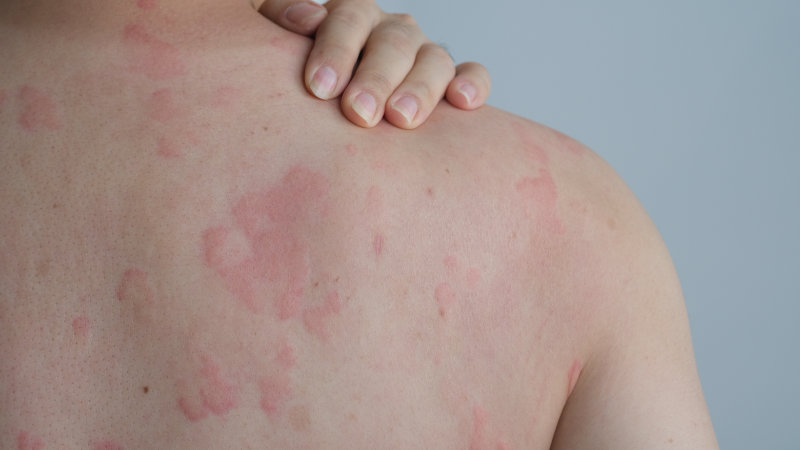
Urticaria, or hives, is a common dermatologic condition affecting approximately 20% of individuals at some point in their lives (Powell et al., 2015). It manifests as transient, erythematous wheals that are intensely pruritic and often blanchable. Lesions typically resolve within 24 hours but may recur, especially in chronic urticaria, which persists for six weeks or longer. Triggers can include foods, medications (e.g., nonsteroidal anti-inflammatory drugs [NSAIDs], antibiotics), insect stings, infections, or autoimmune processes. Treatment involves identifying and eliminating the trigger, if known, and initiating pharmacological management. Second-generation H1 antihistamines (e.g., cetirizine, loratadine) are the first-line agents due to their reduced sedation profile (Schettini et al., 2023). For refractory cases, omalizumab or immunosuppressive agents such as cyclosporine may be used. Educating patients on trigger avoidance and stress reduction is essential for long-term control.
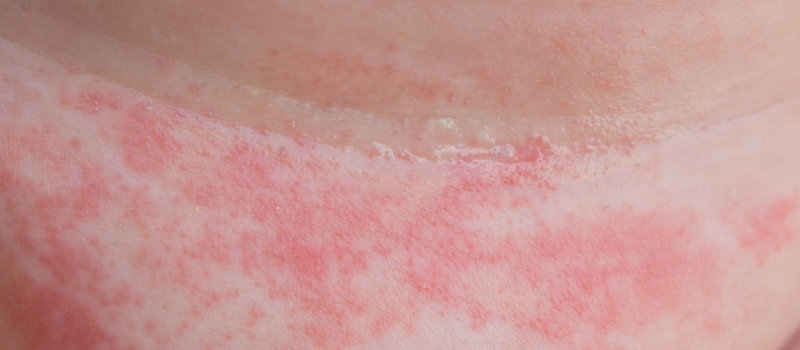
Diaper dermatitis affects up to 35% of infants at some point, with Candida albicans overgrowth contributing to many persistent or treatment-resistant cases (Benitez Ojeda & Mendez, 2023).
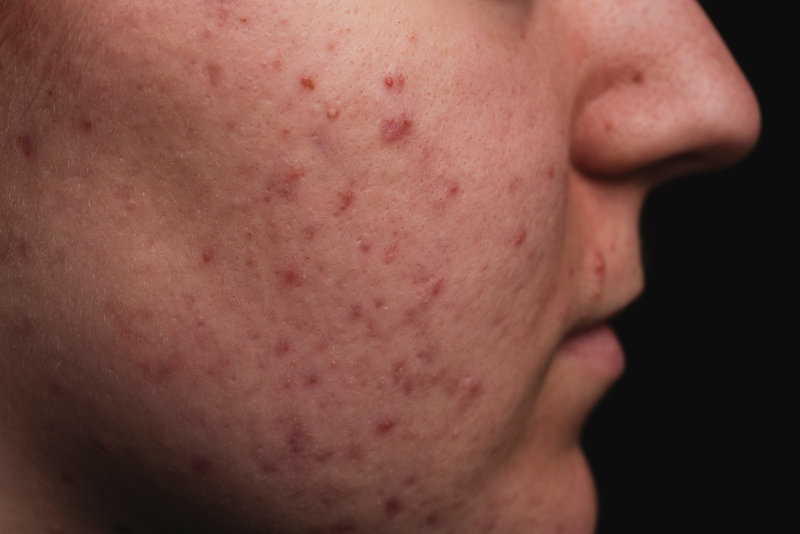
Acne vulgaris is the most common skin condition in adolescents, affecting nearly 85% of individuals aged 12 to 24 years (Zaenglein et al., 2016). It is a multifactorial disorder involving increased sebum production, follicular hyperkeratinization, Cutibacterium acnes colonization, and inflammation.
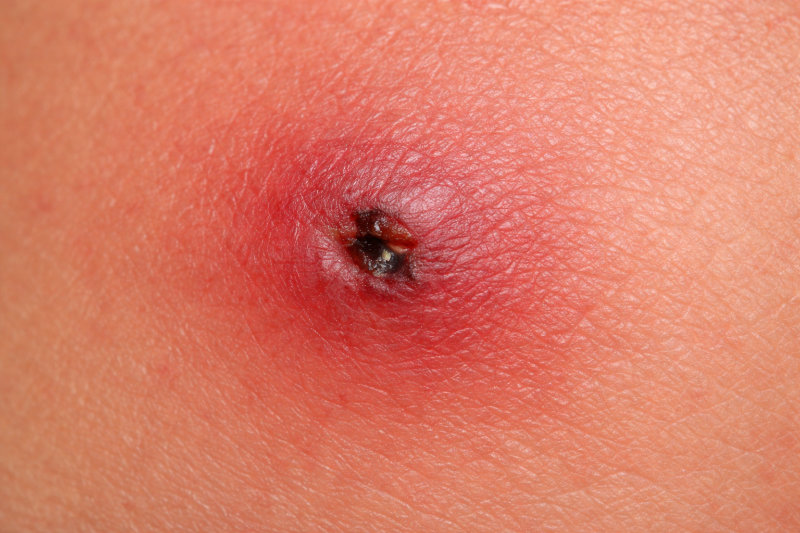
Community-acquired methicillin-resistant Staphylococcus aureus (CA-MRSA) is a significant cause of skin and soft tissue infections, accounting for many infections seen in U.S. emergency departments (Loewen et al., 2017). It often presents as painful, red, swollen lesions resembling spider bites, abscesses, or cellulitis. Risk factors include crowding, poor hygiene, skin trauma, and participation in contact sports. Incision and drainage (I&D) remain the primary treatment for uncomplicated abscesses.
Tinea corporis is a superficial dermatophyte infection of the skin, primarily caused by Trichophyton rubrum, and is especially common in children and athletes. Its prevalence varies by region but can affect up to 30% of the population in some tropical and subtropical areas, particularly where heat and humidity promote fungal growth (Yee et al., 2025). Tinea corporis presents as annular lesions with central clearing, scaly raised borders, and mild pruritus. Diagnosis is clinical but may be confirmed by KOH examination or fungal culture.
Scabies, caused by the mite Sarcoptes scabiei, is a highly contagious parasitic infestation affecting people across all age groups and socioeconomic levels. Globally, scabies is estimated to affect more than 200 million people at any given time and over 400 million individuals annually, underscoring its significant public health burden (World Health Organization [WHO], n.d.).
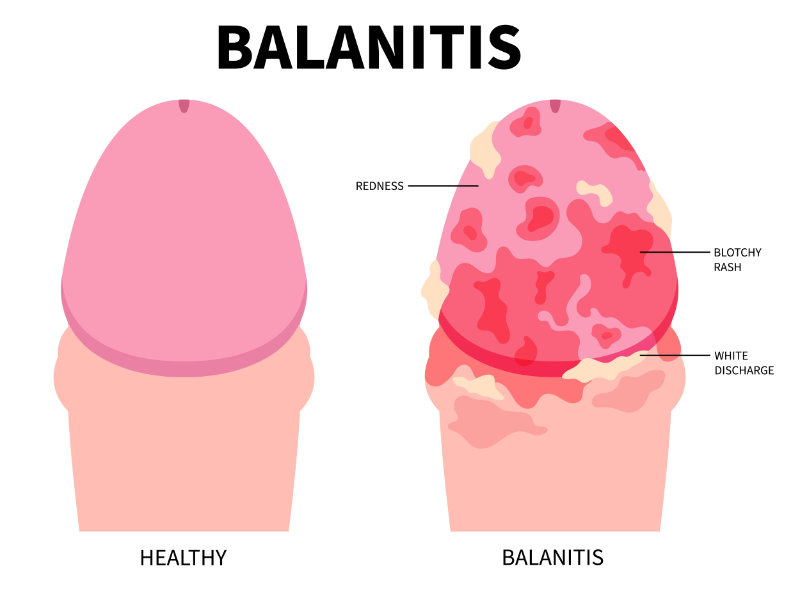
Balanitis is the inflammation of the glans penis and is most common among uncircumcised males. Current literature estimates that balanitis affects approximately 3% to 11% of men, with a notably higher prevalence in those who are uncircumcised due to the warm, moist conditions under the foreskin that promote microbial growth (Leber, 2025). Symptoms typically include erythema, edema, discharge, and irritation—often stemming from poor hygiene, exposure to irritants, or infections such as Candida albicans. Diagnosis is typically clinical. Treatment is tailored to the specific cause: antifungal creams for candidal balanitis, topical antibiotics for bacterial infections, and guidance on gentle hygiene, avoidance of irritants, and good glycemic control in diabetic patients. In refractory or recurrent cases, circumcision may be considered to prevent recurrence and improve genital hygiene (Leber, 2025).
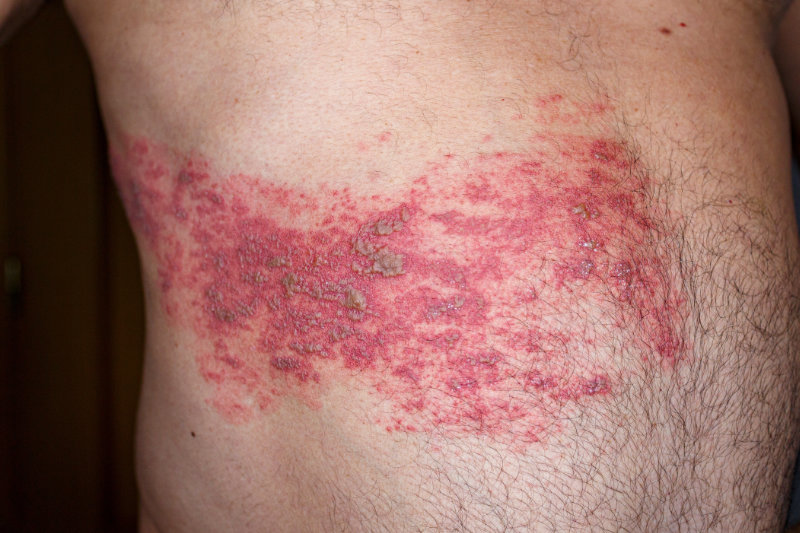
Herpes zoster is a reactivation of the latent varicella-zoster virus, typically affecting adults over age 50. The lifetime risk is approximately 30%, increasing with age (Centers for Disease Control and Prevention [CDC], n.d.).

Image 1: Urticaria
Description of lesions: Multiple annular wheals ranging in size from 1 cm to 3 cm localized on the upper right back. The wheals are uniform, light pink in color, with a smooth surface and a blanched center surrounded by a red halo or flare (area of erythema). The wheals are superficial. The wheals are also raised and palpable, with some areas forming a coalescent arrangement. The lesions are asymmetrically distributed and accompanied by pruritus and edema.
Diagnosis: Urticaria (New) - ICD-10 L50.9
Treatment: Second-generation H1 antihistamine

Image 2: Diaper Rash
Description of lesions: Multiple irregular coalescing lesions localized at the upper pelvis/lower abdominal area. The primary lesions appear to be moist, erythematous plaques with maceration. The plaques are well-demarcated. The periphery of the lesions displays scaling and surrounding satellite papules and pustules with evidence of erosions dispersed bilaterally across the inner thighs. The area is noted to be tender and pruritic.
Diagnosis: Diaper Dermatitis (Candidiasis) (New) - ICD-10 L22
Treatment: Topical antifungal agent

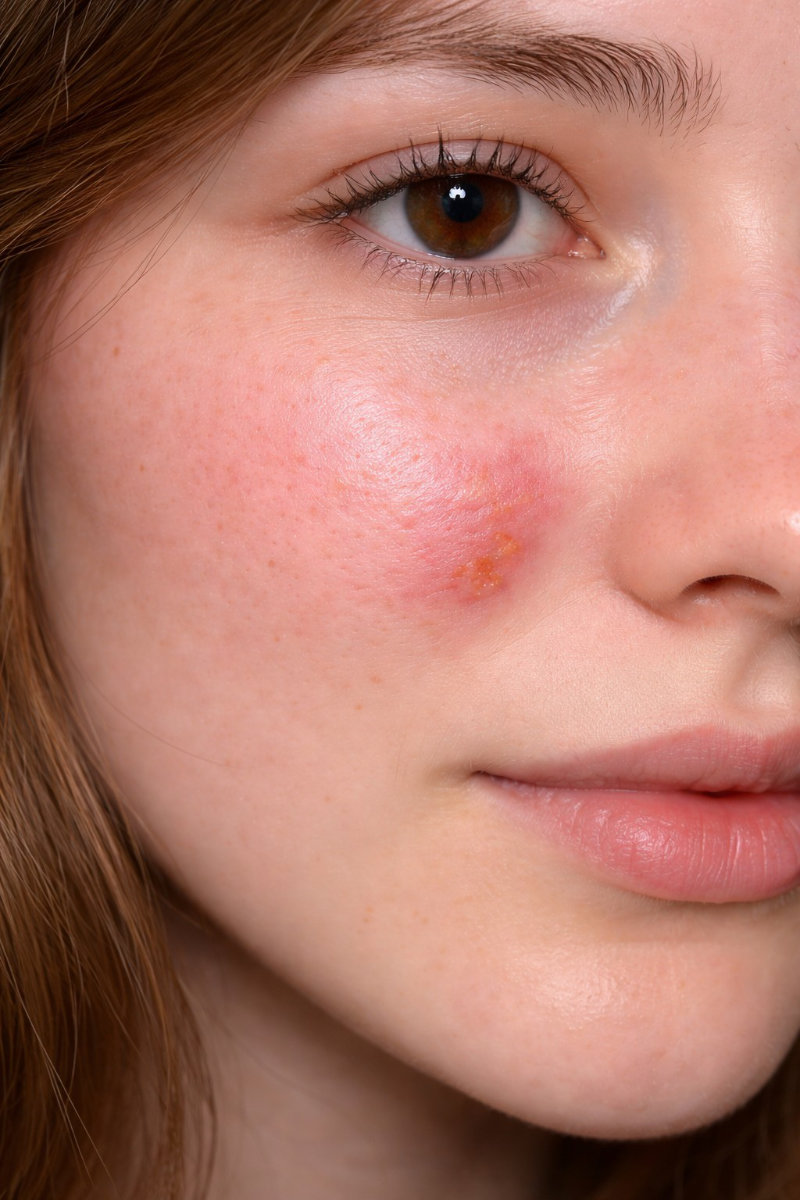
Image 3: Acne Vulgaris
Description of lesions: Multiple round erythematous papules and pustules present in a reticular arrangement on the nose, bilateral cheeks, and chin. The papules and pustules vary in size, measuring 2 millimeters (mm) to 5 mm in diameter. The papules present on the medial cheeks are coalescing, surrounded by more discrete, satellite erythematous papules with some erosion and excoriation. There are also scattered closed comedones with no visible keratin plugs. The lesions are accompanied by pain and tenderness.
Diagnosis: Acne Vulgaris (New) - ICD-10 L70.0
Treatment: Oral tetracycline antibiotic and combination topical retinoid and antiseptic agent
Name: Jina Doe Date: March 11th, 2025![]() Doxycycline 100 mg capsules Disp: #60 Sig. Take one capsule by mouth twice daily (every 12 hours) for three months for acne. Refills: #3 (Three) Adapalene/benzoyl peroxide topical gel 0.1%/2.5% Disp: #1 bottle Sig. Apply a thin layer to affected areas on face once daily for acne. Refills: #3 (Three) |

Image 4: CA-MRSA
Description of lesions: Deep, inflammatory, ruptured, erythematous nodule approximately 3 cm in diameter. The wound bed is dark red and moist. Wound edges are well-demarcated. Erythema and some desquamation were also noted in the peri-wound area.
Diagnosis: Community-Associated Methicillin-Resistant Staphylococcus Aureus (CA-MRSA) - (New) ICD-10 B95.62
Treatment: Tetracycline antibiotic

Image 5: HSV Type 1
Description of lesions: One single 5 mm round-shaped, yellow and crusted pustule with a well-defined border in a circulate configuration localized to the left side.
Diagnosis: Herpes Simplex Virus (Type 1) (New) - ICD-10 B00.9
Treatment: Antiviral ointment

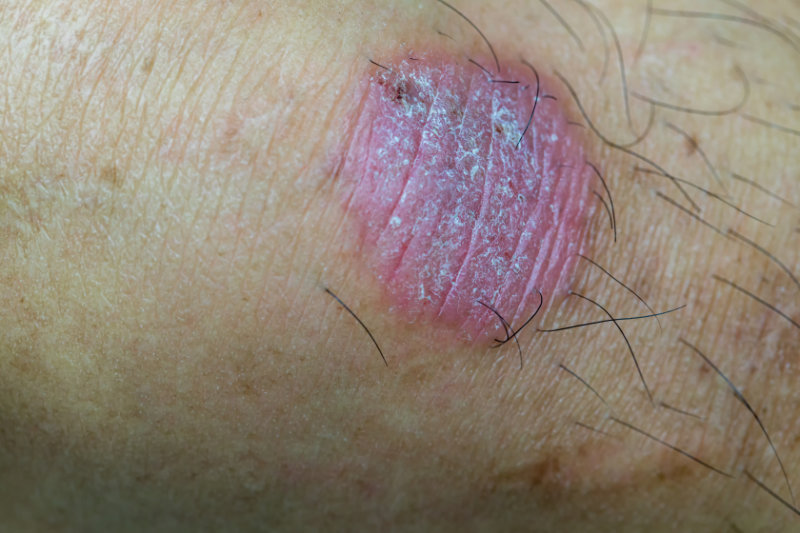
Image 6: Tinea Corporis
Description of lesions: One single annular plaque, 2 cm in diameter and variegated in color (dark red to pink). Borders are well-defined and raised with crusting on the surface.
Diagnosis: Tinea Corporis (New) - ICD-10 B35.4
Treatment: Topical antifungal cream

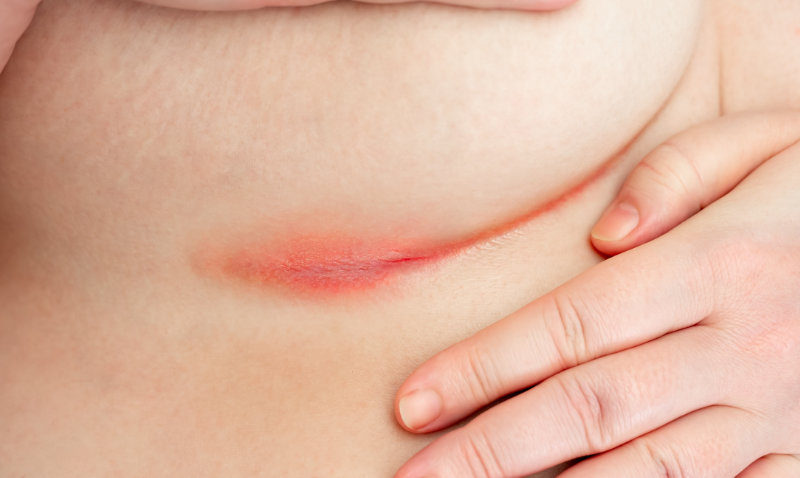
Image 7: Erythema Intertrigo
Description of lesions: Red, glistening, coalesced plaques. The rash is localized along the intertriginous skin-fold area beneath the right breast.
Diagnosis: Erythema Intertrigo (New) - ICD-10 L30.4
Treatment: Topical antifungal agent

Image 8: Sarcoptes (Scabiei (Scabies)
Description of lesions: Small erythematous crusted vesicles are seen with curved (S-shaped) burrowing (this is a characteristic location to find active scabies lesions). Secondary scaling and excoriation noted and caused by scratching. The scabies rash usually appears two to six weeks after exposure to parasitic infestation caused by Sarcoptes scabiei var. homitis. Patients with scabies complain of a rash with unremitting itching and an inability to stop scratching.
Diagnosis: Sarcoptes Scabiei (Scabies) (New) - ICD-10 B86
Treatment: Topical antiparasitic cream

Image 9: Balanitis
Description of lesions:
Diagnosis: Balanitis (New) - ICD-10 N48.1
Treatment: Topical antifungal cream

Description of lesions: Multiple 0.5 mm grouped fluid-filled dome-shaped vesicles and bullae 1 mm or greater in diameter on erythematous, edematous plaques. The fluid inside the vesicles and bullae may be clear or hemorrhagic in nature. There are areas noted where the vesicles and bullae have evolved into pustules with some erupting purulent material, which later go on to form crusted erosions. The lesions are found to be in a dermatomal pattern. New lesions continue to appear for up to one week and are preceded by pain, itching, or tingling in the area where they will develop. The lesions occur most commonly in older adults and immunocompromised people.
Diagnosis: Herpes Zoster (Shingles) (New) - ICD-10 B02.9
Treatment: Oral antiviral agent
Atopic Dermatitis (Eczema)
Molluscum Contagiosum
Hand-Foot-and-Mouth Disease
Cradle Cap (Infantile Seborrheic Dermatitis)
Impetigo
Warts (Verruca Vulgaris)
Psoriasis (Plaque Psoriasis)
Contact Dermatitis (Allergic/Irritant)
Urticaria (Hives)
Seborrheic Dermatitis
Vitiligo
Lichen Planus
Folliculitis
Cellulitis
Actinic Keratosis
Seborrheic Keratosis
Basal Cell Carcinoma (BCC)
Squamous Cell Carcinoma (SCC)
Xerosis (Age-Related Dry Skin)
Erythrasma
Patient Description
Mr. Joseph H., a 64-year-old retired postal worker, presented to New Dawn Primary Care Clinic for his scheduled appointment with Nurse Practitioner Amanda. He reports a 3-day history of localized neuropathic pain and sensory disturbances localized to the left mid-back. He described the discomfort as sharp, burning, and shock-like sensations, which he rated as 7 out of 10 in severity. The pain had been persistent, interfering with his sleep and daily routines. Within 24 hours of the initial symptoms, he developed clusters of painful, fluid-filled blisters in the same region. Mr. H. denied fever, headache, or systemic symptoms. He has a medical history of hypertension and type 2 diabetes mellitus, managed with lisinopril and metformin. Notably, he had never received the shingles (herpes zoster) vaccine, despite meeting CDC age-based eligibility recommendations. He expressed regret about this, stating he was unaware of the vaccine's availability and importance.
The patient lives alone in a private apartment and reports no recent illness, known exposures, or travel. He maintains regular follow-up with his primary care provider for chronic disease management, but reported missing his last wellness visit. His diabetes has been moderately controlled, with a recent HbA1c of 7.5%. He denied any known immunosuppressive conditions or medications. The nurse practitioner recognized that Mr. H.'s age, diabetic status, and lack of vaccination placed him at increased risk for reactivation of latent varicella-zoster virus (VZV), leading to shingles. The timing, pain characteristics, and sudden vesicular eruption raised a strong clinical suspicion for herpes zoster.
Clinical Presentation
On physical examination, the evaluating nurse practitioner noted a unilateral eruption of grouped vesicles on an erythematous base, following the left T8 dermatome in a linear, dermatomal pattern. The lesions did not cross the midline, which is characteristic of herpes zoster. The vesicles were tense and clear, some beginning to crust at the margins. The surrounding skin showed signs of mild edema and tenderness to light palpation. No signs of systemic involvement, dissemination, or ocular complications were present. Lymphadenopathy was not appreciated, and the patient remained afebrile. Cranial nerves were intact, and the neurological exam was unremarkable beyond the localized hyperesthesia in the affected dermatome.
The nurse practitioner made a clinical diagnosis of herpes zoster based on the patient's age, symptomatology, and physical findings. Given the classic presentation and absence of red-flag features, no further laboratory or imaging studies were indicated. She discussed the natural course of shingles and emphasized the need for early antiviral therapy to reduce the duration and severity of symptoms and to mitigate the risk of postherpetic neuralgia, a common complication in older adults.
Nurse Practitioner Intervention and Management
The nurse practitioner prescribed valacyclovir 1,000 milligrams (mg) by mouth three times daily for seven days. This antiviral therapy was selected based on current clinical guidelines, which recommend initiating treatment early to reduce the severity and duration of symptoms. The goal was also to decrease the risk of complications such as postherpetic neuralgia, especially given the patient's age and history of type 2 diabetes. Acetaminophen was recommended for pain relief, and the patient was advised to take it regularly during the acute phase.
Patient education focused on safe practices to limit the spread of the virus and prevent secondary skin infections. Joseph was instructed to gently clean and cover the rash, wear loose clothing, and avoid touching or scratching the affected area. He was also advised to avoid contact with individuals at higher risk for severe varicella-zoster virus infection, including pregnant women, infants, and people with weakened immune systems. The nurse practitioner explained the warning signs of secondary infection, such as spreading redness, swelling, or discharge, and encouraged prompt follow-up if symptoms worsened or did not improve.
Preventive care was also addressed. The nurse practitioner provided information on the recombinant zoster vaccine (Shingrix), including its role in reducing the risk of future outbreaks and related complications. Although the vaccine cannot be given during active infection, the patient was encouraged to receive it after his skin lesions fully resolved. The discussion also included tips on supporting immune health, such as good blood sugar control, balanced nutrition, adequate sleep, and stress reduction.
Outcome
At his follow-up visit one week later, Joseph reported that the pain had decreased significantly. He described it as a dull ache, now rated 3 out of 10, compared to the initial sharp and burning discomfort. Most of the blisters had crusted, and there was no evidence of new lesions or signs of bacterial infection. His sleep had improved, and he expressed a greater sense of comfort and independence.
Joseph shared that he had followed the home care instructions carefully and appreciated the clear, supportive communication he received during his first visit. He stated that the education helped him understand the condition and feel more confident managing it. He expressed interest in getting the shingles vaccine once the rash healed and was provided with follow-up guidance and educational materials. The nurse practitioner reinforced the importance of continuing self-care and monitoring for any lingering pain that might indicate nerve involvement. Overall, the patient's recovery was progressing well, with no complications reported at this time.
Strengths of the Approach
Opportunities for Growth
Reflection Questions
What is the role of the NP in reducing complications associated with shingles?
Why is patient education essential in managing herpes zoster?
Skin conditions are a common reason patients of all ages seek care. As there are many different types of conditions affecting the skin and their presentations vary widely, it is important that healthcare professionals be aware of the different types and their symptoms. It is important to note that comorbid conditions can contribute to these diagnoses, requiring an individualized treatment approach. Effective management requires a deeper dive into the patient's history, lifestyle, and exposures, aiming to provide effective treatment and improve quality of life.
CEUFast, Inc. is committed to furthering diversity, equity, and inclusion (DEI). While reflecting on this course content, CEUFast, Inc. would like you to consider your individual perspective and question your own biases. Remember, implicit bias is a form of bias that impacts our practice as healthcare professionals. Implicit bias occurs when we have automatic prejudices, judgments, and/or a general attitude towards a person or a group of people based on associated stereotypes we have formed over time. These automatic thoughts occur without our conscious knowledge and without our intentional desire to discriminate. The concern with implicit bias is that this can impact our actions and decisions with our workplace leadership, colleagues, and even our patients. While it is our universal goal to treat everyone equally, our implicit biases can influence our interactions, assessments, communication, prioritization, and decision-making concerning patients, which can ultimately adversely impact health outcomes. It is important to keep this in mind in order to intentionally work to self-identify our own risk areas where our implicit biases might influence our behaviors. Together, we can cease perpetuating stereotypes and remind each other to remain mindful to help avoid reacting according to biases that are contrary to our conscious beliefs and values.