Sign Up
You are not currently logged in. Please log in to CEUfast to enable the course progress and auto resume features.

Course Library

Lynch Syndrome

1 Contact Hour
Listen to Audio
CEUfast OwlGet one year unlimited nursing CEUs $39Sign up now
This peer reviewed course is applicable for the following professions:
Advanced Practice Registered Nurse (APRN), Certified Nurse Midwife, Certified Nurse Practitioner, Certified Registered Nurse Anesthetist (CRNA), Certified Registered Nurse Practitioner, Clinical Nurse Specialist (CNS), Licensed Practical Nurse (LPN), Licensed Vocational Nurses (LVN), Midwife (MW), Nursing Student, Registered Nurse (RN), Registered Nurse Practitioner
This course will be updated or discontinued on or before Friday, January 7, 2028

Nationally Accredited

CEUFast, Inc. is accredited as a provider of nursing continuing professional development by the American Nurses Credentialing Center's Commission on Accreditation. ANCC Provider number #P0274.


Outcomes

≥ 92% of participants will know about Lynch syndrome, including the genetic basis and diagnostic criteria.

Objectives

After completing this continuing education course, the participant will be able to:

  1. Describe the genetic basis, clinical presentation, and diagnostic criteria for Lynch syndrome (LS).
  2. Assess the nurse’s role as it relates to hereditary cancer care.
  3. Apply current evidence-based screening and treatment approaches for LS.
  4. Interpret the clinical significance of microsatellite instability (MSI) and MMR deficiency (dMMR) in the diagnosis and treatment of LS.
  5. Explain the concept of autosomal dominant inheritance and incomplete penetrance as they relate to LS risk and clinical outcomes.
  6. Identify the need to assess patients for social determinants of health, health literacy, and readiness for genetic counseling or testing.
  7. Apply the Precision Health Model to develop nursing interventions that integrate family history, lifestyle factors, and patient preferences.
CEUFast Inc. and the course planning team for this educational activity do not have any relevant financial relationship(s) to disclose with ineligible companies whose primary business is producing, marketing, selling, re-selling, or distributing healthcare products used by or on patients.

Last Updated:
  • $39 Unlimited Access for 1 Year
    (Includes all state required Nursing CEs)
  • No Tests Required
    (Accepted by most states & professions)
  • Instant Reporting to CE Broker
  • Instant Access to certificates of completion
Logo Audio
Now includes
Audio Courses!
Learn More
Restart
Restart
  • 0% complete
Hide Outline
Playback Speed

Narrator Preference

(Automatically scroll to related sections.)
Done
Lynch Syndrome
0:00
0:15
 
To earn a certificate of completion you have one of two options:
  1. Take test and pass with a score of at least 80%
  2. Reflect on practice impact by completing a course evaluation.
    (NOTE: Some approval agencies and organizations require you to take a test and the course evaluation is NOT an option.)
Author:    Cameron Herbst (MSN, RN, OCN)

Lynch Syndrome: A Historical Perspective and Course Background

First described by Dr. Aldred Scott Warthin in the late 19th century as “familial cancer syndrome”, LS is an autosomal dominant syndrome that predisposes an individual to developing colorectal cancer (CRC) and extracolonic cancers such as endometrial, ovarian, uterine, and urinary tract cancers (Lynch et al., 2015). Dr. Warthin took an interest in the extensive cancer diagnoses in the family of his seamstress, for whom he assembled a pedigree denoted “Family G” (Boland & Lynch, 2013). By comparing the Family G pedigree to similar pedigrees archived at the University of Michigan, Dr. Warthin was able to determine that this familial cancer syndrome was inherited according to the rules of Gregor Mendel’s autosomal dominant pattern (Lynch et al., 2015).

Dr. Henry T. Lynch, for whom LS is named, joins the story during his internal medicine residency in 1962. At that time, he cared for a patient from Nebraska who reported extreme distress due to the high number of CRC cases in their family history, leading the patient to believe that they too would succumb to CRC. Dr. Lynch initially believed the family was experiencing familial adenomatous polyposis, another autosomal dominant familial cancer syndrome. However, he was surprised to find that the clinical picture did not fit. He investigated the family history of this patient, constructing a pedigree for “Family N” and published his findings of this novel familial cancer syndrome. For many decades, the prevailing belief was that familial cancer syndromes were due exclusively to environmental exposures. It was not until a paradigm shift in the 1990s that genetics emerged to the forefront as a convincing etiology for LS (Boland & Lynch, 2013).

This course is designed to introduce nurses to LS and explain its significance in terms of cancer screening and health promotion activities. An explanation of the genetic underpinnings, clinical presentation, and diagnostic criteria will be provided. Considerations for genetic testing and patient education will be discussed to assist any nurse, regardless of their role in the care continuum, in providing exceptional care informed by genetic literacy for patients with LS. Resources for nurses and patients alike from trusted public health sources are embedded throughout to facilitate the lesson objectives.

The Nurse’s Role in Lynch Syndrome Care

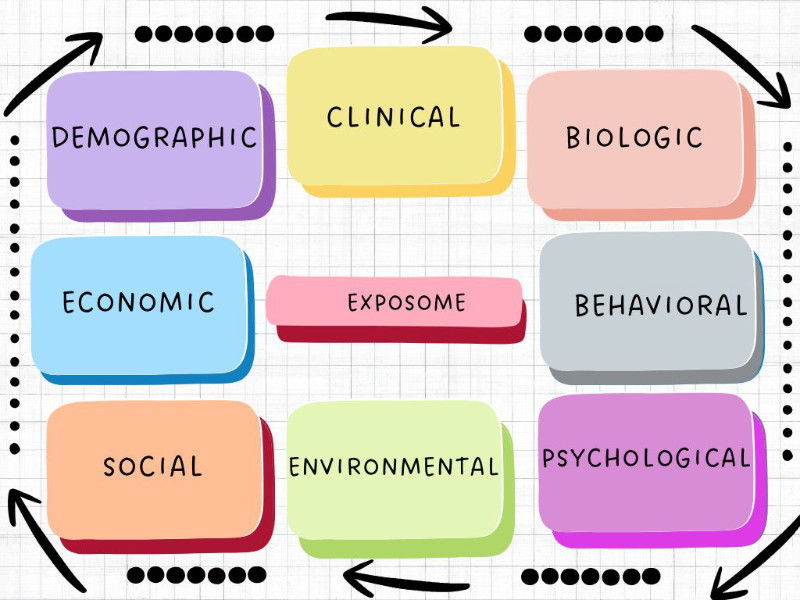
Nurses are essential to the early identification, risk assessment, and clinical management of patients with LS. They appreciate that a “one size fits all” model of healthcare cannot adequately address the diverse needs of the patients entrusted to their care (Kaehne, 2018). In acknowledgment of this fact, an expert panel of nurse researchers developed the Precision Health Model to address the gaps in nursing care and research left by the National Institute of Health (NIH) Symptom Science Model (Cashion & Grady, 2015) and the general precision health framework (Hickey et al., 2020). The framework places the omics of individuals at the center under the influence of myriad domains. “Omics” refers to the systems biology approach of studying large sets of biological data, including genomics, transcriptomics, proteomics, and metabolomics. These domains encompass the “exposome”, which incorporates all non-genetic factors that influence health and disease across the lifespan (Hammer et al., 2025).

Image 1: Precision Health Model (adapted from Hammer et al., 2025)

flow chart of a precision health model

In accordance with the Precision Health Model, nursing responsibilities related to LS include taking detailed family histories with the construction of a pedigree where possible, screening for biobehavioral or lifestyle factors that may influence gene-environment interactions that modulate disease risk, providing patient education consistent with current guidelines, and facilitating referrals for genetic counseling and testing. Nurses can make a significant positive difference! In fact, a nurse-driven testing and management protocol for LS in the United Kingdom has increased adherence to national guidelines for genetic testing, thereby improving rates of accurate diagnoses while closing the gap towards better, more personalized, clinical management (Shawky et al., 2025).

Clinical Presentation of Lynch Syndrome

LS, also known as hereditary nonpolyposis colorectal cancer (HNPCC), is the most common hereditary colorectal cancer syndrome (Abildgaard et al., 2023). LS is typically characterized by the early onset (age < 50) of CRC or endometrial cancer. Cancers such as ovarian, urinary tract, and stomach are all at increased risk due to LS (Cleveland Clinic, 2022). Therefore, the patient with LS is more likely to develop multiple primary cancers during their lifetime. As many as one-third of colonic tumors are found in the cecum, and thus many CRCs in patients with LS are anatomically right-sided (Baran et al., 2018). Polyps, precancerous lesions that form in the lining of the colon, are screened during colonoscopy and removed, ideally before they progress to an invasive carcinoma. Despite patients with LS presenting with a relatively low polyp burden, their polyps progress to cancer more rapidly. Most LS patients have fewer than ten polyps when they are screened (Roberts et al., 2018). Research also suggests that the proportion of LS patients with greater than ten polyps when screened may be higher than previously thought, underscoring the need for further research in the epidemiology of LS.

Image 2: Cecum

graphic showing cecum

Epidemiology of Lynch Syndrome

In the United States, there are approximately 1.1 million carriers of LS variants, which translates to about one in 279 Americans with the syndrome (Cleveland Clinic, 2022). This represents an incidence of 4,000 cases of CRC caused by LS annually (Cleveland Clinic, 2022). LS confers an approximate lifetime risk of developing CRC of 52.2% in women and 68.7% in men (Abu-Ghazaleh et al., 2022). The worldwide overall pooled prevalence of LS in patients with CRC has most recently been estimated to be 2.2%. However, the prevalence could be as high as 5.1% when isolating meta-analyses of studies that perform germline testing on all patients with CRC rather than including those studies that limit germline testing to patients with tumors that are known to be deficient in their ability to repair mismatched deoxyribonucleic acid (DNA) or contain regions of DNA called microsatellites which are unstable, collectively called dMMR/MSI-H (Abu-Ghazaleh et al., 2022).

Lynch Syndrome’s Mechanism of Inheritance

LS is heritable, which means it can be passed down from one generation to the next. This is because the mutations that contribute to the increased risk of cancer in affected individuals occur in germline cells, which give rise to gametes. These germline mutations contrast with somatic mutations, which occur spontaneously throughout life in various bodily tissues and cannot be passed down to the next generation. The pattern of inheritance that characterizes LS is known as autosomal dominant inheritance. This pattern is named because carrying even one variant allele is sufficient to produce the associated phenotype. Each of us carries two alleles for each gene: one inherited from our biological mother, and one from our biological father. This is illustrated by the accompanying Punnett square. The Punnett square shows that a carrier (Aa) and an unaffected (aa) individual would have 50% carrier offspring, with these offspring expressing the variant “A” phenotype in the case of an autosomal dominant disorder.

Image 3: Punnett Square

graphic of punnett square

Thankfully, despite carrying an allele for a phenotype that is expressed in an autosomal dominant fashion, there is some good news. Despite carrying an affected genotype, not every individual with a variant allele will deterministically develop cancer. This is a concept known as incomplete penetrance. Incomplete penetrance refers to the non-deterministic nature of an individual developing a disease if they carry a variant for that phenotype. By contrast, complete penetrance refers to the case where an individual with a particular variant has a 100% likelihood of developing a disease. We know that for each of the genes that play a role in LS (which will be discussed in the next section), each has a range of likelihoods of leading to a cancer diagnosis, which quantifies its penetrance (Wang et al., 2020). The accurate interpretation of these kinds of genetic information is precisely why it is helpful to facilitate consultations with a genetic counselor when LS is suspected.

Genetic and Cellular Pathophysiology

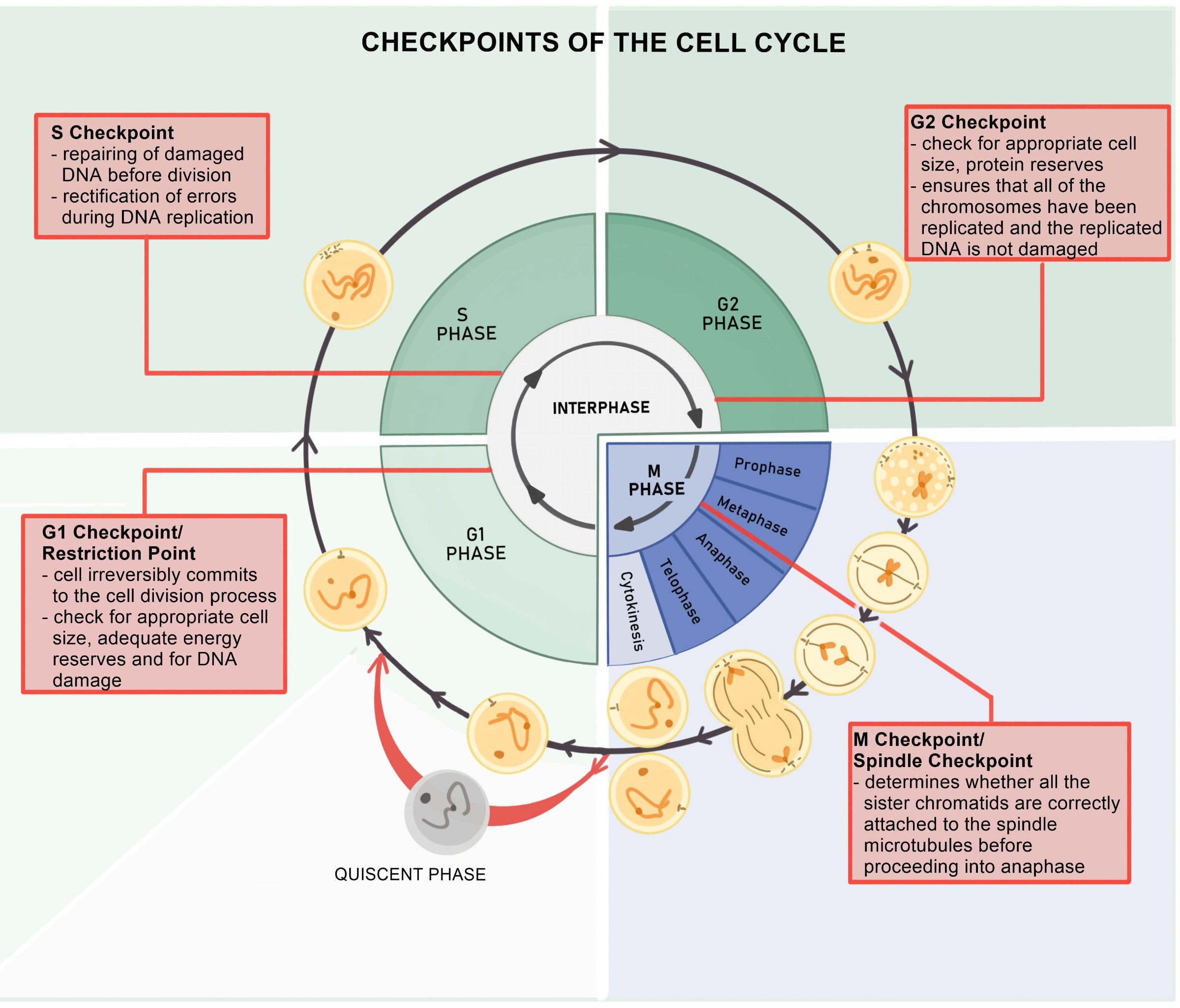
LS increases predisposition towards certain cancers by interfering with the cellular process of mismatch repair (MMR). The MMR process is responsible for correcting errors that accumulate during the process of DNA replication (Oncology Nursing Society [ONS], n.d.). When this process is interrupted, errors accumulate more quickly, which is why polyps in patients with LS progress more quickly to carcinoma. MMR gene function is most active during the S phase of the cell cycle. During the S phase, DNA is copied in anticipation of a pending cellular division through the process of mitosis. Unlike somatic mutations, which occur throughout an individual’s lifetime, the mutations characteristic of LS are germline mutations, making them “heritable” and passed down from one generation to the next. The germline mutations that contribute towards LS occur in highly conserved genes whose protein products interact to facilitate the MMR process. These genes and their normal functions are (Abildgaard et al., 2023):

  • MutS-Homolog 2 (MSH2) – dimerizes with MSH3 and MSH6.
  • MutS-Homolog 3 (MSH3) – dimerizes with MSH2 to recognize and repair large insertions and deletions (indels).
  • MutS-Homolog 6 (MSH6) – dimerizes with MSH2 to recognize and repair single base mismatches and short indels, includes an ATP-dependent conformational change that “locks” the complex in place on the DNA.
  • MutL-Homolog 1 (MLH1) – dimerizes with PMS2.
  • Post-meiotic Segregation 2 (PMS2) – dimerizes with MLH1 to form a “sliding clamp” with endonuclease activity, allowing it to cut the phosphodiester bonds comprising the backbone of DNA.
  • LS can be caused by the loss of functional protein products from any of the above MMR genes and also by a germline deletion in the gene EPCAM, which can lead to the silencing of the downstream MSH2 after a somatic mutation to MSH2 (Pathak et al., 2018).

Image 4: The Cell Cycle

graphic showing the cell cycle

*Please click on the image above to enlarge.

Breakdowns in the MMR process lead to an increased rate of single-nucleotide changes as well as short and long indels. Sometimes these mutations occur in regions known as microsatellites. Microsatellites are sequences of repeats in DNA that are typically one to six base pairs in length and repeat anywhere from five to fifty times (National Human Genome Research Institute [NHGRI], 2025). Microsatellites naturally have a higher mutation rate than other areas of the genome, but when the MMR process is disrupted, mutations can accumulate even more rapidly. When this happens in the context of cancer, the cancer is considered to have high microsatellite instability (MSI-H). When the high microsatellite instability is caused by an impaired mismatch repair process, the tumors are considered MMR deficient (dMMR) (Lizardo et al, 2020).

Acquired somatic mutations in the genes associated with the MMR process can result in a “Lynch-like syndrome” with many of the same clinicopathological features but lacking heritability. This underscores the importance of genetic testing in patients whose presentation is suspicious for LS but who do not have a documented family history available to construct a pedigree (Ladabaum, 2020).

Diagnosis, Testing, and Treatment

A simple yet powerful tool for clinically based and research nurses alike is the pedigree. Pedigrees are standardized assessment tools that enable the construction of a family history that can inform a diagnosis, promote risk assessment and stratification, and build rapport with patients. Periodically, the standardized nomenclature of pedigree construction is updated in order to reflect better the need for clinicians to practice in a way that meets the unique needs of every patient in accordance with the Precision Health Model. Bennett and colleagues have published an updated nomenclature for sex and gender inclusivity, which allows for the capture of individual differences in identity while remaining a relevant source of clinical and genetic information (Bennett et al., 2022).

Nurses can use the pedigree tips from multiple resources to familiarize themselves with pedigrees and their nomenclature so that they might integrate them into their practice. Software for generating pedigrees is now available, including FamGenix and the free Progeny, which offer varying levels of automation based on patient questionnaires, assisting with family history data collection.

The National Comprehensive Cancer Network (NCCN) has recommended that reflexive immunohistochemistry screening be performed for LS with every CRC diagnosis. Despite this guideline, implementation varies greatly (Usry et al., 2023). Diagnosis of LS is aided by immunohistochemistry testing for proteins made by MMR genes and next-generation sequencing to amplify regions of DNA using polymerase chain reaction (PCR) to complement clinical information using the Amsterdam II criteria (Lynch et al., 2015). The Amsterdam II criteria are:

  1. At least three relatives with an LS-related cancer.
  2. One should be a first-degree relative of the other two.
  3. At least two successive generations affected.
  4. At least one CRC diagnosed before age 50.
  5. Familial adenomatous polyposis should be excluded.
  6. Tumors should be verified by pathological examination.

The revised Bethesda Guideline criteria are used for determining when to recommend genetic testing for LS. Genetic testing can be accomplished via saliva, a blood test, or a tumor biopsy. The criteria are (Online Mendelian Inheritance in Man [OMIM], n.d.; Stanford Medicine Health Care, n.d.):

  1. CRC or uterine cancer diagnosed in a patient less than age 50.
  2. Presence of synchronous, metachronous CRC or other LS-associated cancers regardless of age.
  3. CRC with MSI-H histology diagnosed in a patient less than age 60.
  4. CRC diagnosed in one or more first-degree relatives with a LS-associated cancer, with one being diagnosed before age 50.
  5. CRC diagnosed in two or more first or second-degree relatives with LS-associated cancers, regardless of age.

When testing is recommended, there are several options for the nurse to explore in terms of referral: Quest Diagnostics, Natera, Labcorp/Invitae, Myriad Genetics, and Ambry Genetics are all options, as well as many large academic medical centers such as Mayo Clinic, Memorial Sloan Kettering, Dana-Farber Cancer Institute, and Stanford Health Care. Samples can be as minimally invasive as saliva or blood. However, tumor biopsy testing is also available for the patient who presents with a new CRC or other LS-related cancer. Additional information for interested nurses can be found in the Online Mendelian Inheritance in Man page for LS (OMIM, n.d.), funded by the NHGRI.

Image 5: Sputum Culture

photo of sputum culture sample container

There is no treatment for LS, but there are options to tailor screening for LS-associated cancers with the goal of early detection and prevention of metastatic disease. Screening recommendations are tailored to the individual based upon factors including age and genotype, but generally, colonoscopies are recommended every 1-2 years, a transvaginal ultrasound is typically recommended every 1-2 years, an endoscopy every 3-5 years, and urinalysis annually (Cleveland Clinic, 2022).

While there are currently no treatments targeting the LS-specific mutations, many LS-associated cancers harbor other mutations that are frequently actionable. For example, the drug sotorasib targets a particular mutation, KRASG12C, of the KRAS oncogene.

Patients and nurses alike may have difficulty interpreting the results of genetic testing. It is important to facilitate consultation with a licensed genetic counselor to assist the patient with understanding what their results mean for them and for their family. When possible, patient educational materials designed by nurses should be co-created with patients and read at a 6th-8th grade reading level using visual aids where possible to help explain genetic concepts (Dwyer et al., 2021).

Case Study #1

Edi is always on the go. But then again, it is all she has ever known! Growing up in a military family meant moving all the time to bases all around the world. She liked it – the cultural immersion from the experiences gave her a sense of appreciation for diversity and all the different kinds of people and traditions. Her only regret is that it made it hard for her to keep in touch with her extended family. She remembered stories about some of them from when she was young, and they would write to each other as often as possible, but she always looked forward to those fleeting times when they could all get together at a reunion! The discipline and structure that military life fostered were probably a big reason that Edi fell in love with physics. The math, the laws, it just made sense! Her interests grew naturally in the natural sciences, and she worked on many federally funded projects for NASA.

Today, Edi is stopping by to see her PCP, Dr. Werner. An exceedingly serious man, Dr. Werner is a man of few words. Sharp as a tack, he has an exceptionally staid personality. “Edi, I’ve been reviewing your family medical history, and I have some concerns. Your mother’s side of the family has a troubling pattern of cancer diagnoses.”

Edi had heard the stories. Her maternal grandfather had passed away at the age of 54 from CRC. Since it had been diagnosed at age 49, he had undergone genetic testing and was found to carry a mutation in PMS2, effectively inactivating the gene. Without the resulting protein, Dr. Werner explained, her grandfather’s cells could not correct stochastic mistakes in DNA replication. This was a process known as DNA mismatch repair (MMR). These mutations added up over time and ultimately struck her grandfather’s KRAS gene, a proto-oncogene that drives cellular growth and differentiation. “That must have caused his cancer!” Edi declared. “I remember my mother telling me they did something called next-generation sequencing that identified the mutation. “Next-generation sequencing,” Dr. Werner confirmed, “is a powerful tool that modern clinicians can use to identify mutations that may be targetable for treatment. It’s personalized medicine.”

“I’d like to recommend we get you genetic testing,” Dr. Werner said. “I noticed your maternal uncle passed away from urothelial cell carcinoma at age 61, and his son, your cousin, passed away very young from a small bowel cancer. By Amsterdam II criteria, we can clinically diagnose you with LS once we rule out familial adenomatous polyposis based on these other clinical factors.”

“I don’t think that’s necessary,” Edi said. “I appreciate your concern, but it’s obvious to me that my uncle inherited the allele from my grandfather, but my mom is in her 60s now and has never had a cancer diagnosis. Even though she hasn’t been tested, it’s clear to me that we didn’t inherit the allele.”

  • Do you agree with Edi? Is there any value in her undergoing genetic testing, given that her mother, now in her 60s, has not had a cancer diagnosis? Why or why not?
  • A: No, I would disagree with Edi. LS is known to exhibit incomplete penetrance, which means the allele is inherited, but sometimes cancer never manifests. It is important to clarify that carrying the allele does not guarantee a cancer diagnosis; rather, it informs lifetime risk, which can give insight into preventive behaviors, including regular screening, avoiding certain exposures associated with CRC risk, and active surveillance for symptoms of CRC, including cramping, bleeding, and bowel changes. Furthermore, all of the cancers in Edi’s pedigree are LS-related cancers.

“Wow, I never knew that!” Edi exclaimed. “Yes,” Dr. Werner explained, “Due to incomplete penetrance, it’s possible that your mother carries the allele and just has been lucky to never develop a cancer.”

“Let’s get me tested!” Edi says.

Edi’s blood sample confirms a germline mutation in PMS2 by immunohistochemistry. Dr. Werner can work with her to organize a screening plan that works around her busy life, ensuring they have the best chance of catching any Lynch-related cancers early. “I have another question,” Edi says. “When my grandfather had next-generation sequencing testing done, the doctors were able to give him some prognostic information, but at the time, there weren’t any targeted therapies available to him. Is that still the case?”

Dr. Werner opens the electronic health record. “It’s interesting that you mention that because in 2021, the FDA approved sotorasib for the specific KRAS mutation that your grandfather had – KRASG12C. The notation means that at amino acid position twelve, the mutation has led to a cysteine residue where there is normally a glycine. That change in amino acid makes the protein constitutively active, or always “on” (Heriyanto et al., 2024). Sotorasib received accelerated approval based on a study called CodeBreaK 100 because it is a small molecule that can bind very specifically to the KRAS protein to keep it permanently “off”. The company followed that trial up with a study called CodeBreak 200, which sought to move sotorasib to the first line in KRASG12C mutated cancers like non-small cell lung cancer and CRC.”

More data from the study can be found here. If you were a clinician counseling a patient on their treatment options for a metastatic CRC, which was known to be KRASG12C positive, what are some considerations that you would ensure to include in the conversation with your patients (de Langen et al., 2023)?

Research has shown that there is a modest progression-free survival benefit in the sotorasib group as compared to the docetaxel group. Sotorasib also appears to have a favorable toxicity profile as compared to docetaxel (33% Grade 3+ adverse events for sotorasib, 40% Grade 3+ adverse events for docetaxel). As a taxane, docetaxel comes with many of the “classic” chemotherapy side effects such as hair loss, nausea and vomiting, and peripheral neuropathy. All of these can be quite distressing to patients. Sotorasib side effects tend to be milder, manifesting in ways like liver function test elevations. Sotorasib also benefits from oral administration, eschewing the need to travel to an infusion center to receive intravenous chemotherapy. Despite these advantages, the cost difference is significant, with sotorasib costing nearly $15,000 per cycle (21 days) and docetaxel costing only $77 per cycle (Jiang et al., 2023).

Ethically, these multifaceted considerations need to be thoroughly addressed with patients. For example, if you have screened a patient for food insecurity and they admit to having trouble affording groceries, it would be necessary to have a frank conversation with them about the cost of sotorasib, not to deter them, but to make sure they have a crystal clear understanding of what they can expect when they make their decision.

In terms of trauma-informed care, understanding whether your patient has gone through chemotherapy before or has been a caregiver for another person who has undergone chemotherapy may provide important insights into whether or not receiving additional chemo could be a trigger for them, which may indicate that the targeted therapy is a better choice from that perspective.

In terms of mechanism of action, medication adherence is imperative for the patient taking sotorasib because the cancer will continue to grow if the patient stops taking the pill. Therefore, thorough patient education regarding adherence is necessary.

If testing could be done to assess pharmacogenomics, perhaps the patient could be found to be a slower-than-average metabolizer of this drug, which means they could be prescribed less to achieve the therapeutic benefit and possibly lower the cost to the patient.


Case Study #2

Scenario:

Rene, a 35-year-old woman, arrives at the outpatient clinic for her annual gynecologic exam. She is upbeat, but she mentions that her younger brother, Daniel, was recently diagnosed with CRC at the age of 34. “It’s been a lot to deal with,” she says. “I’ve been trying to help care for him as much as I can, but there’s no way that we could have seen this coming. After all, he’s so young. I didn’t even know that young people could get this.”

As you take her health history, you learn:

  • Rene’s paternal aunt died of endometrial cancer at 46.
  • Her grandfather was diagnosed with CRC in his early 50s.
  • Her father passed away last year at the age of 53 from what Rene understood was “some kind of stomach cancer.”

Rene herself has had no significant health issues, but notes she has never had a colonoscopy. She asks whether she should be worried.

Intervention:

The nurse reviews Rene’s family history and notes that it meets the Amsterdam II criteria:

  • At least three relatives (father, grandfather, and aunt) with LS-associated cancers.
  • Two successive generations affected (grandfather, father/aunt).
  • One diagnosis before age 50 (Daniel, aunt).
  • All on the same side of the family.
  • No known familial adenomatous polyposis.

The nurse constructs a pedigree with Rene to help her understand the patterns found in the observations and why they lend themselves to genetic testing. The nurse recommends:

  • Referral to a genetic counselor.
  • Genetic testing for LS and to exclude familial adenomatous polyposis.
  • If positive, initiation of a tailored screening plan per NCCN guidelines.

Outcome:

Rene is found to have a germline mutation in PMS2. With a confirmed LS diagnosis, she initiates a personalized screening strategy to monitor for early signs of LS-associated cancers.

Strengths/Weaknesses:

Some strengths of the approach that the nurse in the case study took include:

  1. Obtained a detailed family history using a pedigree.
  2. Initiated a referral to genetic counseling.
  3. Advocated for a precision health approach to Rene’s care through genetic testing, which is consistent with NCCN guidelines.
  4. Utilized the appropriate diagnostic criteria (Amsterdam II).
  5. Discussed the importance of cancer screening for early detection of cancer.

Some weaknesses of the nurse’s approach include:

  1. No screening of modifiable lifestyle risk factors was performed. It is important to keep in mind that even if Rene’s genetic test results are positive, this does not imply a deterministic outcome of an assured cancer diagnosis. Gene-environment interactions play a significant role in carcinogenesis, and Rene could have been screened for dietary, exercise, and smoking behaviors, which could contribute to her overall cancer risk.
  2. Rene’s health literacy, specifically genetics literacy, was not addressed. We can infer, however, based on her admission that she was unaware that young people can get cancer and that she was unsure of the type of cancer that her father had one year prior, that she may need some assistance understanding some complex medical terminology and concepts. This would be an opportunity to introduce some co-created patient education materials that might help her comprehend the information she has been given.
  3. No mention of possible barriers to genetic testing or counseling, such as insurance status or transportation concerns. Social determinants of health can play a significant role in limiting access to necessary genetic testing and services, and screening for these issues should be performed to help facilitate these services for Rene so that she receives gold standard care.
  4. Finally, it is important to gauge whether a patient is receptive to genetic testing and genetic counseling. Approaching these conversations with humility and an attitude of shared governance in decision-making allows patients to be empowered to engage with the healthcare system to the extent that they desire without coercion.

Current Research in Immunotherapy

Pembrolizumab (Keytruda) is a monoclonal antibody (mAb) of the PD-1 inhibitor family of drugs. It is known as an immunotherapy. The mAb class of drugs works by binding to specific epitopes. In 2017, the FDA approved Keytruda for the treatment of unresectable MSI-H/dMMR solid tumors after other standard of care treatment options have been exhausted. The approval was obtained for this indication regardless of PD-L1 expression, tissue type, or tumor location.

Biomarker discovery with clinical utility in the diagnosis, treatment, and management of LS has become increasingly studied. A research group has identified SATB2 and CDX2 as biomarkers with prognostic value for LS after building tissue microarrays of 514 colorectal adenocarcinomas and measuring immunohistochemistry expression of each biomarker. They found that reduced expression of at least one of these complementary biomarkers was found twice as often in dMMR tumors as in mismatch repair proficient tumors (pMMR). Furthermore, there was an association between reduced expression and the presence of the BRAF V600E mutation, which is known to confer a poor prognosis in this population (Ma et al., 2019).

Even more recently, a survival analysis of patients with MSI-H tumors, both with and without LS, who were treated with Keytruda, was performed. The analysis found no significant difference in outcomes regardless of whether the MSI-H mechanism was due to LS or somatic mutations. Again, the BRAF V600E mutation was associated with poor prognosis in patients with stage IV CRC. Other immunotherapy clinical trials suggesting a survival advantage from adding additional immunotherapy drugs to a treatment regimen pave the way for studies to explore whether dual blockade immunotherapy is a viable treatment option for patients with the BRAF V600E mutation (Eslinger et al., 2025).

Conclusion

CRC is a leading cause of morbidity and mortality in the world, with LS being the most common heritable CRC. It is important for nurses and healthcare professionals to understand their role in caring for someone who is at risk of developing LS or has been diagnosed with LS. Examples may include learning about pedigrees or referring to a genetic counselor. It is essential to keep updated on the latest developments with this syndrome.

Select one of the following methods to complete this course.

Take TestPass an exam testing your knowledge of the course material.
OR
No TestComplete a course evaluation.

Implicit Bias Statement

CEUFast, Inc. is committed to furthering diversity, equity, and inclusion (DEI). While reflecting on this course content, CEUFast, Inc. would like you to consider your individual perspective and question your own biases. Remember, implicit bias is a form of bias that impacts our practice as healthcare professionals. Implicit bias occurs when we have automatic prejudices, judgments, and/or a general attitude towards a person or a group of people based on associated stereotypes we have formed over time. These automatic thoughts occur without our conscious knowledge and without our intentional desire to discriminate. The concern with implicit bias is that this can impact our actions and decisions with our workplace leadership, colleagues, and even our patients. While it is our universal goal to treat everyone equally, our implicit biases can influence our interactions, assessments, communication, prioritization, and decision-making concerning patients, which can ultimately adversely impact health outcomes. It is important to keep this in mind in order to intentionally work to self-identify our own risk areas where our implicit biases might influence our behaviors. Together, we can cease perpetuating stereotypes and remind each other to remain mindful to help avoid reacting according to biases that are contrary to our conscious beliefs and values.

References

  • Abildgaard, A. B., Nielsen, S. V., Bernstein, I., Stein, A., Lindorff-Larsen, K., & Hartmann-Petersen, R. (2023). Lynch syndrome, molecular mechanisms and variant classification. British Journal of Cancer, 128(5), 726–734. Visit Source.
  • Abu-Ghazaleh, N., Kaushik, V., Gorelik, A., Jenkins, M., & Macrae, F. (2022). Worldwide prevalence of Lynch syndrome in patients with colorectal cancer: Systematic review and meta-analysis. Genetics in Medicine, 24(5), 971–985. Visit Source.
  • Baran, B., Mert Ozupek, N., Yerli Tetik, N., Acar, E., Bekcioglu, O., & Baskin, Y. (2018). Difference between left-sided and right-sided colorectal cancer: A focused review of literature. Gastroenterology Research, 11(4), 264–273. Visit Source.
  • Bennett, R. L., French, K. S., Resta, R. G., & Austin, J. (2022). Practice resource-focused revision: Standardized pedigree nomenclature update centered on sex and gender inclusivity: A practice resource of the National Society of Genetic Counselors. Journal of Genetic Counseling, 31(6), 1238–1248. Visit Source.
  • Boland, C. R., & Lynch, H. T. (2013). The history of Lynch Syndrome. Familial Cancer, 12(2), 145–157. Visit Source.
  • Cashion, A. K., & Grady, P. A. (2015). The National Institutes of Health/National Institutes of Nursing Research intramural research program and the development of the National Institutes of Health Symptom Science Model. Nursing Outlook, 63(4), 484–487. Visit Source.
  • Cleveland Clinic. (2022). Lynch syndrome and HNPCC. Cleveland Clinic. Visit Source.
  • de Langen, A. J., Johnson, M. L., Mazieres, J., Dingemans, A.-M. C., Mountzios, G., Pless, M., Wolf, J., Schuler, M., Lena, H., Skoulidis, F., Yoneshima, Y., Kim, S.-W., Linardou, H., Novello, S., Wekken, A. J. van der, Chen, Y., Peters, S., Felip, E., Solomon, B. J., … Paz-Ares, L. (2023). Sotorasib versus docetaxel for previously treated non-small-cell lung cancer with KRASG12C mutation: A randomised, open-label, phase 3 trial. The Lancet, 401(10378), 733–746. Visit Source.
  • Dwyer, A. A., Au, M. G., Smith, N., Plummer, L., Lippincott, M. F., Balasubramanian, R., & Seminara, S. B. (2021). Evaluating co-created patient-facing materials to increase understanding of genetic test results. Journal of Genetic Counseling, 30(2), 598–605. Visit Source.
  • Eslinger, C., Walden, D., McGary, A., Emiloju, O., Ahn, D., Sonbol, M. B., Bekaii-Saab, T., Zhu, M., Hubbard, J., & Wu, C. (2025). Comparison of survival outcomes for patients with Lynch vs non-Lynch syndrome and microsatellite unstable colorectal cancer treated with immunotherapy. Cancer, 131(4), e35756. Visit Source.
  • Hammer, M. J., Conley, Y. P., Henderson, W. A., Lukkahatai, N., Miaskowski, C., Starkweather, A., & Wesmiller, S. W. (2025). Breaking the code: Using the Precision Health Model to guide research and clinical care. Nursing Outlook, 73(3), 102396. Visit Source.
  • Heriyanto, D. S., Yoshuantari, N., Akbariani, G., Lau, V., Hanini, H., Hidayati, Z., Arief, M. Z., Gunawan, A. N., Ridwanuloh, A. M., Kusharyoto, W., Handaya, A. Y., Ilyas, M., Kurnianda, J., Hutajulu, S. H., & Susanti, S. (2024). High probability of Lynch Syndrome among colorectal cancer patients is associated with higher occurrence of KRAS and PIK3CA mutations. World Journal of Oncology, 15(4), 612–624. Visit Source.
  • Hickey, K. T., Bakken, S., Byrne, M. W., Bailey, D. (Chip) E., Demiris, G., Docherty, S. L., Dorsey, S. G., Guthrie, B. J., Heitkemper, M. M., Jacelon, C. S., Kelechi, T. J., Moore, S. M., Redeker, N. S., Renn, C. L., Resnick, B., Starkweather, A., Thompson, H., Ward, T. M., McCloskey, D. J., … Grady, P. A. (2020). Corrigendum to recision health: Advancing symptom and self-management science. Nursing Outlook, 67(4), 462–475. Visit Source.
  • Jiang, Y., Zhao, M., Liu, R., & Zheng, X. (2023). Sotorasib versus docetaxel for treatment of US and Chinese patients with advanced non-small-cell lung cancer with KRAS p.G12C-mutated: A cost-effectiveness analysis to inform drug pricing. Medicine, 102(50), e36387. Visit Source.
  • Kaehne, A. (2018). Care integration – from “One Size Fits All” to person centered care: Comment on “Achieving integrated care for older people: Shuffling the deckchairs or making the system watertight for the future?” International Journal of Health Policy and Management, 7(10), 955–957. Visit Source.
  • Ladabaum, U. (2020). What is Lynch-like syndrome and how should we manage it? Clinical Gastroenterology and Hepatology, 18(2), 294–296. Visit Source.
  • Lizardo, D. Y., Kuang, C., Hao, S., Yu, J., Huang, Y., & Zhang, L. (2020). Immunotherapy efficacy on mismatch repair-deficient colorectal cancer: From bench to bedside. Biochimica et Biophysica Acta (BBA) - Reviews on Cancer, 1874(2), 188447. Visit Source.
  • Lynch, H. T., Snyder, C. L., Shaw, T. G., Heinen, C. D., & Hitchins, M. P. (2015). Milestones of Lynch syndrome: 1895–2015. Nature Reviews Cancer, 15(3), 181–194. Visit Source.
  • Ma, C., Olevian, D., Miller, C., Herbst, C., Jayachandran, P., Kozak, M. M., Chang, D. T., & Pai, R. K. (2019). SATB2 and CDX2 are prognostic biomarkers in DNA mismatch repair protein deficient colon cancer. Modern Pathology, 32(8), 1217–1231. Visit Source.
  • National Human Genome Research Institute (NHGRI). (2025). Microsatellite. National Human Genome Research Institute. Visit Source.
  • Oncology Nursing Society. (n.d.). Understanding MSI/MMR. Oncology Nursing Society. Visit Source.
  • Online Mendelian Inheritance in Man. (n.d.). Clinical synopsis - #120435 - Lynch syndrome 1; Lynch1. Online Mendelian Inheritance in Man. Visit Source.
  • Pathak, S. J., Mueller, J. L., Okamoto, K., Das, B., Hertecant, J., Greenhalgh, L., Cole, T., Pinsk, V., Yerushalmi, B., Gurkan, O. E., Yourshaw, M., Hernandez, E., Oesterreicher, S., Naik, S., Sanderson, I. R., Axelsson, I., Agardh, D., Boland, C. R., Martin, M. G., … Sivagnanam, M. (2018). EPCAM mutation update: Variants associated with congenital tufting enteropathy and Lynch Syndrome. Human Mutation, 40(2), 142–161. Visit Source.
  • Roberts, M., Marshall, M. L., Webb, E. M., McGill, A. K., Susswein, L. R., Xu, Z., Klein, R. T., & Hruska, K. S. (2018). Polyp burden in Lynch Syndrome patients ascertained via multigene panel testing. Journal of Clinical Oncology, 36(4suppl), 596–596. Visit Source.
  • Shawky, M., Murrey, M., & Morrison, J. (2025). Implementing recommendations for routine mismatch repair (MMR) immunohistochemistry (IHC) testing of endometrial cancer and subsequent patient management. BMJ Open Quality, 14(1) e003014. Visit Source.
  • Stanford Medicine Health Care. (n.d.). Revised Bethesda guidelines for testing. Stanford Medicine Health Care. Visit Source.
  • Usry, B., Graf, K., Raman, R., Allen, C., Meeder, K., Hughes, K. S., & Donahue, C. (2023). Barriers in the identification and diagnosis of hereditary colon cancer. Journal of Clinical Oncology, 41(16suppl), e13524–e13524. Visit Source.
  • Wang, C., Wang, Y., Hughes, K. S., Parmigiani, G., & Braun, D. (2020). Penetrance of colorectal cancer among mismatch repair gene mutation carriers: A meta-analysis. JNCI Cancer Spectrum, 4(5), pkaa027. Visit Source.