Sign Up
You are not currently logged in. Please log in to CEUfast to enable the course progress and auto resume features.

Course Library

FL APRN Autonomous Practice Applicant (Pharmacology): Adult Obesity: Comprehensive Assessment and Management

2 Contact Hours including 2 Advanced Pharmacology Hours
Only FL APRN Autonomous Practice Applicants will receive credit for this course.
Listen to Audio
CEUfast OwlGet one year unlimited nursing CEUs $39Sign up now
This course is only applicable for Florida nurse practitioners who need to meet the autonomous practice initial licensure requirement.
This peer reviewed course is applicable for the following professions:
Advanced Practice Registered Nurse (APRN)
This course will be updated or discontinued on or before Saturday, March 11, 2028

Nationally Accredited

CEUFast, Inc. is accredited as a provider of nursing continuing professional development by the American Nurses Credentialing Center's Commission on Accreditation. ANCC Provider number #P0274.


Outcomes

≥ 92% of participants will know the comprehensive evaluation and management of adults living with obesity.

Objectives

After completing this course, the learner will be able to:

  1. Relate the incidence and prevalence of obesity in the adult population.
  2. Differentiate between the terms overweight and obese.
  3. Explain the pathophysiology of obesity.
  4. Examine obesity-related conditions and complications.
  5. Elaborate on a comprehensive assessment of an adult with obesity.
  6. Summarize evidence-based clinical practice guidelines for the treatment of obesity.
  7. Recognize weight stigma in practice and how to promote stigma-free care.
CEUFast Inc. and the course planning team for this educational activity do not have any relevant financial relationship(s) to disclose with ineligible companies whose primary business is producing, marketing, selling, re-selling, or distributing healthcare products used by or on patients.

Last Updated:
  • $39 Unlimited Access for 1 Year
    (Includes all state required Nursing CEs)
  • No Tests Required
    (Accepted by most states & professions)
  • Instant Reporting to CE Broker
  • Instant Access to certificates of completion
Logo Audio
Now includes
Audio Courses!
Learn More
Restart
Restart
  • 0% complete
Hide Outline
Playback Speed

Narrator Preference

(Automatically scroll to related sections.)
Done
FL APRN Autonomous Practice Applicant (Pharmacology): Adult Obesity: Comprehensive Assessment and Management
0:00
0:15
 
To earn a certificate of completion you have one of two options:
  1. Take test and pass with a score of at least 80%
  2. Reflect on practice impact by completing a course evaluation.
    (NOTE: Some approval agencies and organizations require you to take a test and the course evaluation is NOT an option.)
Author:    Sarah Beattie (DNP, APRN-CNP, CDCES)

Introduction

Over 890 million adults worldwide are living with obesity (World Health Organization [WHO], 2025). Obesity was deemed a chronic disease in 2013. Despite advances in treatment options, the obesity epidemic in the United States continues to escalate. According to the Centers for Disease Control and Prevention (CDC) (Emmerich et al., 2024), the prevalence of obesity in the adult population is now at a staggering 40.3%, with the rates of severe obesity rising to 9.4%. The obesity rates did not differ between men and women, but for those with severe obesity, the prevalence was higher in women (Emmerich et al., 2024). The prevalence of obesity was also higher in those aged 40-59, in those with a lower education level, and in the non-Hispanic Black and Hispanic populations (Centers for Disease Control and Prevention [CDC], 2024a).

In the United States, there is ample access to high-calorie, ultra-processed foods, and in many areas, very little access to healthy foods such as fresh fruits or vegetables. Couple the easy access to these obesity promoting foods with a sedentary lifestyle and a lack of safe spaces for exercise, and the result is an obesogenic environment. These obesogenic environments fuel the obesity epidemic, while many adults in the US lack access to treatment and often are faced with weight stigma. As obesity rates rise, healthcare providers must have the knowledge and skills needed to care for adults living with obesity effectively.

Clinical Definition of Obesity

BMI

Body mass index (BMI) is the standard measure for diagnosing obesity in adults. BMI is a calculation recommended by the WHO and the National Institutes of Health (NIH) for classifying obesity. Table 1 breaks down the classification of weight by BMI.

BMI = Body weight (in kg) ÷ height (in meters squared)

BMI calculator

This classification system is specific to White, Hispanic, and Black individuals. Notably, Asian individuals have different BMI cutoffs when classifying obesity (Bajaj et al., 2024). Thus, assessing the patient’s race and ethnicity is imperative to correct diagnosis and treatment of obesity. 

Table 1.
BMI CategoryBMI (kg/m2)BMI Asian (kg/m2)
Healthy Weight18.5 - < 2518.5 – 22.9
Overweight25 - < 3023-27.5
Obesity30 or >> 27.5
  • Class 1 Obesity
30 - < 35 
  • Class 2 Obesity
35 - < 40 
  • Class 3 Obesity (severe)
40 or > 
(CDC, 2024b; Bajaj et al., 2025)

Other Measurements

Waist circumference (WC) and waist-to-hip ratio (WHR) are also used to diagnose obesity, along with BMI. In North America, the cutoff for WC is >40 in in men and >34.5 in in women. Elevated WC correlates with increased cardiometabolic risk. A WHR ≥ 0.90 in men and ≥ 0.85 in women indicates central obesity (Liu, He, & Li, 2024). Dual-energy X-ray absorptiometry (DXA) is another clinical method for assessing adiposity. According to the American Association of Clinical Endocrinologists (Nadolsky et al., 2025), WC, DXA, and WHR can be used when BMI is inconclusive to assess adipose tissue distribution. These clinical measurements can also help to determine cardiometabolic risk (Nadolsky et al., 2025).

Pathophysiology of Obesity

Previously, obesity was thought to be a condition based on calorie intake versus calorie expenditure, which does not acknowledge the full picture of obesity. The pathophysiology of obesity is multifactorial, with complex interactions among genetic, hormonal, behavioral, and environmental factors that affect energy intake and expenditure.

Central Nervous System

Neurons in the arcuate nucleus of the hypothalamus regulate the body's energy balance. These neurons are influenced by hormonal signals from the body that either increase hunger or satiety. Genetic abnormalities, structural abnormalities, such as tumors, and hormonal abnormalities disrupt the hypothalamic neuronal response, leading to obesity in adults.

Adipose Tissue

Excess energy, known as calories, is stored as adipose tissue. Adipose tissue comprises mainly white adipose tissue and, to a lesser extent, brown adipose tissue. Due to the highly metabolic nature of adipose tissue, it is considered an endocrine organ. White adipose tissue, found in visceral and subcutaneous fat, is a major contributor to obesity-related disease. Brown adipose tissue comprises a much smaller proportion of body fat and appears to be beneficial, given its mitochondrial function in promoting energy expenditure through non-shivering thermogenesis (Kong et al., 2025).

White adipose tissue stores glucose and lipids, in the form of triglycerides, and acts as an endocrine organ, secreting adipokines that have adverse downstream effects on inflammation, insulin sensitivity, and appetite (Dowker-Key et al., 2024). As white adipose tissue enlarges, it continues to release leptin and other adipokines, which then disrupt hypothalamic function, creating resistance to the satiety hormonal response.

Hormones

In addition to hormones released by adipose tissue, additional hormones such as leptin, ghrelin, and incretins contribute to adult obesity by altering hypothalamic function. Ghrelin is a hormone secreted by the stomach during fasting and increases hunger. Leptin is an adipokine released by adipose tissue to signal satiety. Incretin hormones, such as Glucagon-like peptide-1 (GLP-1) and glucose-dependent insulinotropic polypeptide (GIP), are released by the small and large intestine when carbohydrates are consumed to slow gastric emptying and signal the pancreas to release insulin. The incretin hormones and insulin signal satiety to the hypothalamus, thereby reducing food intake (Fitch et al., 2024). Elevated adipokine levels from increasing amounts of adipose tissue create leptin resistance in the hypothalamus. Ghrelin levels are lower in obesity, and these levels are worsened by poor sleep, contributing to overeating and craving foods, all of which contribute to obesity. Low levels of incretin hormones lead to dysregulation of satiety and glucose metabolism, also contributing to obesity (Kong et al., 2025).

Genetics

Currently, hundreds of genes are associated with obesity. Monogenic obesity conditions result from mutations in a single gene, such as Prader-Willi, Cohen, and Bardet-Biedl syndromes. These rare conditions typically present in early childhood and are not influenced by environmental factors (Masood & Moorthy, 2023). Most cases of adult obesity are polygenic, reflecting alterations in the genetic expression of multiple genes and being intensely influenced by inherited and environmental factors. Research has demonstrated a strong correlation between obese parents and lifetime obesity risk in children, suggesting both a genetic and environmental influence on obesity pathophysiology (Mikkelsen et al., 2025).

Sleep

Insufficient sleep and disruptions of the body’s circadian rhythm result in hormonal alterations that can contribute to obesity (Papatriantafyllou et al., 2022). Poor sleep increases ghrelin levels and reduces leptin levels. This creates an imbalance of hunger and satiety. These hormones are also disrupted by alterations in the circadian rhythm, such as those associated with shift work. Hormonal dysregulation can lead to increased consumption of high-calorie foods and heightened food cravings. Fatigue secondary to insufficient sleep and altered circadian rhythms reduces energy expenditure.

Environmental Influences

An environment with ample access to high-calorie foods and limited access to low-calorie, high-fiber foods while promoting a sedentary lifestyle is termed an obesogenic environment (Meijer et al., 2024). Other environmental influences contributing to obesity include exposure to endocrine-disrupting chemicals, low socioeconomic status, ethnicity, and medications with a side effect of weight gain (Meijer et al., 2024). Beta blockers, insulin, sulfonylureas, thiazolidinediones, selective serotonin reuptake inhibitors (SSRIs), serotonin-norepinephrine reuptake inhibitors (SNRIs), and glucocorticoids are just a few medications associated with weight gain (Anekwe et al., 2024). Certain other medical conditions, such as uncontrolled hypothyroidism, Cushing’s disease, and polycystic ovarian syndrome (PCOS), increase obesity risk. These environmental factors and conditions, coupled with a genetic predisposition, fuel hormonal dysregulation, increasing the risk of obesity.

Obesity-Related Health Outcomes

Adults living with obesity have an increased risk of obesity-related complications and obesity-related diseases, leading to higher mortality levels than in the non-obese population. It has been estimated that obesity-related premature deaths per year in the United States outnumber the premature deaths caused by smoking (Ward et. al., 2022). Morbidity related to adult obesity has significant negative financial and quality-of-life implications.

Just as the pathophysiology of obesity is multifactorial, obesity-related adverse health outcomes affect multiple organ systems. Often, obesity treatment can improve some of these adverse health outcomes. Table 2 identifies several obesity-related medical conditions.

Type 2 diabetes is a growing obesity-related condition. Type 2 diabetes results from insulin resistance and pancreatic β-cell dysfunction. Insulin is a hormone excreted from the pancreatic β-cells to lower blood glucose. Excess adipose tissue increases proinflammatory cytokines and free fatty acids (FFA), which impair insulin's ability to enter cells (insulin resistance), thereby raising blood glucose levels. The elevated blood glucose levels trigger the pancreas to release more insulin. Excess lipids in the bloodstream that cannot be stored in adipose tissue also increase insulin resistance. Given these mechanisms, pancreatic β-cell hypertrophy results in β-cell dysfunction and reduced insulin production (Klein et al., 2022).

Metabolic Dysfunction-Associated Steatotic Liver Disease (MASLD) is a common finding in those with obesity, metabolic syndrome, and type 2 diabetes. If not addressed, MASLD can lead to Metabolic Dysfunction–Associated Steatohepatitis (MASH), liver fibrosis, liver cirrhosis, and hepatocellular carcinoma. MASLD is caused by excessive accumulation of lipids in the liver, coupled with insulin resistance. These processes then lead to hepatocyte dysfunction, causing liver inflammation, oxidative stress, and mitochondrial changes, thereby worsening MASLD to MASH, fibrosis, cirrhosis, and carcinoma (Dua et al., 2025).

Obesity results in chronic exposure of the heart and blood vessels to proinflammatory substances. This ongoing inflammation, coupled with increased circulating fluid volume and dyslipidemia, leads to cardiovascular conditions such as hypertension, coronary artery disease, CVA, heart failure, atrial fibrillation, and thrombotic events (Norton et al., 2024; Jin et al., 2023). FFA enters the cardiac muscle cells, and the accumulation of excess adipose tissue surrounding the heart contributes to cardiac dysfunction, including left ventricular hypertrophy in adults with obesity (Jin et al., 2023).

Pulmonary conditions directly related to obesity in adults include obstructive sleep apnea (OSA), asthma, and hypoventilation syndrome. In adults with obesity, excess adipose tissue narrows the airways and induces a proinflammatory response, leading to airway inflammation and impaired gas exchange. Additionally, the smaller airway diameter relative to lung tissue volume results in limited lung volumes. Together, these factors result in a higher incidence of asthma and worsening of existing asthma in those with obesity (Fröhlich, 2025). Excess adipose tissue in the chest, neck, and abdominal cavity obstructs the airway during sleep in OSA. Similarly, hypoventilation syndrome is observed in obesity due to excess adipose tissue, also causing shallow breathing and hypoventilation, though it is continuous during both wakefulness and sleep (Fröhlich, 2025).

Adults with obesity have a higher incidence of multiple cancers, including, but not limited to, breast, colorectal, pancreatic, liver, esophageal, endometrial, and ovarian cancer. Numerous biological factors in obesity are thought to fuel the growth of cancer cells. Obesity can promote cancer cell proliferation through oxidative stress, leading to DNA damage and exposing cancer cells to elevated levels of lipids, insulin, leptin, and other proinflammatory cytokines (Jin et al., 2023).

Table 2. Obesity-Related Medical Conditions
  • Type 2 Diabetes
  • MASLD – Metabolic Dysfunction-Associated Steatotic Liver Disease 
  • Gout
  • Hypertension
  • Coronary Artery Disease
  • CVA
  • Heart Failure
  • Atrial Fibrillation
  • Obstructive Sleep Apnea
  • Hypoventilation Syndrome 
  • Pulmonary Hypertension
  • Asthma
  • Depression and Anxiety 
  • Dementia
  • Osteoarthritis
  • Thrombotic events (pulmonary embolism, deep vein thrombosis)
  • Cancer (breast, colorectal, pancreatic, liver, esophageal, endometrial, ovarian)

Clinical Assessment

Obesity is a complex chronic disease that requires a comprehensive clinical assessment provided by obesity informed healthcare providers. The assessment of adults living with obesity starts with the complete health history. Investigating family history, medications, and comorbid medical conditions will help assess potential contributors to obesity. It is also important to evaluate for any psychological disorders. Untreated depression, anxiety, or eating disorders can complicate the treatment of obesity. Next, evaluate the patient’s dietary habits, such as types of foods consumed, eating patterns, and access to healthy foods. Assessing sleep timing, duration, and quality provides a better understanding of disordered sleep patterns. Also, ask about the frequency, type, and duration of physical activity. A comprehensive health history also includes information about housing, socioeconomic barriers (such as low income or food insecurity), limited mobility, and cognitive concerns.

The physical exam is a critical part of clinical assessment, though it can be anxiety-provoking for many patients. Healthcare providers should use supportive language and a gentle, respectful approach. The physical assessment includes measurements of height, weight, BMI, neck circumference, and waist circumference. Vital sign measurements include blood pressure, heart rate, and pulse oximetry readings.

A comprehensive physical exam, found in Table 3, includes:

Skin: Common skin findings in obesity include acanthosis nigricans and skin tags, both of which are linked to insulin resistance. Hirsutism, or excessive hair growth on the face, chest, abdomen, and thighs in women, can be associated with conditions like PCOS. Facial plethora and violaceous striae (wide, purple stretch marks) on the abdomen, axilla, thighs, and breasts can be associated with conditions such as hypercortisolism. Skin breakdown, such as pressure ulcers, can occur with immobility. Lower-extremity skin abnormalities, such as skin discoloration in chronic venous insufficiency and cellulitis, can occur in obesity. Skin folds can retain moisture, leading to a rash or even candida infection (Taira et al., 2024).

Cardiopulmonary: Cardiac assessment includes identifying abnormal heart sounds, such as murmurs or carotid bruit. Evaluation for heart failure includes the assessment of lung sounds for crackles, lower extremity edema, jugular venous distention (JVD), and displaced apical impulse, as well as S3 and S4 heart sounds. Assessing the cardiac rhythm is essential for identifying arrhythmias, such as atrial fibrillation. Reduced lung sounds on physical examination may indicate reduced lung capacity due to obesity.

Abdomen: The abdominal assessment can be difficult in adults living with obesity, but it is vital to identifying obesity related conditions. Liver palpation can identify hepatomegaly. Palpation of the abdomen can reveal a pulsatile mass due to an abdominal aortic aneurysm (AAA). Non-pulsatile masses palpated in the abdomen could identify a cancerous process or an abdominal hernia. Ascites can result from heart failure and liver disease in adults living with obesity.

Musculoskeletal: The musculoskeletal examination is performed to identify obesity-related conditions, including osteoarthritis with joint pain, joint deformity, and limited joint range of motion. Evaluation of extremity muscle wasting can raise the suspicion of Cushing’s syndrome.

Psychological: A psychological exam evaluates the patient’s mood and affect as well as their interaction with the healthcare provider. Anxiety and depression are common mental health disorders in adults living with obesity, but they also play a role in the etiology of obesity. During the clinical evaluation, be aware of symptoms of mood disorders such as lack of eye contact, fidgeting, lack of engagement in the conversation, flat affect, becoming tearful, expressing excessive worry, or even expressing self-harm. Evaluation of other existing mental health disorders can also aid in addressing potential barriers to successful obesity treatment.

Table 3.
Body SystemObesity-Related Assessment Findings
SkinAcanthosis nigricans
Skin Tags Hirsutism


Facial Plethora

Violaceous Striae

Pressure Ulcers

Chronic Venous Insufficiency

Cellulitis

Rash in skin folds
CardiopulmonaryCardiac Murmur

Carotid Bruit

Pulmonary Crackles

Diminished Lung Sounds

Lower Extremity Edema

Jugular Venous Distention (JVD)

Displaced Apical Pulse

S3 or S4 Heart Sounds

Irregular Rate or Rhythm
AbdomenHepatomegaly

Pulsatile Mass

Abdominal Bruit

Non-Pulsatile Mass
MusculoskeletalJoint Pain

Joint Swelling

Joint Deformity

Muscle Loss in Extremities
PsychologicalAbnormality in Mood or Affect

Interaction with Healthcare Provider

Laboratory evaluation of obesity includes assessment of fasting blood glucose, hemoglobin A1c, liver function tests, electrolytes, thyroid-stimulating hormone, and a lipid panel. Additional targeted laboratory tests may be performed, as indicated, to assess the status of pre-existing obesity-related complications and diseases. Other diagnostic tests that may be considered based on abnormal clinical examination findings include joint imaging, electrocardiogram, sleep study, and noninvasive liver evaluation.


Treatment of Obesity

Nutrition

Nutritional counseling is a key component of reducing caloric excess in the treatment of obesity and necessitates referral to a dietitian. Reducing total caloric intake by 500-700 kcal/day, while aiming to consume 1,000-1,500 kcal/day, has been shown to be an effective strategy for weight loss (Kim, 2020). Nutritional counseling is foundational to all obesity treatments, including lifestyle interventions, pharmacologic therapy, and surgical interventions.

The Dietary Guidelines for Americans emphasize protein, fiber, and limiting highly processed foods. The current U.S. Department of Agriculture (USDA) and U.S. Department of Health and Human Services (HHS) (U.S. Department of Agriculture [USDA], 2026) dietary guidelines recommend:

  • 1.2–1.6 grams of protein per kilogram of body weight per day (animal or plant-based protein)
  • 3 servings of dairy per day
  • 3 servings of vegetables per day
  • 2 servings of fruit per day
  • Saturated fat should not exceed 10% of total daily calories
  • 2-4 servings of whole grains per day
  • Adequate hydration with water or unsweetened beverages (while limiting non-nutritive sweeteners)

It is recommended to avoid highly processed foods, added sugars, and non-nutritive sweeteners. Also, it is recommended to avoid sugar-sweetened drinks. If a meal does contain added sugar, it should have less than 10 grams of added sugar. (USDA, 2026).

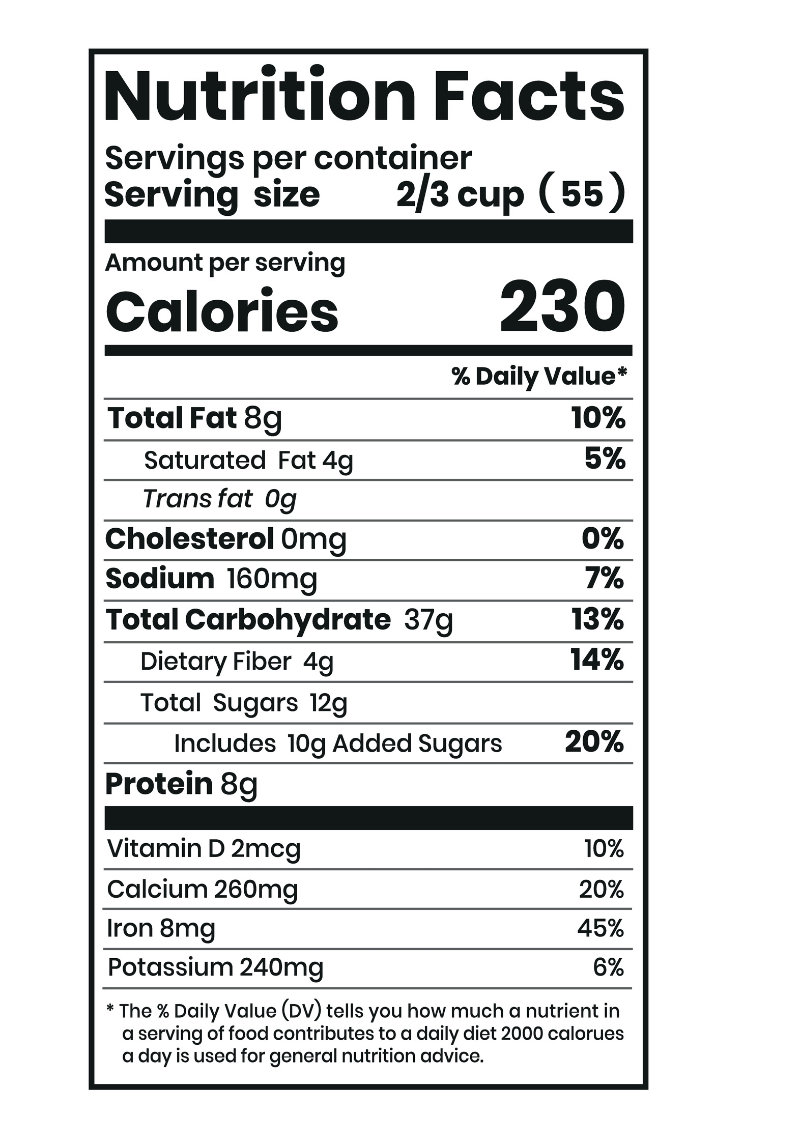
When people think of limiting sugar in their diet, they typically think of sweet treats; however, sugar can be hidden in many everyday foods, without the consumer even realizing it. While sugar is naturally found in foods such as fresh fruit and dairy, it is often added to foods to enhance flavor and texture, or as a preservative to increase shelf life. It is important to check food nutritional labels for sources of added sugar. In the ingredient list, look for different names for added sugars, such as cane sugar, corn syrup, high-fructose corn syrup, rice syrup, molasses, honey, and agave. Most words that end with “-ose” contain sugar such as glucose, fructose, maltose, dextrose, and sucrose (CDC, 2026).

Hidden Sources of Sugar (CDC, 2026)
  • Condiments and Sauces: Ketchup, jarred pasta sauce, barbeque sauce, salad dressings have a surprising amount of added sugar. Many brands are now making a “no-sugar-added” version.
  • Yogurt: In addition to sugar from fruit, many yogurts have high amounts of added sugar. Look for brands with more protein than sugar.
  • Protein Bars: While boasting the protein content, many protein bars and drinks contain 10-25 g of added sugar!
  • Milk and Coffee Creamers: While dairy contains natural sugars, some flavored dairy and nondairy products are sweetened with added sugar- especially chocolate, vanilla, or strawberry flavored products.
  • Canned Fruit, Preserves, Jams: A consumer might erroneously assume that the sweetness in canned fruits, preserves, or jams is from the natural sugar of the fruit; however, these products contain added sugar. Look for products canned with water instead of syrup and low/no-sugar-added options.
  • Nut Butters: Peanut, almond, and cashew butters typically have added sugar for flavor and texture.
  • Drinks: Sodas, sports drinks, energy drinks, coffee drinks, and flavored iced teas have surprisingly high amounts of added sugar. One popular lemon-flavored iced tea contains 239 calories, 59 grams of sugar, and 0 grams of protein per 20-oz bottle! Similarly, a popular energy drink contains 26 grams of added sugar per can.

photo of nutritional label

Numerous healthy eating plans exist to reduce daily caloric intake while maintaining adequate intake of macronutrients and micronutrients. Evidence supports the use of numerous dietary approaches, including the Mediterranean diet, the Dietary Approaches to Stopping Hypertension (DASH) diet, the plant-based diet, the low-carbohydrate diet, the high-fat diet, the ketogenic diet, and the low-glycemic index diet. Further evidence supports the personalization of nutrition for each patient, as no single diet has proven superior, and encourages the use of personalized nutrition plans that align with personal preferences, beliefs, and nutritional needs (Nadolsky et al., 2025; Kim, 2020). A personalized meal plan coordinated by a dietician can also ensure balance, meeting protein, fiber, vitamin, and mineral requirements to prevent deficiencies.

Physical Activity

Exercise is a well-established modality to improve aerobic capacity, resting heart rate, blood pressure, and overall metabolic health. There are many different approaches to treating obesity with physical activity. As with nutrition interventions, physical activity interventions for treating obesity must align with the patient’s personal preferences, beliefs, and physical capabilities. A person with obesity may have numerous comorbidities that create difficulty with physical activity. This can be especially true with osteoarthritis of the joints or spine, resulting in pain if the activity is too intense or increased too quickly. This may lead the person to feel discouraged or incapable of exercising. It is important that a person gradually build up to the recommended activity levels.

Research demonstrates that the intensity and duration of physical activity affect weight loss. While engaging in aerobic exercise for 30 minutes per week was associated with modest reduction in body weight, waist circumference, and body fat in adults with obesity, aerobic training exceeding 150 minutes per week at a moderate intensity or higher was needed to achieve clinically significant reductions (Jayedi et al., 2024).

Aerobic exercise has been shown to decrease body weight, waist circumference, and body fat, with decreases that are linearly related to increasing duration of aerobic exercise at moderate to vigorous intensities, up to 300 minutes per week.

Measuring the efficacy of resistance training has been challenging because clinical measurements tend to rely on overall body weight and BMI rather than body composition, which do not differentiate between lean and fat mass or between adipose deposits in visceral and subcutaneous tissues. Resistance training can result in slight increases in body weight due to increased lean body mass, which is highly associated with metabolic health and physical function (Lopez et al, 2022). In a meta-analysis, Lopez et al. (2022) found that supervised resistance-based exercise programs significantly reduced body fat percentage and whole-body fat mass in participants with obesity, regardless of age or sex.  Resistance-based exercise combined with caloric restriction was found to be the most effective training intervention. Additionally, regional adiposity measures decreased significantly, while lean mass increased with resistance-based exercise. Body weight and BMI were significantly reduced in adult age categories. Overall, both resistance training alone and resistance training combined with aerobic training were found to significantly reduce fat mass; however, resistance-based exercise combined with calorie restriction was the most effective for decreasing body fat percentage and whole-body fat mass in participants who were overweight or obese (Lopez et al., 2022).

Group-based exercise programs, or programs supervised by trained professionals, have been shown to be consistently associated with higher exercise adherence rates among adults with obesity (de Sena Anchieta Rodrigue et al., 2026)

Current guidelines recommend working up to 150 minutes of moderate-to-vigorous-intensity physical activity per week, comprising aerobic and resistance training (Nadolsky et al., 2025). It is recommended to engage in a variety of activities, including aerobic, resistance, balance, and stretching (Jakicic et al., 2024). For sedentary individuals or those with musculoskeletal disorders such as osteoarthritis, a physical therapist or an athletic trainer can help create an appropriate exercise prescription, develop an injury-prevention action plan, and maintain motivation. Ask questions about their favorite physical activities and their motivation for exercise. They will also assist the patient in developing SMART goals that are specific, measurable, attainable, relevant, and timely. Assess and reassess these SMART goals at each encounter. Physical activity, regardless of type, should be combined with nutritional interventions to be effective.

Sleep

Sleep quality and duration are additional important factors to consider in obesity management. Studies have found that adults who get less than 6 hours of sleep per night have higher BMI and WC than those who sleep longer (Direksunthorn, 2025). This sleep deficiency is also associated with increased caloric intake, weight gain, and metabolic dysregulation (Direksunthorn, 2025). Studies have shown that increasing sleep duration can reduce caloric intake, leading to weight loss (Tasali et al., 2022). Referral to a sleep medicine specialist for sleep evaluation is key to addressing underlying conditions, such as OSA. A referral to an occupational therapist may also be beneficial, as sleep is considered a restorative occupation. Occupational therapists treat sleep disorders by addressing behavioral, environmental, and physical factors that impact rest; suggesting environmental modifications; helping develop healthy sleep habits and routines; educating on stress-reduction techniques that promote more restful sleep; and incorporating sensory integration to support rest and recuperation.

Mental Health

The use of mental health professionals in the treatment of obesity is essential to long-term success. Mental health professionals not only assess for and treat co-morbid conditions such as anxiety and depression but also work with patients to identify causes of overeating. Current modalities used by mental health professionals to treat obesity related mental health conditions include cognitive behavioral therapy and motivational interviewing (Hammer et al., 2024). It is recommended to have a psychiatric evaluation prior to metabolic/bariatric surgery to ensure the patient is optimized for a life-altering surgery and to limit weight regain.

Pharmacology

Pharmacologic therapy can be considered if lifestyle interventions fail to produce at least 5% weight loss in three to six months, and one other factor (Voelker, 2025):

  • Obesity and a BMI ≥30 kg/m2 (BMI ≥27 kg/m2 in Asian population) or
  • BMI of 27 to 29.9 kg/m2 (BMI ≥25 kg/m2 in Asian population) plus one or more weight-related comorbidities

There are now numerous pharmacologic agents used to treat obesity and obesity related conditions. Here, we will review the FDA-approved pharmacologic agents used to treat obesity in conjunction with nutritional and physical activity interventions. Current guidelines recommend GLP-1 or GLP-1/GIP medications as the preferred pharmacologic treatment for obesity in most adults due to greater weight loss, multifactorial mechanisms of action, and the multiple obesity-related complications that these agents can address. The remaining medications are considered alternative agents.It is important to remember that all FDA-approved weight-loss agents are contraindicated during pregnancy.

Healthcare providers must have a thorough understanding of all available pharmacological agents for the treatment of obesity, including their mechanisms of action, side-effect profiles, and contraindications. This knowledge and clinical expertise can help patients make evidence-based, personalized treatment decisions.

GLP-1 Receptor Agonists

GLP-1 Receptor Agonists (RA) are incretin mimetics that slow gastric emptying, decrease food intake, increase insulin secretion in a glucose-dependent manner, and decrease inappropriate glucagon secretion by acting on GLP-1 receptors throughout the body. Due to their multifactorial mechanisms of action and effects on the treatment and prevention of obesity-related diseases, GLP-1 RAs are the preferred first-line agents for the treatment of obesity in adults. Here, we discuss FDA-approved GLP-1 RAs for the treatment of obesity.

Liraglutide

Liraglutide is a chronic weight management medication option in adults with obesity. Liraglutide is administered by subcutaneous injection, starting at 0.6 mg once daily. Titration can occur every 7 days and is as follows: 1.2 mg, 1.8 mg, 2.4 mg, and a maximum dose of 3 mg. (UpToDate Lexidrug, 2026a). Studies have noted a 9.2% weight loss. Liraglutide trials have demonstrated the prevention of type 2 diabetes, improvements in hemoglobin A1c and blood pressure, prevention of cardiovascular disease in individuals with type 2 diabetes, and benefit in MASLD (Nadolsky et al., 2025). It is to be used with caution in those with severe renal impairment and those with liver impairment.

Semaglutide

Semaglutide is another chronic weight management medication option for adults with obesity. Semaglutide is now available as a once-a-week subcutaneous injection or as a daily oral pill. Dosing for the weekly subcutaneous injection is initiated at 0.25 mg once a week for 4 weeks. Titration can occur every 4 weeks, and the titration schedule is as follows: 0.5 mg, 1 mg, 1.7 mg, 2.4 mg. Dosing for oral semaglutide starts at 1.5 mg daily and is titrated every 30 days to 4 mg, 9 mg, and a maximum of 25 mg (UpToDate Lexidrug, 2026b). Weight loss for injectable semaglutide is 16.9% and 13.6% with oral semaglutide (Nadolsky et al., 2025; Wharton et al., 2025). Injectable semaglutide has shown benefits in preventing type 2 diabetes, improving glycemic control in type 2 diabetes, lowering blood pressure, preventing cardiovascular disease in individuals with type 2 diabetes, and benefiting MASLD (Nadolsky et al., 2025). Oral semaglutide has been shown to reduce cardiovascular risk in obese adults (Novo Nordisk, 2025). No dosing adjustment is recommended for kidney impairment. However, it should not be used in those with pre-existing liver disease, in those who are malnourished, or in those who are sarcopenic (UpToDate Lexidrug, 2026b).

Tirzepatide

Tirzepatide is a GLP-1 and glucose-dependent insulinotropic polypeptide (GIP) receptor agonist used for weight management. It is like other GLP-1 RA medications in its mechanism of action, though it exhibits a more pronounced effect due to dual agonism at GLP-1 and GIP receptors. Tirzepatide is a once-weekly subcutaneous injection. Dosing starts at 2.5 mg once weekly, and titration can occur every 4 weeks. The titration dosing schedule is as follows: 5 mg, 7.5 mg, 10 mg, 12.5 mg, and 15 mg. (UpToDate Lexidrug, 2026c). Weight loss with tirzepatide has been reported at 22% (Nadolsky et al., 2025). Tirzepatide has demonstrated benefits in preventing type 2 diabetes, improving hemoglobin A1c in those with type 2 diabetes, improving obstructive sleep apnea, improving hypertension, and improving MASLD. Studies are currently ongoing evaluating the ASCVD risk reduction in those with type 2 diabetes using tirzepatide (Nadolsky et al., 2025). No adjustment is necessary in those with kidney or liver impairment (UpToDate Lexidrug, 2026c).

Common side effects of GLP-1 RA and GLP-1 RA/GIP agents include primarily gastrointestinal (GI) symptoms of abdominal pain, nausea, vomiting, constipation, and diarrhea. GI symptoms must be evaluated, as volume depletion, dehydration, and worsening kidney impairment have been noted. Headache and fatigue are also noted. Although blood pressure has improved, tachycardia is a potential side effect of this class of medications; heart rate should be monitored. Contraindications include a personal or family history of multiple endocrine neoplasia type 2 (MEN2) or medullary thyroid carcinoma (MTC). Prescribing cautions include gallbladder disease, history of pancreatitis, and diabetic retinopathy in those with type 2 diabetes (Nadolsky et al., 2025).

Less often discussed side effects of GLP-1 medications are the effects on musculoskeletal tissue and bone health. A growing number of studies demonstrate that GLP-1RA medications create a significant reduction in lean body mass, raising concerns related to the negative effects on skeletal muscle mass, sarcopenia, and muscle function. Despite the overall reduction in lean body mass, additional research has observed reduced fatty infiltration into muscle, suggesting improved muscle composition with an appropriate decrease in muscle mass (Gato et al., 2025). Studies on bone health demonstrate that GLP-1 RA medications may support bone health by increasing bone formation, improving microarchitecture, and reducing fracture risk by 32–38% in patients with existing bone density disorders. While rapid weight loss from these drugs can cause bone density loss, studies suggest a net protective effect or neutral impact, often enhanced when combined with exercise (Jensen et al., 2024). However, according to Gato et al. (2025), the “impact may depend on the patient's age, metabolic status, treatment dose and duration, and the degree of weight reduction.”

Orlistat

Orlistat is a reversible inhibitor of gastric and pancreatic lipases, which inhibits dietary fat absorption by 30% (UpToDate Lexidrug, 2026d). Since fat absorption is altered, fat is expelled in the stool, and consequently, less fat and fewer calories are absorbed. Orlistat is available by prescription (120 mg with meals) and over the counter (60 mg with meals). Orlistat has been shown to result in a 4% weight loss, prevent type 2 diabetes, and lower low-density lipoprotein (LDL) cholesterol levels (Nadolsky et al., 2025).

Though Orlistat can be a chronic medication, adherence is limited to common side effects. Side effects include fecal incontinence, oily fecal discharge, abdominal pain, frequent bowel movement, and fecal urgency, particularly after a high-fat meal.  Due to reduced fat absorption, deficiencies of fat-soluble vitamins A, D, E, and K can occur and may require supplementation. Monitoring includes monitoring liver and renal function tests. Orlistat should not be used in individuals with malabsorption disorders (Nadolsky et al., 2025; UpToDate Lexidrug, 2026d). Monitor for acute kidney injury due to oxalate nephropathy and nephrolithiasis in those using Orlistat (Nadolsky et al., 2025; UpToDate Lexidrug, 2026d).

Phentermine

Phentermine is a short-term pharmacologic option for treating obesity in adults. It is a sympathomimetic amine that stimulates the hypothalamus to release norepinephrine. Phentermine is similar to amphetamines in that it increases norepinephrine levels, reducing appetite and increasing energy, thereby leading to a calorie deficit. Phentermine (excluding Lomaira) is administered as 15 to 18.75 mg once daily or 30 to 37.5 mg in 1 or 2 divided doses. Lomaira dosing is 8 mg 3 times daily, 30 min before meals (UpToDate Lexidrug, 2026e). Studies have demonstrated a 5-6% weight loss, though its use is limited to up to 12 weeks (Nadolsky et al., 2025; UpToDate Lexidrug, 2026e).

Phentermine can increase heart rate, blood pressure, and cardiac workload, potentially leading to cardiac ischemia or arrhythmias. It is contraindicated in those with cardiovascular disease, hyperthyroidism, glaucoma, pregnancy, the use of an MAOI inhibitor in the previous 14 days, and those with a history of drug abuse. Due to CNS stimulation, side effects can also include anxiety, irritability, and even psychosis. Dosage should be adjusted for renal insufficiency and avoided in those with an eGFR <15 mL/minute/1.73 m2(UpToDate Lexidrug, 2026e).

Phentermine/Topiramate ER

Phentermine-Topiramate ER is a chronic pharmacologic option for adults with obesity. Adding Topiramate ER to phentermine adds a multifactorial mechanism of action for weight loss. Topiramate ER, commonly used for seizures and migraine treatment, reduces food intake with increasing satiety, disrupts the reward pathway, reduces food intake, and increases thermogenesis in brown adipose tissue (Wajid et al., 2023). The phentermine component is an immediate-release formulation, while the topiramate is an extended-release formulation. Dosing starts at phentermine/topiramate 3.75 mg/23 mg and is titrated after 14 days to phentermine 7.5 mg/topiramate 46 mg once daily for 12 weeks. If weight loss is not ≥ 3%, either taper off or escalate the dose to phentermine 11.25 mg/topiramate 69 mg once daily for 14 days. Then, if needed, increase to a max dose of 15 mg/92 mg. At maximum dosing, if ≥ 5% of baseline body weight has not been lost, discontinue therapy with a gradual taper (UpToDate Lexidrug, 2026f). Weight loss with phentermine/topiramate ER ranges from 3.8% to 9.9% in studies, and the amount of weight loss appears to be dose-dependent (Nadolsky et al., 2025). This combination of phentermine with topiramate ER has demonstrated weight reduction, prevention of type 2 diabetes, and improved glycemic control in individuals with type 2 diabetes (Nadolsky et al., 2025).

Adverse effects of phentermine/topiramate ER contain the same side effect profile as phentermine but also include paresthesia, dizziness, constipation, dry mouth, fatigue, blurred vision, mood changes, and mental clouding that are more specific to topiramate (Nadolsky et al., 2025). Contraindications include all of those listed for phentermine, including a known hypersensitivity to topiramate. Dose adjustments are required for creatinine clearance <50 mL/min. In moderate liver impairment, the maximum recommended dose is phentermine 7.5 mg/topiramate 46 mg once daily (UpToDate Lexidrug, 2026f).

Naltrexone ER/Bupropion ER

Naltrexone ER/Bupropion ER is another chronic pharmacologic agent used to treat obesity in adults. The mechanism of action is not clearly understood. Naltrexone is an opioid antagonist, while bupropion weakly inhibits the uptake of dopamine and norepinephrine. Together, these mechanisms appear to affect the appetite center and disrupt the brain's reward pathway (UpToDate Lexidrug, 2026g). Initial dosing is naltrexone 8 mg/bupropion 90 mg once a day in the morning for 1 week. Increase weekly as tolerated. Titrate up to 1 tablet twice a day for 1 week, then 2 tablets in the morning and 1 tablet in the evening for 1 week, then 2 tablets twice a day. The maximum dose is four tablets per day, with a total daily dose of naltrexone ER 32 mg/bupropion ER 360 mg. Consider stopping the agent if weight loss is <4-5% of baseline after 3 months of use (UpToDate Lexidrug, 2026g). Studies have reported 4.2-5.2% weight loss and improved glycemic control in those living with type 2 diabetes (Nadolsky et al., 2025).

Common side effects of naltrexone ER/bupropion ER include nausea, vomiting, constipation, headache, insomnia, diarrhea, anxiety, and sleep disturbance (UpToDate Lexidrug, 2026g). Contraindications to the use of this agent include those who are using chronic opioids, opioid agonists, or partial opioid agonists, or those in acute opioid withdrawal. Also, do not use in those with uncontrolled hypertension, current or history of seizure disorder, abrupt drug or alcohol withdrawal, or use of MAOIs in the past 14 days. Monitor patients closely for mood changes, worsening anxiety or depression, and suicidal ideation (Nadolsky et al., 2025; UpToDate Lexidrug, 2026g). Moderate to severe kidney impairment and moderate hepatic impairment require lowering the maximum dose of naltrexone to 8 mg/bupropion 90 mg twice a day (UpToDate Lexidrug, 2026g).

Table 4.
DrugPercent Weight LossDosing
Liraglutide9.2%0.6 mg x 7 days
1.2 mg x 7 days
1.8 mg
SemaglutideInjectable: 16.9%


Oral: 13.6%
 
Injectable:
0.25 mg x 4 weeks
0.5 mg x 4 weeks
1 mg x 4 weeks
1.7 mg x 4 weeks
2.4 mg


Oral:
1.5 mg x 30 days
4 mg x 30 days
9 mg x 30 days
25 mg
Tirzepatide22%2.5 mg x 4 weeks
5 mg x 4 weeks
7.5 mg x 4 weeks
10 mg x 4 weeks
12.5 mg x 4 weeks
15 mg
Orlistat4%60 mg with meals (over the counter)
120 mg with meals (prescription)
Phentermine5-6%Excluding Lomaira:
15 to 18.75 mg once daily
or
30 to 37.5 mg in 1 or 2 divided doses

Lomaira:
8 mg 3 times a day, 30 min before meals
Phentermine-Topiramate ER3.8% to 9.9%Phentermine 3.75 mg/topiramate 23 mg once daily x 2 weeks, then
Phentermine 7.5 mg/topiramate 46 mg once daily for 12 weeks.

If needed, then increase to:
Phentermine 11.25 mg/topiramate 69 mg once daily x 2 weeks, then if needed, increase to
Phentermine 15 mg/topiramate 92 mg once daily
Naltrexone ER/Bupropion ER4.2%-5.2%Naltrexone 8 mg/bupropion 90 mg daily 1 tab daily x 1 week
1 tablet twice daily x 1 week
2 tablets in the morning and 1 tablet in the evening x 1 week
2 tablets twice daily

Maximum dose: 4 tablets/day (naltrexone 32 mg/bupropion 360 mg)

Surgical Interventions

The recommendation for surgical intervention to treat obesity in adults was updated in 2022. Previously, the recommendations for metabolic and bariatric surgeries were a BMI ≥ 40 kg/m2, a BMI ≥ 35 kg/m2 with an obesity-related condition, or a BMI of 30-34.9 kg/m2 with inadequately controlled type 2 diabetes (Nadolsky et al., 2025)In 2022 the American Society for Metabolic and Bariatric Surgery (ASMBS) and International Federation for the Surgery of Obesity and Metabolic Disorders put forth guidelines for indications for metabolic and bariatric surgery which recommend surgical treatment options for those with a BMI ≥ 35 kg/m2 or a BMI 30-34.9 kg/m2 with the presence of an obesity related condition (Eisenberg et al., 2022). Due to the different BMI cutoffs for diagnosing obesity in the Asian population, it is recommended to consider metabolic or bariatric surgery with a BMI >27.5 kg/m2(Eisenberg et al., 2022).

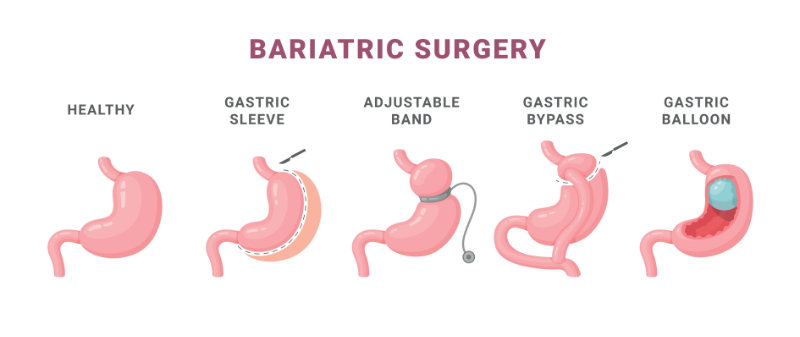
Metabolic/bariatric procedures are classified as either restrictive, malabsorptive, or a combination of the two. Restrictive procedures reduce the size of the stomach to limit food intake. Malabsorptive procedures re-route the small intestine by reducing calorie and other nutrient absorption. Procedures that combine restrictive and malabsorptive features create a smaller stomach and reroute the small intestine, resulting in a more robust caloric deficit.

The most common options for metabolic or bariatric surgery and endoscopic procedures, as endorsed by the ASMBS, include (American Society for Metabolic and Bariatric Surgery [ASMBS], 2025; Public Education Committee, 2021):

  • Sleeve Gastrectomy: Removes approximately 80% of the stomach, leaving a stomach about the size and shape of a banana. Since there is no re-routing of the small intestine, this is considered a primarily restrictive procedure.
  • Roux-en-Y Gastric Bypass (RYGB): The stomach is reduced to a pouch, which is about the size of an egg, and the remainder of the stomach is bypassed. The small intestine is divided, one portion connecting to the new, smaller stomach pouch to allow food to enter the small intestine. The remaining portion attached to the bypassed stomach is then connected downstream to allow gastric acid and digestive enzymes to mix with the food. This procedure is both restrictive and malabsorptive.
  • Biliopancreatic Diversion with Duodenal Switch: This procedure creates a tube-like stomach similar to the sleeve gastrectomy. Then, as in the RYGB, the small intestine is connected to the new, smaller, tube-like stomach to allow the food to divert further down the small intestine. This creates both restrictive and malabsorptive weight loss.
  • Single-anastomosis duodenoileal bypass with sleeve gastrectomy: This procedure is similar to the biliopancreatic diversion with duodenal switch, though it only requires one anastomosis. The stomach is reduced to a smaller, tube-like structure, similar to the sleeve gastrectomy. The small intestine is detached distal to the stomach, and a loop of small intestine is pulled up several feet and attaches to the stomach to allow food to be diverted to the latter part of the small intestine. This is also a combined restrictive and malabsorptive procedure.
  • One-anastomosis gastric bypass: This procedure is also called the “mini gastric bypass” because it has only one anastomosis rather than two. The stomach is reduced to a small pouch as in RYGB.  The small intestine is then detached from the pouch. Further down the small intestine, a loop is pulled upward and attached to the pouch, diverting food to reduce the absorption of calories and nutrients. The remaining stomach is left to divert gastric acid and digestive enzymes, as in RYGB. This is both restrictive and malabsorptive (International Federation for the Surgery and Other Therapies for Obesity [IFSO], n.d.).
  • Adjustable Gastric Band: This is a silicone band placed on the outside of the upper stomach and is tightened to create a pouch above the band. This limits the amount of food the stomach can hold, although it does not affect the passage of food through the gastrointestinal tract. This is a restrictive type of procedure.
  • Intragastric Balloon: This procedure places a balloon in the stomach, which is then inflated to a predetermined size. This restrictive procedure leaves less room for food, resulting in lower caloric intake.
  • Endoscopic Sleeve Gastroplasty: This endoscopic procedure sutures the stomach to reduce its volume by approximately 70%. It is a non-surgical approach to creating restrictive weight loss. For some patients, this minimally invasive procedure is an alternative to a gastric sleeve or RYGB (Cleveland Clinic, 2025).

graphic showing bariatric surgery

Though there are multiple options available for surgical or endoscopic procedures for treating adults living with obesity, most cases consist of the sleeve gastrectomy and RYGB, accounting for more than 90% of cases (Elmaleh-Sachs et al., 2023). These two procedures have long-term efficacy and safety data, with estimated weight loss of approximately 25-30% by 5 years (Elmaleh-Sachs et al., 2023). The weight loss associated with these procedures is related to the restrictive, malabsorptive, or combination effects on the GI tract. It is also influenced by neurohormonal pathways that are interwoven with the gut microbiome (Hamamah et al., 2024).

Procedural Complications

Acute postoperative medical and surgical complications of metabolic/bariatric procedures include surgical site infection, deep vein thrombosis, pulmonary embolism, myocardial infarction, infection, gastrointestinal leak, small bowel obstruction, marginal ulcer, and hemorrhage (Lim, 2025). The subsequent nausea, vomiting, and poor hydration post-operatively can lead to dehydration and acute kidney injury (Lim, 2025).

Postoperatively, a modified diet is required to minimize surgical complications. The diet gradually advances, though it requires long-term dietary modifications. The assistance of a dietitian can help ensure the successful implementation of a healthy diet. It is essential that the patient adhere to the surgeon’s dietary recommendations.

  • Clear liquid diet for the first 1-2 weeks post-op.
  • This will then be advanced to a full liquid diet and then advanced to a puree diet.
  • The long-term bariatric guidelines include:
    • Consume small portions
    • Chew food thoroughly
    • Eat protein first, then vegetables and fruits, keeping a small portion of complex carbohydrates for last
    • Do not drink 30 minutes before or after a meal
    • Chew food completely
    • Eat slowly, taking at least 20 minutes to eat a meal
    • Avoid sugary drinks

Long-term complications of bariatric/metabolic intervention include vitamin and mineral deficiencies and bone loss. Given the rapid weight loss and malabsorption of vitamins and minerals, it is recommended that bone loss be assessed with a bone density test every 2 years (Banerjee et al., 2022). The recommended supplementation after bariatric surgery includes these supplements in addition to a bariatric multivitamin that contains iron, folic acid, copper, selenium, thiamine, and zinc (Banerjee et al., 2022):

  • Calcium Citrate 1200-1500 mg per day in split doses
  • Elemental Iron 40-60 mg per day
  • Vitamin B12 1000 mcg per day
  • Vitamin D3 at least 3,000 IU per day and titrate to a 25-hydroxy-vitamin D level of >30 ng/mL

Dumping syndrome (DS) can be an acute or long-term complication of metabolic/bariatric surgery, which results in post-bariatric hypoglycemia. DS occurs either early, within the first hour after eating, or late, 1-3 hours after eating. It is secondary to the anatomical changes to the GI tract, resulting in a rapid influx of food into the small intestine. This structural alteration in the GI tract results in dysregulation of gastric emptying, incretin secretion, autonomic intestinal control, and vagal nerve damage (Cano et al., 2025). The effects are nausea, diarrhea, abdominal pain, and bloating. DS causes hypoglycemia, resulting in symptoms of weakness, lightheadedness, dizziness, blurred vision, hypotension, and tachycardia. Working closely with a dietician to implement dietary interventions is key to improving this complication. Pharmacologic interventions are used to treat DS, though none are FDA-approved.

Long-term follow-up is recommended at least annually after metabolic/bariatric procedures to evaluate for possible complications, vitamin or mineral deficiencies, and weight regain. The follow-up also highlights the need for multidisciplinary care. Long-term nutritional counseling can help minimize weight regain and ensure adequate intake of micro- and macronutrients. Exercise, including strength training, to maintain muscle and bone strength, can be facilitated by a trainer or physical therapist. Additionally, the use of a mental health professional is vital to the long-term success of weight loss after metabolic/bariatric procedures.

Weight Bias & Stigma

Weight bias is considered the negative attitude of others toward those with obesity regarding their weight. This negative attitude is rooted in the belief that obesity is entirely within one’s control. Weight bias can be attitudes or thoughts that someone is aware of (explicit), or it may be unconscious attitudes or thoughts that someone is unaware of (implicit) (Bannuru & Professional Practice Committee, 2025). Unfortunately, many healthcare providers have explicit and implicit weight bias leading to weight stigma. Weight stigma is the mistreatment of those living with obesity and undervaluing people based on their size. Examples of weight bias include unfair assumptions about obese patients, attributing all symptoms to the patient's weight, disrespectful communication and blame, and using obesity stigmatizing language (Bannuru & Professional Practice Committee, 2025). Weight bias and stigma lead to lower healthcare utilization and worsening clinical and psychological outcomes related to obesity due to the distrust and overall negative healthcare experiences with those living with obesity. As healthcare providers, it is critical to be aware of any explicit or implicit biases within one's own practice.

Language

Person-first or disease-first language can help reduce weight stigma. When discussing a patient who has a BMI that is above normal, it is recommended to say, “person with obesity” and avoid statements like “obese person”. Also, it is recommended to use the classification system for describing obesity based on BMI rather than using terms like morbid or extreme, which have a negative connotation. Language is important when documenting the clinical encounter to ensure positive phrasing, such as avoiding terms such as “treatment failure” or “non-compliant”. These place the blame on the patient for not working hard enough to reach their goal. Words such as “sub-optimal response” or “barriers to adherence” are more patient-forward and less stigmatizing (Bannuru & Professional Practice Committee, 2025).

Before discussing a patient’s weight, ask for permission to do so before moving forward with the conversation. Using the 5 A’s can be helpful in counseling adults living with obesity (Bedosky, 2024):

  • Ask: Ask permission to discuss weight in a non-judgmental approach
  • Assess: Assess the weight, BMI, WC, and obesity stage in a private area. Assess the patient’s readiness for change.
  • Advise: Advise the patient about adverse obesity-related health outcomes and how risk can be lowered with weight loss. Advise on the various treatment options.
  • Agree: Using shared decision making, agree on a patient-centered plan of care, including addressing barriers.
  • Arrange: Arrange for follow-up to evaluate goals. Arrange referral to other healthcare providers as needed.

Supportive Environments

Adults living with obesity experience weight bias and stigma within hospitals and healthcare clinics. It is recommended that these healthcare areas be supportive environments to prevent embarrassment. Healthcare systems and clinics can create a supportive environment by including larger gowns and blood pressure cuffs. Scales must also be large enough to accommodate adults living with obesity and ensure accurate weight measurements. Scales can be placed in private areas to reduce stigma and shame. Providing larger chairs in waiting and exam rooms, as well as appropriately sized exam tables, ensures a comfortable experience and equitable access to care for individuals with obesity.

Conclusion

Obesity is a common chronic health condition amongst adults in the US. Obesity is a complex, chronic disease and is vastly more complicated than the previous calories-in vs calories-out theory. Just as the disease itself is multifactorial, the layers of treatment are varied. However, all options require long-term commitment from the patient and a long-term relationship with the healthcare provider. Using clinical expertise, healthcare providers can assist patients in shared decision-making to identify the most appropriate course of action for weight loss and reduction in obesity-related complications.

Case Study #1

Mr. Perez is a 52-year-old Hispanic male who presents to the primary care clinic for his annual physical examination. He is 6 ft tall and 285 lb. His BMI is 38.6 kg/m², classifying him as having class II obesity. He has a medical history of dyslipidemia, hypertension, OSA, MASLD, osteoarthritis of the knees, and prediabetes. He is currently taking lisinopril 20 mg daily, hydrochlorothiazide 12.5 mg daily, atorvastatin 40 mg daily, and metformin 500 mg twice a day. He uses his CPAP nightly. He has a sedentary job and admits he does not exercise. He does not eat breakfast and relies on fast food for lunch. Dinner is often a dish made of rice and beans. He does not like many vegetables. He drinks 1-2 cans of soda per day.

The physical exam reveals a male patient who appears to be his stated age. He has acanthosis nigricans on the posterior neck with skin tags. His lungs are clear throughout. Cardiac rate and rhythm are normal, without murmur. No S3 or S4 heart sounds heard. The abdomen is obese but non-tender, with no abnormal masses or abdominal bruits. He has a limited range of motion in both knees, with crepitus noted. There is also medial joint line tenderness in both knees.

His lab work and vital signs are as follows:

  • BP: 146/72 mmHg
  • Heart Rate: 64 bpm
  • Fasting Glucose: 105 mg/dL
  • GFR: 83 mL/min/1.73 m² 
  • Hemoglobin A1c: 5.9%
  • LDL: 82 mg/dL
  • Triglycerides: 170 mg/dL
  • Electrolytes and liver function tests are within normal limits
  • CBC within normal limits

After obtaining Mr. Perez's permission to discuss his weight, you present him with the obesity classification chart. He says he has tried to lose weight in the past, but “nothing has ever worked”. He reports that both of his parents were overweight, as are all five of his siblings. He reports his brother just had an MI, and he is afraid that if he does not do something about his weight, he may be next.

You discuss with Mr. Perez his class II obesity and his current obesity-related complications. You also discuss the possibility of worsening complications if weight gain continues. You discuss with him the etiology of obesity, including his genetic predisposition, given his family history of obesity, as well as his high-risk ethnicity. He reports that he is highly motivated to begin making changes but is unsure where to start. With his permission, you offer to refer him to a local dietitian and physical therapy. Before he leaves the office, he makes a goal to reduce soda intake from 1-2 per day to 1-2 per week.

Mr. Perez follows up 3 months later, weighing 278 lb. He has completely discontinued soda and now drinks water or unsweetened tea. He walks twice per week. Despite dietary changes and exercise, he reports that his weight has plateaued. You discuss with him the options for pharmacologic therapy or surgical intervention. He would like to avoid surgery at this time but is very interested in pharmacologic therapy. You discuss the available medications, both short-term and long-term, with Mr. Perez. Using shared decision making, the plan is to start tirzepatide at 2.5 mg subcutaneous once a week and titrate every 4 weeks as tolerated.

He was able to titrate the tirzepatide up to 15 mg once a week. After 6 months on tirzepatide 15 mg once a week, Mr. Perez follows up in the clinic, weighing 225 lb. His vital signs and lab work now demonstrate:

  • BP: 115/62 mmHg
  • HR: 63 bpm
  • Fasting glucose: 82 mg/dL
  • GFR: 89 mL/min/1.73 m² 
  • Hemoglobin A1c: 5.3%
  • LDL: 68 mg/dL
  • Triglycerides: 100 mg/dL
  • Electrolytes and liver function tests are within normal limits
  • CBC within normal limits

He has continued working with the dietician and has found several vegetables that he likes. The dietitian has helped him strike a balance between a healthy diet and his Hispanic heritage in his cooking. Unfortunately, due to osteoarthritis of his knees, he still cannot walk more than two days per week. He plans to undergo bilateral knee replacements soon. He aims to walk a 5k by next summer. He wishes to continue treatment with tirzepatide long-term.

Case Study #2

Wanda is a 45-year-old female who was referred to physical therapy for strengthening, functional training, and weight-loss exercises, primarily because increased body weight had begun to interfere with her daily life. Her primary care physician has medically cleared her for participation in moderately intense exercise.

  • Initial weight: 232 lbs
  • Height: 5’6”
  • Initial BMI: 37.4 (Class 2 Obesity)

During the initial evaluation, Wanda gave the physical therapist permission to discuss her weight and related problems. She reported persistent knee pain when walking, frequent fatigue during moderate activities, and repeated difficulty maintaining exercise routines. She identified three main goals: to lose weight safely, reduce knee discomfort, and build the endurance needed for activities of daily living. Wanda does not currently have access to a gym, but expressed interest in joining one of the nearby low-cost gyms, which also has a heated pool.

The physical therapist conducted a comprehensive assessment that included a functional movement screen, lower-extremity strength testing, resting cardiovascular measurements, and a six-minute walk test in which she covered 380 meters. The evaluation revealed significant deconditioning, weakness in the quadriceps and hip musculature, and low aerobic capacity; factors that contributed to excess joint stress and early fatigue during movement.

A 24-week rehabilitation and conditioning program was designed to address these findings. For the first 12 weeks, the patient attended two supervised sessions per week, transitioning later to one supervised session combined with a structured home program. The strengthening component began immediately and continued throughout the full 24 weeks, focusing on building lower-extremity and core strength to improve joint stability, metabolism, and functional mobility. Early exercises included sit-to-stand progressions, resistance-band hip strengthening, and core stabilization. As Wanda’s tolerance improved, leg-press exercises and progressively higher step-ups were added. Resistance and difficulty increased every 2 to 3 weeks, provided the technique and symptom response remained appropriate.

Aerobic conditioning was introduced concurrently but progressed gradually. During the first month, the patient performed 15–20 minutes of treadmill walking or recumbent cycling at low-to-moderate intensity in the clinic. By weeks 5-12, she was able to sustain 25–35 minutes at moderate intensity. Wanda decided to join her local gym and was able to incorporate the recumbent cycling or treadmill regularly, 3-5 times a week, especially as the frequency of her therapy visits decreased. This helped build consistency and long-term compliance with her new exercise habits. In the final phase of the program, sessions expanded to 35–45 minutes and incorporated interval-based walking or cycling. Intensity was maintained within approximately 50–70% of heart-rate reserve and monitored using perceived-exertion scales to ensure safe progression.

Wanda was also instructed in water exercises for strengthening and aerobic fitness that she could include when her knees were more painful. This allowed her to still incorporate exercise, when she would have previously declined to exercise because of pain.

Behavioral support played a key role in the program’s success. The therapist and patient set weekly activity goals, tracked daily movement using her smartwatch step tracker, and discussed pacing strategies, recovery, and methods for gradually increasing lifestyle activity outside formal exercise sessions. The patient also participated in nutrition counseling through an external referral, helping align dietary changes with the physical activity program.

After 24 weeks, Wanda demonstrated substantial improvements across multiple measures. Her weight decreased to 222 pounds (101 kg), representing a total loss of approximately 37 pounds (17 kg), or 14.4% of her starting body weight. Her BMI declined to 31.5. Functional capacity improved markedly, with her six-minute walk distance increasing from 380 meters to 525 meters. Knee pain, initially rated 6 out of 10, dropped to 2 out of 10, and her weekly physical activity rose from roughly 40 minutes to about 210 minutes.

At the 6-month follow-up, Wanda reported greater confidence exercising independently and maintained most of her weight loss while sustaining an active lifestyle. Several elements contributed to the successful outcome. Early emphasis on strengthening improved joint support and reduced pain, allowing more comfortable participation in aerobic exercise. Gradual cardiovascular progression prevented overexertion and improved adherence, while supervised sessions ensured correct technique and built confidence. Consistent goal tracking and therapist follow-up reinforced accountability and long-term behavior change.

Select one of the following methods to complete this course.

Take TestPass an exam testing your knowledge of the course material.
OR
No TestComplete a course evaluation.

Implicit Bias Statement

CEUFast, Inc. is committed to furthering diversity, equity, and inclusion (DEI). While reflecting on this course content, CEUFast, Inc. would like you to consider your individual perspective and question your own biases. Remember, implicit bias is a form of bias that impacts our practice as healthcare professionals. Implicit bias occurs when we have automatic prejudices, judgments, and/or a general attitude towards a person or a group of people based on associated stereotypes we have formed over time. These automatic thoughts occur without our conscious knowledge and without our intentional desire to discriminate. The concern with implicit bias is that this can impact our actions and decisions with our workplace leadership, colleagues, and even our patients. While it is our universal goal to treat everyone equally, our implicit biases can influence our interactions, assessments, communication, prioritization, and decision-making concerning patients, which can ultimately adversely impact health outcomes. It is important to keep this in mind in order to intentionally work to self-identify our own risk areas where our implicit biases might influence our behaviors. Together, we can cease perpetuating stereotypes and remind each other to remain mindful to help avoid reacting according to biases that are contrary to our conscious beliefs and values.

References

  • American Society for Metabolic and Bariatric Surgery [ASMBS]. (2025). ASMBS endorsed procedures and FDA-approved devices. American Society for Metabolic and Bariatric Surgery. Visit Source.
  • Anekwe, C. V., Ahn, Y. J., Bajaj, S. S., & Stanford, F. C. (2024). Pharmacotherapy causing weight gain and metabolic alteration in those with obesity and obesity-related conditions: A review. Annals of the New York Academy of Sciences, 1533(1), 145-155. Visit Source.
  • Bajaj, S. S., Zhong, A., Zhang, A. L., & Stanford, F. C. (2024). Body mass index thresholds for Asians: A race correction in need of correction?. Annals of Internal Medicine, 177(8), 1127–1129. Visit Source.
  • Banerjee, E. S., Schroeder, R., & Harrison, T. D. (2022). Metabolic surgery for adult obesity: Common questions and answers. American Family Physician, 105(6), 593-601. Visit Source.
  • Bannuru, R. R., & Professional Practice Committee (2025). Weight stigma and bias: Standards of care in overweight and obesity-2025. BMJ Open Diabetes Research & Care, 13(Suppl 1), e004962. Visit Source.
  • Bedosky M. A. (2024) The 5As model: Obesity prevention and management in primary care. Journal of Obesity and Weight-Loss Medication, 10, 049. Visit Source.
  • Cano, R., Rodríguez, D., Duran, P., Cano, C., Rojas-Gómez, D., Rivera-Porras, D., Barboza-González, P., Fuentes-Barría, H., Angarita, L., Boscan, A., & Bermúdez, V. (2025). Dumping syndrome after bariatric surgery: Advanced nutritional perspectives and integrated pharmacological management. Nutrients, 17(19), 3123. Visit Source.
  • Carroll, A. (2025). Occupational Therapy for Sleep Difficulties. OT Potential. Visit Source.
  • Centers for Disease Control and Prevention [CDC]. (2026). Spotting hidden sugars in everyday foods. Centers for Disease Control and Prevention. Visit Source.
  • Centers for Disease Control and Prevention [CDC]. (2024a). Adult obesity facts. Centers for Disease Control and Prevention. Visit Source.
  • Centers for Disease Control and Prevention [CDC]. (2024b). Adult BMI categories. Centers for Disease Control and Prevention. Visit Source.
  • Cleveland Clinic. (2025). Endoscopic sleeve gastroplasty. Cleveland Clinic. Visit Source.
  • Direksunthorn, T. (2025). Sleep and cardiometabolic health: A narrative review of epidemiological evidence, mechanisms, and interventions. International Journal of General Medicine, 18, 5831-5843. Visit Source.
  • De Sena Anchieta Rodrigues, M., De Melo Atanasio, L., Santos, I. K. D., Da Silva, J. C. G., De Araujo Tinoco Cabral, B. G., & Dantas, P. M. S. (2026b). Efficacy of interventions to promote exercise adherence in people with overweight or obesity: a systematic review. Journal of Obesity, 2026(1), 4164477. Visit Source.
  • Dowker-Key, P. D., Jadi, P. K., Gill, N. B., Hubbard, K. N., Elshaarrawi, A., Alfatlawy, N. D., & Bettaieb, A. (2024). A closer look into white adipose tissue biology and the molecular regulation of stem cell commitment and differentiation. Genes, 15(8), 1017. Visit Source.
  • Dua, A., Kumari, R., Singh, M., Kumar, R., Pradeep, S., Ojesina, A. I., & Kumar, R. (2025). Metabolic Dysfunction-Associated Steatotic Liver Disease (MASLD): The interplay of gut microbiome, insulin resistance, and diabetes. Frontiers in Medicine, 12, 1618275. Visit Source.
  • Eisenberg, D., Shikora, S., Aminian, A., Angrisani, L., Cohen, R.V., De Luca, M., Faria, S. L.,  Goodpaster, K. P. S., Haddad, A., Himpens, J. M., Kow, L., Kurian, M., Loi, K., Mahawar, K., Nimeri, A., O’Kane, M., Papasavas, P. K., Ponce, J., Pratt, J. S. A., … Kothari, S. N. (2022). 2022 American Society for Metabolic and Bariatric Surgery (ASMBS) and International Federation for the Surgery of Obesity and Metabolic Disorders (IFSO): Indications for metabolic and bariatric surgery. Surgery for Obesity and Related Diseases, 18(12), 1345 – 1356. Visit Source.
  • Elmaleh-Sachs, A., Schwartz, J. L., Bramante, C. T., Nicklas, J. M., Gudzune, K. A., & Jay, M. (2023). Obesity management in adults a review. JAMA, 330(20), 2000. Visit Source.
  • Emmerich, S. D., Fryar, C. D., Stierman, B., & Ogden, C. L. (2024). Obesity and severe obesity prevalence in adults: United States, August 2021-August 2023. NCHS Data Brief, (508), 10.15620/cdc/159281. Visit Source.
  • Fitch, A. K., Malhotra, S., & Conroy, R. (2024). Differentiating monogenic and syndromic obesities from polygenic obesity: Assessment, diagnosis, and management. Obesity Pillars, 11, 100110. Visit Source.
  • Fröhlich E. (2025). The effects of obesity on lung physiology, the prevalence and severity of chronic pulmonary diseases, and inhalation treatment. Drug Design Development and Theory. 19,11885-11900. Visit Source.
  • Gatto, A., Liu, K., Milan, N., & Wong, S. (2025). The Effects of GLP-1 Agonists on Musculoskeletal Health and Orthopedic Care. Current Reviews in Musculoskeletal Medicine, 18(10), 469–480. Visit Source.
  • Hamamah, S., Hajnal, A., & Covasa, M. (2024). Influence of bariatric surgery on gut microbiota composition and its implication on brain and peripheral targets. Nutrients, 16(7), 1071. Visit Source.
  • Hammer, O., Kuroski, J. A., Bray, E. P., Harris, C., Blundell, A., Schneider, E., & Watkins, C. (2024). Psychological interventions for weight reduction and sustained weight reduction in adults with overweight and obesity: A scoping review. BMJ Open, 14(12), e082973. Visit Source.
  • International Federation for the Surgery and Other Therapies for Obesity (IFSO). (n.d.). One anastomosis gastric bypass. International Federation for the Surgery and Other Therapies for Obesity. Visit Source.
  • Jakicic, J.M., Apovian, C. M., Barr-Anderson, D. J., Courcoulas, A. P., Donnelly, J. E., Ekkekakis, P., Hopkins, M., Lambert, E. V., Napolitano, M. A., & Volpe, S. L. (2024). Physical activity and excess body weight and adiposity for adults. American college of sports medicine consensus statement. Medicine & Science in Sports & Exercise, 56(10), 2076-2091. Visit Source.
  • Jayedi, A., Soltani, S., Emadi, A., Zargar, M., & Najafi, A. (2024). Aerobic Exercise and Weight Loss in Adults. JAMA Network Open, 7(12), e2452185. Visit Source.
  • Jensen, S. B. K., Sørensen, V., Sandsdal, R. M., Lehmann, E. W., Lundgren, J. R., Juhl, C. R., Janus, C., Ternhamar, T., Stallknecht, B. M., Holst, J. J., Jørgensen, N. R., Jensen, J. B., Madsbad, S., & Torekov, S. S. (2024). Bone Health After Exercise Alone, GLP-1 Receptor Agonist Treatment, or Combination Treatment. JAMA Network Open, 7(6), e2416775. Visit Source.
  • Jin, X., Qiu, T., Li, L., Yu, R., Chen, X., Li, C., Proud, C. G., & Jiang, T. (2023). Pathophysiology of obesity and its associated diseases. Acta Pharmaceutica Sinica, 13(6), 2403. Visit Source.
  • Kim, J. U. (2020). Optimal diet strategies for weight loss and weight loss maintenance. Journal of Obesity and Metabolic Syndrome, 30(1), 20-31. Visit Source.
  • Klein, S., Gastaldelli, A., Yki-Järvinen, H., & Scherer, P.E. (2022). Why does obesity cause diabetes? Cell Metabolism, 34(1), 11–20. Visit Source.
  • Kong, Y., Yang, H., Nie, R., Zhang, X., Zuo, F., Zhang, H., & Nian, X. (2025).  Obesity: Pathophysiology and therapeutic interventions. Molecular Biomedicine, 6(25). Visit Source.
  • Lim, R.B. (2025). Metabolic and bariatric operations: Early morbidity and mortality. UpToDate. Retrieved January 4, 2026. Visit Source.
  • Liu, X., He, M., & Li, Y. (2024). Adult obesity diagnostic tool: A narrative review. Medicine, 103(17), e37946. Visit Source.
  • Lopez, P., Taaffe, D. R., Galvão, D. A., Newton, R. U., Nonemacher, E. R., Wendt, V. M., Bassanesi, R. N., Turella, D. J. P., & Rech, A. (2022). Resistance training effectiveness on body composition and body weight outcomes in individuals with overweight and obesity across the lifespan: A systematic review and meta‐analysis. Obesity Reviews, 23(5), e13428. Visit Source.
  • Masood, B., & Moorthy, M. (2023). Causes of obesity: A review. Clinical Medicine, 23(4), 284-291. Visit Source.
  • Meijer, P., Lam, T. M., Vaartjes, I., Moll van Charante, E., Galenkamp, H., Koster, A., Van den Hurk, K., Den Braver, N. R., Blom, M. T., De Jong, T., Grobbee, D. E., Beulens, J. W., & Lakerveld, J. (2024). The association of obesogenic environments with weight status, blood pressure, and blood lipids: A cross-sectional pooled analysis across five cohorts. Environmental Research, 256, 119227. Visit Source.
  • Mikkelsenfi, M., Wilsgaard, T., Grimsgaard, S., Jacobsen, B. K., & Hopstock, L. A. (2025). Tracing obesity from parents to adult offspring: The Tromsø Study 1994–2016. Journal of Obesity, 2025, 8834694. Visit Source.
  • Nadolsky, K., Garvey, W. T., Agarwal, M., Bonnecaze, A., Bartolome Burguera, Chaplin, M. D., Griebeler, M. L., Harris, S. R., Schellinger, J. N., Simonetti, J., Srinath, R., & Volkan Yumuk. (2025). American Association of Clinical Endocrinology Consensus Statement: Algorithm for the evaluation and treatment of adults with obesity/adiposity-based chronic disease – 2025 Update. Endocrine Practice 31(11),1351-1394. Visit Source.
  • Norton, J., Foy, A., Ba, D. M., Liu, G., Leslie, D., Zhang, Y., & Naccarelli, G. V. (2024). Obese patients with new onset atrial fibrillation/flutter have higher risk of hospitalization, cardioversions, and ablations. American Heart Journal Plus: Cardiology Research and Practice, 40, 100375. Visit Source.
  • Novo Nordisk. (2025). Wegovy prescribing information. [Package insert]. Visit Source.
  • Papatriantafyllou, E., Efthymiou, D., Zoumbaneas, E., Popescu, C. A., & Vassilopoulou, E. (2022). Sleep deprivation: Effects on weight loss and weight loss maintenance. Nutrients, 14(8), 1549. Visit Source.
  • Public Education Committee. (2021). Bariatric surgery procedures. American Society for Metabolic and Bariatric Surgery. Visit Source.
  • Taira, K. G., Wang, M., Guo, W., Kam, O., & Kaufmann, T. (2024). Association of cellulitis with obesity: Systematic review and meta-analysis. JMIR Dermatology, 7, e54302. Visit Source.
  • Tasali, E., Wroblewski, K., Kahn, E., Kilkus, J, & Schoeller, D.A. (2022). Effect of sleep extension on objectively assessed energy intake among adults with overweight in real-life settings: A randomized clinical trial. JAMA Internal Medicine, 182(4), 365–374. Visit Source.
  • UpToDate Lexidrug. (2026a).  Liraglutide: Drug information. UpToDate. Visit Source.
  • UpToDate Lexidrug. (2026b).  Semaglutide: Drug information. UpToDate. Visit Source.
  • UpToDate Lexidrug. (2026c). Tirzepatide: Drug information. UpToDate. Visit Source.
  • UpToDate Lexidrug. (2026d). Orlistat: Drug information. UpToDate. Visit Source.
  • UpToDate Lexidrug. (2026e). Phentermine: Drug information. UpToDate. Visit Source.
  • UpToDate Lexidrug. (2026f). Phentermine and topiramate: Drug information. UpToDate. Visit Source.
  • UpToDate Lexidrug. (2026g). Naltrexone and bupropion: Drug information. UpToDate. Visit Source.
  • U.S. Department of Agriculture (USDA). (2026). Dietary guidelines for americans. U.S. Department of Agriculture. Visit Source.
  • Voelker, R. (2025). Medications for obesity. JAMA, 333(1), 96. Visit Source.
  • Ward, Z. J., Willett, W. C., Hu, F. B., Pacheco, L. S., Long, M. W., & Gortmaker, S. L. (2022). Excess mortality associated with elevated body weight in the USA by state and demographic subgroup: A modelling study. EClinicalMedicine, 48, 101429. Visit Source.
  • Wajid, I., Vega, A., Thornhill, K., Jenkins, J., Merriman, C., Chandler, D., Shekoohi, S., Cornett, E. M., & Kaye, A. D. (2023). Topiramate (Topamax): Evolving role in weight reduction management: A narrative review. Life, 13(9), 1845. Visit Source.
  • Wharton, S., Lingvay, I., Bogdanski, P., Duque do Vale, R., Jacob, S., Karlsson, T., Shaji, C., Rubino, D., & Garvey, W.T. (2025). Oral semaglutide at a dose of 25 mg in adults with overweight or obesity. New England Journal of Medicine, 393(11), 1077-1087. Visit Source.
  • World Health Organization (WHO). (2025). Obesity and overweight. World Health Organization. Visit Source.