Sign Up
You are not currently logged in. Please log in to CEUfast to enable the course progress and auto resume features.

Course Library

Asthma Management Across the Lifespan

2 Contact Hours including 2 Advanced Pharmacology Hours
Listen to Audio
CEUfast OwlGet one year unlimited nursing CEUs $39Sign up now
This peer reviewed course is applicable for the following professions:
Advanced Practice Registered Nurse (APRN), Athletic Trainer (AT/AL), Certified Nurse Midwife, Certified Nurse Practitioner, Certified Registered Nurse Anesthetist (CRNA), Certified Registered Nurse Practitioner, Clinical Nurse Specialist (CNS), Licensed Practical Nurse (LPN), Licensed Vocational Nurses (LVN), Midwife (MW), Nursing Student, Occupational Therapist (OT), Occupational Therapist Assistant (OTA), Physical Therapist (PT), Physical Therapist Assistant (PTA), Registered Nurse (RN), Registered Nurse Practitioner, Respiratory Therapist (RT)
This course will be updated or discontinued on or before Friday, March 24, 2028

Nationally Accredited

CEUFast, Inc. is accredited as a provider of nursing continuing professional development by the American Nurses Credentialing Center's Commission on Accreditation. ANCC Provider number #P0274.


Outcomes

≥ 92% of participants will know the current evidence-based practice for safe, effective, and patient-centered care to individuals living with asthma.

Objectives

Upon completion of this course, the learner will be able to:

  1. Define the prevalence and public health impact of asthma
  2. Explain the pathophysiology of asthma as a two-phase process
  3. Identify common triggers and environmental risk factors for asthma
  4. Differentiate asthma from common differential diagnoses, including exercise-induced bronchospasm
  5. Identify various diagnostic tools to confirm asthma
  6. Classify asthma severity and control according to guideline criteria
  7. Outline the pharmacological management of asthma, including severe exacerbations
  8. Plan nonpharmacological strategies for asthma management
CEUFast Inc. and the course planning team for this educational activity do not have any relevant financial relationship(s) to disclose with ineligible companies whose primary business is producing, marketing, selling, re-selling, or distributing healthcare products used by or on patients.

Last Updated:
  • $39 Unlimited Access for 1 Year
    (Includes all state required Nursing CEs)
  • No Tests Required
    (Accepted by most states & professions)
  • Instant Reporting to CE Broker
  • Instant Access to certificates of completion
Logo Audio
Now includes
Audio Courses!
Learn More
Restart
Restart
  • 0% complete
Hide Outline
Playback Speed

Narrator Preference

(Automatically scroll to related sections.)
Done
Asthma Management Across the Lifespan
0:00
0:15
 
To earn a certificate of completion you have one of two options:
  1. Take test and pass with a score of at least 80%
  2. Reflect on practice impact by completing a course evaluation.
    (NOTE: Some approval agencies and organizations require you to take a test and the course evaluation is NOT an option.)
Author:    Sarah Schulze (MSN, APRN, CPNP, PMHS, CLC)

Purpose

The purpose of this course is to provide nurses and healthcare professionals with a comprehensive understanding of asthma’s pathophysiology, presentation, diagnostic criteria, and management, addressing a common gap in practice where asthma is frequently underdiagnosed, misclassified, or inadequately controlled. This course equips learners to differentiate asthma from similar conditions, tailor care across age groups, and respond effectively in both outpatient and acute settings.

Introduction

Asthma is a highly prevalent, chronic inflammatory disease of the airways characterized by variable and reversible airflow obstruction. Asthma presents with symptoms such as wheezing, cough, chest tightness, and shortness of breath that can range from mild to life-threatening. Despite advances in treatment, asthma continues to be underdiagnosed, often poorly controlled, and a significant cause of emergency visits and hospitalizations. Asthma continues to be underdiagnosed, partially because it presents with symptoms that have a broad differential diagnosis, the physical examination may be normal, and the predominant clinical tests may also be normal unless the patient is experiencing an exacerbation (Kavanagh et al., 2019). Asthma is uncontrolled in approximately 50% of children and 62% of adults (Pate & Zahran, 2024).

Understanding asthma requires not only recognition of its hallmark symptoms but also a deeper grasp of its complex pathophysiology, diagnostic challenges, and the interplay of pharmacologic and nonpharmacologic management strategies. This course explores evidence-based practices that enable clinicians to provide safe, effective, and patient-centered care to individuals living with asthma.

Epidemiology

Asthma affects millions of people worldwide and represents a major public health concern. Globally, it is estimated that more than 260 million people live with asthma, and the disease contributes significantly to disability-adjusted life years (DALYs) (World Health Organization [WHO], 2024).

In the United States, asthma remains a significant public health concern, with 24.9 million people affected in 2021, about 7.7% of the population (Centers for Disease Control and Prevention [CDC], 2023). Trends over the past two decades show that overall prevalence has increased slightly, rising from 7.4% in 2001 to 7.7% in 2021 (CDC, 2023). Notably, asthma prevalence among adults increased during this period, while the prevalence among children (ages 0 - 17) declined, particularly after 2010. These contrasting trends suggest that while asthma remains common in youth, public health and clinical interventions may be contributing to improved diagnosis and control in pediatric populations, even as adult asthma continues to pose challenges (CDC, 2023).

Risk factors for asthma are multifactorial, including both genetic and environmental factors. A family history of asthma or allergies is a strong predictor, pointing to a hereditary component. Environmental exposures such as allergens (dust mites, pet dander, mold, pollen), air pollutants, secondhand smoke, and respiratory infections during childhood increase risk. Occupational exposures to irritants and chemicals also contribute, especially in adults. Obesity has been identified as both a risk factor and a complicating factor, as it is associated with more severe asthma and reduced responsiveness to standard therapies. Importantly, asthma is characterized by chronic airway inflammation, airway hyperresponsiveness, and intermittent obstruction, though the mechanisms vary across phenotypes (NHLBI, 2024).

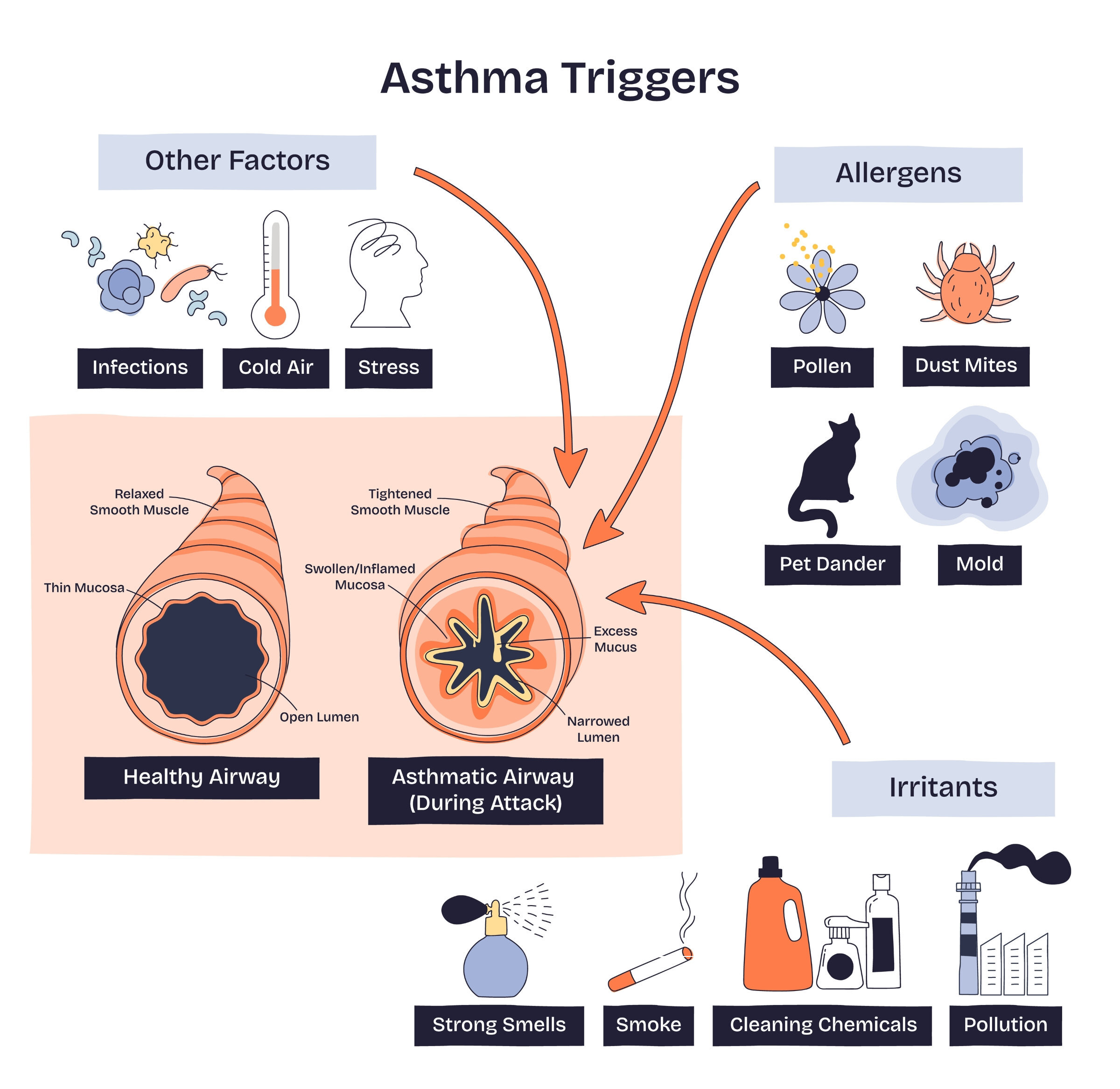
Asthma Triggers

graphic showing asthma triggers

(*Please click on the image above to enlarge.)

According to the CDC report, women have a higher prevalence than men, a pattern most pronounced in adulthood. By race and ethnicity, non-Hispanic Black individuals and Puerto Ricans experience disproportionately higher rates of asthma compared to non-Hispanic White and Mexican American populations (CDC, 2023). These demographic disparities highlight the influence of social determinants of health in asthma epidemiology. Low-income populations are disproportionately affected. This may be due to increased exposure to environmental triggers such as poor housing conditions, pests, mold, and indoor air pollutants. Urban communities often experience higher asthma rates, partly due to traffic-related air pollution and limited access to green spaces. Racial and ethnic minorities experience higher prevalence, worse control, and greater hospitalization and mortality rates compared to white populations (CDC, 2023; NHLBI, 2024).

Additionally, access to healthcare, health literacy, housing quality, and environmental changes play critical roles in asthma prevalence and outcomes. Children in households with limited access to consistent medical care are less likely to receive preventive treatments, leading to higher emergency department visits and hospitalizations. Inadequate insurance coverage can also delay diagnosis or limit access to inhaled corticosteroids. Ultimately, while genetics and biology lay the foundation for asthma risk, social and environmental factors shape its epidemiology and outcomes on a population level (NHLBI, 2024).

Pathophysiology

The pathophysiology of asthma can be described as a two-step process involving both immediate and delayed immune responses following exposure of the airway epithelium to allergens or irritants. When the airway epithelium is exposed to an antigen, the immune system initiates a cascade of events designed to protect the individual, but in asthma, these mechanisms become exaggerated and cause more harm than good. This dysregulated immune response results in airway inflammation, hyperresponsiveness, and remodeling over time.

Immediate Response

The immediate response begins when antigens come in contact with the airway epithelium, leading to immune activation of T helper cells. These cells secrete cytokines, which signal B lymphocytes to produce antigen-specific IgE antibodies. IgE binds to receptors on mast cells, and when the person is re-exposed to the antigen, these mast cells rapidly degranulate, releasing inflammatory mediators like histamine, bradykinin, leukotrienes, prostaglandins, platelet-activating factor, and interleukins. The release of these mediators triggers a cascade of vascular and smooth-muscle effects, including:

  • Vasodilation
  • Increased capillary permeability
  • Mucosal edema
  • Bronchospasm
  • Increased airway mucus secretion. 

Clinically, this manifests as acute-onset wheezing, chest tightness, and shortness of breath. While this acute onset can resolve spontaneously or with treatment, it leaves the airway primed for further inflammation (Brashers et al., 2025).

Delayed Response

The delayed response, also called the late-phase reaction, develops hours after initial exposure. It is driven by IL-5 and other cytokines that recruit eosinophils, neutrophils, and lymphocytes into the airway tissues. Eosinophils play a particularly destructive role by releasing toxic proteins that damage epithelial cells, leading to tissue injury. This influx of inflammatory cells increases airway edema and mucus secretion while leukotrienes sustain prolonged smooth muscle contraction, contributing to ongoing bronchoconstriction. Over time, repeated episodes of inflammation and injury promote fibroblast activation, airway wall thickening, and eventual scarring. The cilia lining the airways become damaged, further impairing mucus clearance and worsening obstruction from mucus plugging (Brashers et al., 2025).

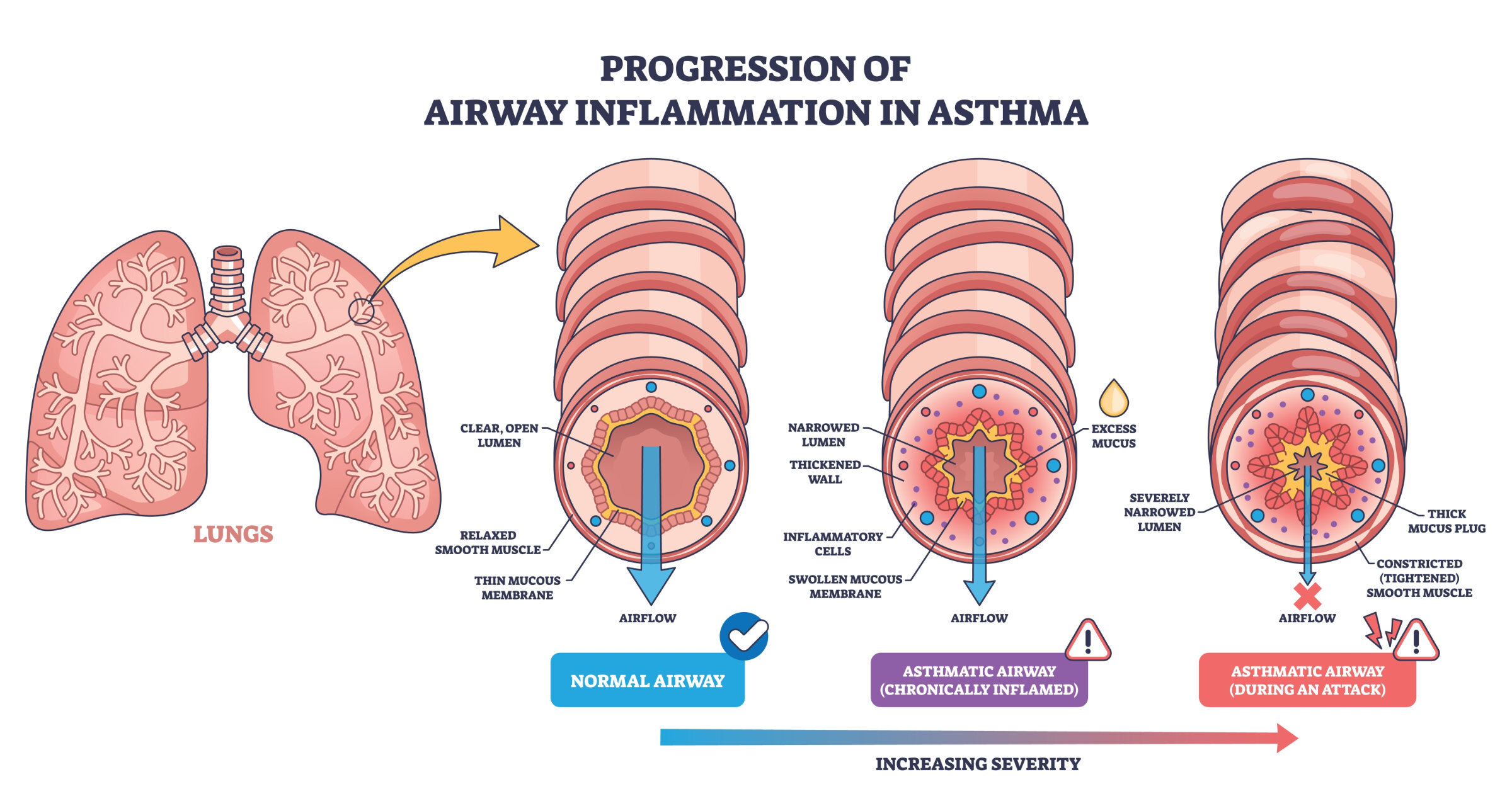
Progression of Airway Inflammation in Asthma

graphic showing progression of airway inflammation in asthma

(*Please click on the image above to enlarge.)

Together, these immediate and delayed responses create the progression of asthma. The immediate response is dominated by mast cell degranulation and acute bronchoconstriction, while the delayed response reflects persistent inflammation, immune cell recruitment, and structural airway changes. The interplay between these two phases results in airway hyperresponsiveness, recurring symptoms, and, if uncontrolled, long-term remodeling that makes the disease more difficult to treat (Brashers et al., 2025).

Connection to Atopy

Asthma is closely linked to atopy, a genetic tendency to develop allergic diseases such as eczema, allergic rhinitis, and food allergies. This relationship is part of what is often referred to as the “atopic march”. This is where children with early allergic conditions like eczema or food allergy are more likely to develop allergic rhinitis and asthma as they grow older. The shared underlying mechanism is an exaggerated Type 2 helper T cell-mediated immune response, leading to increased production of IgE antibodies and heightened airway inflammation when exposed to allergens. Children with comorbid atopic conditions not only face a higher risk of developing asthma but also tend to have a more severe disease and exacerbations triggered by environmental exposures.

The presence of eczema and allergies serves as an important clinical clue for asthma risk. Infants and young children with moderate to severe eczema are significantly more likely to develop asthma later in childhood, especially if they also have sensitization to airborne allergens.  Similarly, children with allergic rhinitis often experience overlapping symptoms such as nasal congestion and cough, which can worsen asthma control and increase the frequency of exacerbation.  Recognizing this connection is critical for clinicians, as early identification of at-risk children provides opportunities for closer monitoring, early initiation of controller therapy, and aggressive management of comorbid atopic diseases (Asthma and Allergy Foundation of America [AAFA], 2022).

Presentation

Presentation of asthma can vary depending on age, severity, and the setting in which symptoms arise, but it typically involves a combination of chronic and acute manifestations.

Acute presentation is characterized by sudden exacerbations or “asthma attacks,” during which symptoms become more severe and may include pronounced wheezing, tachypnea, use of accessory muscles for breathing, or difficulty speaking in full sentences. In severe cases, cyanosis, confusion, or “silent chest” are ominous findings that require immediate intervention (Brashers et al., 2025).

Chronic symptoms often include a persistent or recurrent cough (which may be worse at night or early morning), wheezing, shortness of breath, and chest tightness. These symptoms tend to fluctuate in frequency and intensity, and patients often report that they are triggered by specific exposures such as allergens, respiratory infections, exercise, or changes in weather (Brashers et al., 2025).

In children, asthma may present subtly, especially in its chronic form. Parents often report a recurring cough, particularly at night, after play, or following respiratory infections. Wheezing may be heard intermittently, but in some children, cough is the predominant or only symptom, leading to a diagnosis of “cough variant asthma.” Reports of recurrent episodes of “bronchitis” or “pneumonia” may also suggest undiagnosed asthma. During acute exacerbations, children may present with rapid breathing, retractions, nasal flaring, and difficulty speaking or feeding. Because children may struggle to describe their symptoms, clinicians rely heavily on parental reports of coughing patterns, nighttime awakenings, and response to bronchodilators (Martin et al., 2022).

One useful tool for evaluating asthma in pediatric patients is the Childhood Asthma Control Test (C-ACT), an evidence-based questionnaire designed for children ages 4 to 11. The C-ACT combines the child's self-reported responses (with pictorial response options to aid understanding) and input from the parent or caregiver. Questions focus on the frequency of symptoms such as coughing, wheezing, nighttime awakenings, activity limitations, and the need for rescue inhaler use over the previous four weeks. Each response is scored, and the total score helps determine whether the child’s asthma is well controlled, not well controlled, or poorly controlled. A score of 19 or less generally indicates that asthma is not adequately controlled and may warrant a step-up in therapy, re-evaluation of environmental triggers, or evaluation of treatment adherence. The simplicity and reliability of the C-ACT make it a valuable tool for clinicians, as it provides structured insight into the child’s daily symptom burden and quality of life, supporting both diagnosis and ongoing management (Martin et al., 2022; van Dijk et al., 2020).

In adults, asthma is often easier to recognize by the pattern of wheezing, chest tightness, and variable breathlessness. Adults may describe episodic symptoms that interfere with sleep, physical activity, or work performance. A thorough history should include questions about occupational exposures (e.g., dust, fumes, or chemicals), smoking status, and environmental triggers at home. Adults with asthma often have comorbidities such as allergic rhinitis, gastroesophageal reflux disease (GERD), or obesity, which can complicate presentation and control. Clinicians assessing adults should document the frequency of daytime and nighttime symptoms, the use of rescue inhalers, and any limitations in daily activities, as this information is key to classifying asthma severity and guiding treatment decisions.

Across all age groups, critical assessment data for clinicians include vital signs (respiratory rate, oxygen saturation, heart rate), auscultation findings (wheezing, decreased air entry), and the presence of accessory muscle use, tripod position, or retractions. History-taking should emphasize symptom variability, triggers, family history of asthma or allergies, and response to previous treatments. Identifying patterns such as worsening symptoms at night, improvement after bronchodilator use, or exacerbations linked to allergens provides strong clues toward the diagnosis. Collectively, these clinical observations form the foundation for confirming asthma with objective testing (Brashers et al., 2025).


Diagnosis

Diagnostic Criteria

Asthma is diagnosed primarily through a combination of clinical evaluation and objective testing, as there is no single definitive test. The diagnostic criteria typically include a history of recurrent, reversible respiratory symptoms such as wheezing, coughing (especially at night or early morning), shortness of breath, and chest tightness that vary over time and intensity. One hallmark of asthma is the presence of variable and reversible airflow limitation. This means that lung function can fluctuate and improve with bronchodilator therapy. Clinicians also look for a pattern of symptom triggers that strongly suggest asthma rather than another respiratory disorder, such as allergens, exercise, cold air, or respiratory infections.

Diagnostic Testing

Diagnostic testing is essential for confirming asthma, particularly because symptoms alone can overlap with many other respiratory and cardiac conditions.

Spirometry

Spirometry remains the gold standard for diagnosis and is recommended for all patients aged 5 years and older who are suspected of having asthma. During the test, the patient takes a deep breath and then exhales forcefully into a mouthpiece connected to the spirometer, which records airflow and lung volumes. This is done both before and after administration of a bronchodilator to compare function.

Two key measurements are obtained:

  1. Forced Vital Capacity (FVC): The total amount of air exhaled after a full inhalation
  2. Forced Expiratory Volume in one second (FEV1): The volume exhaled in the first second of the maneuver.

The ratio of FEV1 to FVC (FEV1/FVC) helps determine the presence of airway obstruction.

In asthma, a reduced FEV1 and FEV1/FVC ratio indicates airway obstruction, and a post-bronchodilator increase in FEV1 of ≥12% and ≥200 mL is considered diagnostic of reversible airflow limitation. This reversibility is one of the hallmark features that distinguish asthma from other chronic lung diseases, such as COPD (AAFA, 2024).

Peak Expiratory Flow (PEF)

For patients with intermittent symptoms, spirometry may appear normal between episodes, making asthma difficult to confirm. In these cases, Peak Expiratory Flow (PEF) monitoring is particularly useful for diagnosis. A peak flow meter is a handheld device that measures the maximum speed of expiration, providing an objective way to detect variability in airflow limitation. By recording PEF values several times daily over 1 - 2 weeks, clinicians can assess fluctuations that are consistent with asthma, especially if values improve with bronchodilator use. Establishing a patient’s “personal best” baseline is essential, since PEF varies by age, sex, and height. Significant variability, typically more than 20% between readings or compared with baseline, supports the diagnosis of asthma and helps differentiate it from other chronic respiratory conditions (American Lung Association [ALA], 2024).

Bronchoprovocation

Bronchoprovocation testing is a diagnostic method used when routine spirometry is inconclusive, but asthma is still suspected. In this test, the patient inhales an agent such as methacholine (a direct smooth muscle agonist) or mannitol (an osmotic trigger that stimulates release of inflammatory mediators), both of which can provoke bronchoconstriction in susceptible individuals. The test measures the concentration of the agent required to cause a significant drop in FEV1; a 20% or greater reduction is considered a positive result, indicating airway hyperresponsiveness. Exercise or cold air challenge tests may also be used, particularly in athletes or individuals whose symptoms are primarily exertional. These tests assess whether physical activity or inhaling cold, dry air triggers bronchoconstriction, helping to confirm exercise-induced bronchoconstriction. This form of testing is always done in a controlled environment with close monitoring due to the risk of severe bronchospasm (Cockcroft et al., 2020).

Fractional Exhaled Nitric Oxide

More recently, measurement of fractional exhaled nitric oxide (FeNO) has emerged as a noninvasive biomarker of eosinophilic airway inflammation. Elevated FeNO levels reflect type 2 inflammation and are strongly associated with responsiveness to inhaled corticosteroids, making this test useful for both confirming a diagnosis of asthma and adjusting therapy. FeNO can also help monitor treatment adherence and detect ongoing inflammation, even when symptoms are minimal, thereby guiding long-term corticosteroid use (Sen et al., 2023).

Imaging

Imaging studies, such as chest X-rays or CT scans, are typically normal in patients with asthma.  Yet imaging can be useful for ruling out structural lung disease, pneumonia, a foreign body, or other pulmonary pathology.

Differential Diagnoses

Because asthma is a clinical syndrome rather than a single disease, clinicians must carefully consider differential diagnoses to avoid misdiagnosis and inappropriate treatment.

Adults

For adults, the following conditions must be considered and ruled out:

  • Chronic Obstructive Pulmonary Disease (COPD): COPD presents with symptoms similar to asthma, such as chronic cough, wheezing, shortness of breath, and chest tightness. However, COPD can be differentiated by its typically progressive course, limited reversibility with bronchodilators, later onset in life, and strong association with smoking or long-term exposure to noxious particles and gases.
  • Vocal Cord Dysfunction: Vocal cord dysfunction can also mimic asthma, with wheezing and dyspnea that are often worse during inspiration rather than expiration. Laryngoscopy with this condition may reveal paradoxical vocal cord movement.  This is also known as Paradoxical Vocal Cord Dysfunction (PVCD) and is often misdiagnosed as exercise-induced Asthma.
  • Heart Failure: Heart Failure can present with wheezing and shortness of breath due to pulmonary congestion, but it is usually accompanied by orthopnea, paroxysmal nocturnal dyspnea, and radiographic signs of fluid overload. Other considerations include pulmonary embolism, which can cause acute shortness of breath and chest tightness, and occupational exposures, such as inhaled irritants, which may present with work-related symptom patterns.
  • Bronchial/Tracheal Lesions: Bronchial or tracheal lesions such as benign or malignant tumors, strictures, or post-intubation stenosis can mimic asthma by causing wheezing, cough, and dyspnea due to partial airway obstruction. Unlike asthma, however, these lesions typically produce localized or persistent wheezing that does not respond to bronchodilators, and diagnosis is usually confirmed by imaging or bronchoscopy (Morris, 2024).

Children

For children, alternative diagnoses often reflect developmental and infectious causes.

  • Bronchiolitis: Recurrent viral bronchiolitis is common in younger children and can produce wheezing episodes similar to asthma, but it often improves with age. Unlike asthma, bronchiolitis typically does not respond to bronchodilators because the underlying airway obstruction is due to inflammation and edema of the small bronchioles rather than smooth muscle constriction.
  • Congenital Airway Anomalies: Congenital airway anomalies, such as tracheomalacia or vascular rings, may cause recurrent wheezing or stridor that does not respond to asthma medications.
  • Foreign Body: Foreign body aspiration should be considered in toddlers and young children with sudden-onset cough, unilateral wheezing, or recurrent pneumonia localized to one lobe. Chest radiography may reveal air trapping, localized hyperinflation, atelectasis, or the object itself, which can help support the diagnosis.
  • Chronic Respiratory Conditions: Conditions such as cystic fibrosis can also mimic asthma with recurrent cough and wheezing, but typically present with other systemic signs, such as poor growth or frequent sinus and lung infections, and can be confirmed through diagnostic testing such as a sweat chloride test or genetic testing for CFTR mutations (Sharma, 2024).

Asthma Classification

Asthma is classified based on several key dimensions: severity, control, and phenotype. These categories help guide treatment decisions, predict prognosis, and tailor therapy to the individual patient. Severity reflects the intrinsic intensity of the disease before treatment, while control reflects how well symptoms are managed with current therapy. Phenotyping, a more recent development, categorizes asthma into biologically or clinically distinct subtypes that may respond differently to targeted therapies.

Classification of Asthma Severity

Asthma severity is traditionally classified into four categories and is based on symptom frequency, nighttime awakenings, use of rescue inhalers, limitations of activity, and spirometry results (FEV1 and FEV1/FVC ratio) (Merck Manual Professional Version, 2025).

  1. Intermittent: Intermittent asthma is the least severe form. It is characterized by daytime symptoms occurring fewer than two days per week, nighttime symptoms occurring fewer than two nights per month, minimal interference with normal activity, and normal lung function between episodes.
  2. Mild Persistent: Mild persistent asthma involves symptoms more than two days per week but not daily, nighttime symptoms three to four times per month, minor limitations in activity, and FEV₁ values within normal or near-normal range.
  3. Moderate Persistent: Moderate persistent asthma is marked by daily symptoms. These include nighttime awakenings more than once per week, daily use of rescue inhalers, and measurable limitation in activity, with FEV1 between 60% and 80% of predicted.
  4. Severe Persistent: Severe persistent asthma presents with symptoms throughout the day, frequent nighttime awakenings (often nightly), use of rescue medications several times a day, severe activity limitation, and FEV1 less than 60% of predicted.

Classification of Asthma Control

Emphasized in more recent guidelines, asthma control classification assesses the effectiveness of ongoing treatment. Control is generally categorized as (GINA, 2020):

  • Well controlled
  • Partly Controlled
  • Very poorly controlled/Uncontrolled

Criteria include daytime symptom frequency, nighttime awakenings, need for rescue medication, limitations in daily activities, and objective measures such as lung function or peak flow. A patient whose asthma was initially moderate persistent may become well controlled with appropriate therapy. This approach also allows clinicians to systematically step up or step down therapy, aligning with guideline-directed management.

Table 1: Assessment of Control of Asthma (adapted from GINA, 2020)
In the past 4 weeks, has the patient had: y/nWell ControlledPartly ControlledUncontrolled
  • Daytime symptoms more than twice/week
  • Any night waking due to asthma
  • SABA reliever needed more than twice/week
  • Any activity limitation due to asthma
None of these1-2 of these3-4 of these

Phenotypes and Endotypes of Asthma

Beyond severity and control, asthma is increasingly understood in terms of phenotypes and endotypes. Phenotypes include allergic asthma (often beginning in childhood with atopy and elevated IgE), nonallergic asthma, late-onset asthma, obesity related asthma, and asthma with persistent airflow limitation.

Endotyping goes further by identifying distinct molecular pathways, such as type 2 inflammation mediated by IL-4, IL-5, and IL-13, versus non-type 2 asthma. These classifications are typically made using a combination of clinical history, pulmonary function testing, and laboratory markers such as serum IgE levels, blood eosinophil counts, and exhaled nitric oxide FeNO. Because this level of evaluation goes beyond standard primary care, phenotyping and endotyping are most often performed by pulmonologists, allergists, or immunologists, who can integrate advanced diagnostic tools and determine eligibility for targeted biologic therapies. A phenotype and endotype classification can be useful in guiding biologic therapies, such as omalizumab for IgE mediated disease or mepolizumab for eosinophilic asthma (Kuruvilla et al., 2019).

Asthma Management

Once asthma has been classified, a multimodal treatment approach is essential to achieve optimal control and prevent long-term complications. This approach integrates pharmacologic therapy with nonpharmacologic interventions and should be individualized for each unique patient. Further discussion of management strategies is below.

Nonpharmacological Management

Management of asthma often starts with nonpharmacological methods to reduce exposure to triggers, monitoring disease activity, and promoting long-term control. Appropriate nonpharmacological management can improve the efficacy or even reduce the intensity of pharmacological management needed.

Of highest priority is identifying and avoiding asthma triggers, which vary from person to person but often include allergens such as dust mites, mold, pollen, animal dander, and cockroach debris, as well as irritants like tobacco smoke, air pollution, strong odors, and cold air. Respiratory infections and exercise can also precipitate exacerbations. Careful history-taking and, when indicated, allergy testing can help patients identify their specific triggers and develop individualized strategies to reduce exposure.

Household modifications play a central role in trigger control. For dust mites, patients can use allergy-proof mattress and pillow covers, wash bedding in hot water weekly, and remove carpeting where possible, possibly replacing carpet with hard flooring.Controlling humidity below 50% can reduce mold growth, while promptly fixing leaks and ensuring proper ventilation further limits exposure. For those sensitive to pet dander, keeping pets out of bedrooms, frequent bathing and grooming, or, in some cases, rehoming the pet may be necessary. Daily antihistamines during high-pollen-count periods, keeping windows closed, and washing children’s faces and hands after outdoor play can be helpful for those with environmental allergies. Eliminating exposure to secondhand smoke and reducing the use of indoor irritants such as aerosol sprays, scented candles, or wood-burning stoves are also effective strategies. In urban areas with high outdoor air pollution, patients may be advised to limit outdoor activity during peak pollution hours or high pollen days (Buttaro et al., 2025).

Another key element to asthma management is self-monitoring with a peak flow meter at home. Recording daily or twice daily PEF values helps identify early declines in airflow before symptoms worsen, allowing patients to adjust their management plan according to their clinician’s instructions. Many asthma action plans use a “zone system” (green, yellow, red) to guide patients: values close to baseline indicate good control, moderate reductions suggest caution and possible medication adjustment, and severe reductions signal the need for urgent medical care. This proactive approach not only improves control but also reduces emergency visits by encouraging early intervention (ALA, 2024; Buttaro et al., 2025).

Other important nonpharmacological strategies include patient education and lifestyle modifications. Regular physical activity is encouraged, as it improves lung function and overall health, though exercise-induced asthma may require pretreatment with bronchodilators. Instruction in breathing retraining exercises, such as diaphragmatic breathing, can complement medication use (Exercise Induced Asthma, 2024) and help with weight management and reduce asthma severity in individuals with obesity. Stress management and adequate sleep are also helpful, since both psychological stress and fatigue can worsen asthma control. When combined with appropriate pharmacologic therapy, these interventions support a holistic approach to asthma management that improves both day-to-day functioning and long-term outcomes (Buttaro et al., 2025).

Nurses, physical therapists (PTs) (especially those specializing in pulmonary rehabilitation), and athletic trainers (ATs) all play key roles in educating patients about non-pharmacologic asthma management.

Pharmacological Management

Asthma Controller Medications

The stepwise approach to asthma management is a guideline-based framework that tailors medication therapy to a patient’s symptom severity and control. The goal is to achieve the lowest effective medication dose that maintains control, while adjusting treatment upward (“step up”) during times of poor control and downward (“step down”) when stable. This approach is grounded in the two-step pathophysiology of asthma: the immediate phase, driven by acute bronchoconstriction and mediator release, and the delayed phase, characterized by chronic inflammation, eosinophil recruitment, and airway remodeling. Understanding this dual process is crucial, as it explains why treatment must address both rapid symptom relief and long-term control of airway inflammation.

  • Step 1 is for patients with intermittent asthma. In both adults and children, this often begins with an inhaled short-acting beta₂ agonist (SABA), such as albuterol (Ventolin), used as needed for quick relief of bronchospasm. This step also includes the as-needed use of a SABA prophylactically 5 to 20 minutes before exercise to prevent exercise-induced bronchoconstriction. Teaching patients proper inhaler technique ensures they receive the full benefit of prescribed medications. 
    • *Recent GINA guidelines (discussed later) also recommend low-dose inhaled corticosteroid (ICS)- formoterol used as needed, which targets both bronchospasm (through formoterol’s rapid onset) and inflammation (through the ICS component). This differs from the current National Asthma Education and Prevention Program (NAEPP) guidelines.
  • Step 2 involves adding a daily low-dose ICS (budesonide [Pulmicort], fluticasone [Flovent], beclomethasone [QVAR Redihaler]) for long-term control, while continuing SABA as needed. In children, this step is often where treatment begins if symptoms are more than occasional, since ICSs are the most effective long-term controllers of airway inflammation. Alternative but less preferred options include leukotriene receptor antagonists (LTRAs) such as montelukast (Singulair), which is particularly useful in children with allergic rhinitis, exercise-induced asthma, or those who cannot tolerate ICS.
  • Step 3 therapy escalates to a combination of low-dose ICS plus a long-acting beta₂ agonist (LABA), such as salmeterol or formoterol, usually delivered in fixed-dose inhalers (fluticasone/salmeterol [Advair], budesonide/formoterol [Symbicort]). For some patients, a medium dose ICS alone may also be considered. This step is generally indicated for patients with persistent symptoms despite Step 2 treatment. Children under 12 are more likely to advance to medium-dose ICS rather than ICS/LABA combination therapy, as safety and efficacy data for LABAs in younger children are more limited.
  • Step 4 and beyond involve further intensification, such as medium to high dose ICS/LABA combinations, addition of long-acting muscarinic antagonists (LAMA) like tiotropium (Spiriva), or systemic corticosteroids in severe, refractory cases. For patients with severe allergic or eosinophilic asthma, biologic therapies may be used, including omalizumab (Xolair) for IgE-mediated asthma, mepolizumab (Nucala), reslizumab (Cinqair), or benralizumab (Fasenra) for eosinophilic phenotypes, and dupilumab (Dupixent) for type 2 inflammation. These agents are given via subcutaneous injection or intravenous infusion and target specific immune pathways central to the late-phase response, reducing exacerbations and steroid dependence (Burchum & Rosenthal, 2025).

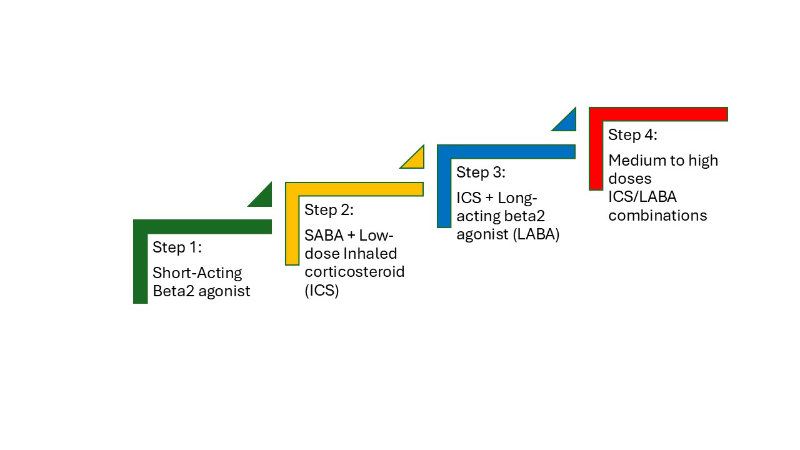
Step-up Treatment of Asthma

graphic showing step up asthma treatment

Clinical Pearl: LABAs

It is important to note that LABAs should never be used as a monotherapy in asthma. While they provide prolonged bronchodilation and symptom relief, they do not address the underlying airway inflammation. This unchecked inflammation and symptom masking can lead to severe exacerbations that go undetected by patients. Studies have shown an increased risk of asthma-related death when LABAs are used without an accompanying inhaled corticosteroid.

The stepwise approach differs slightly between children and adults in terms of medication preference and safety considerations. Children are more likely to begin treatment with ICS earlier, as LTRAs are sometimes preferred over LABAs for safety reasons. Monitoring growth is important in children on long-term ICS therapy, though the benefits in controlling inflammation generally outweigh the risks. Adults, on the other hand, often require earlier introduction of combination ICS/LABA therapy if symptoms are persistent, and comorbidities such as COPD or cardiovascular disease may influence drug choice (Burchum & Rosenthal, 2025).

Medications for Asthma Exacerbation

For mild to moderate asthma exacerbations, outpatient management can be highly effective when combined with close follow-up. In these cases, patients may be treated with a short “burst” of oral corticosteroids, such as prednisone or prednisolone (Orapred), typically prescribed for 5 to 10 days. This approach rapidly reduces airway inflammation, restores responsiveness to bronchodilators, and helps prevent relapse of symptoms.

Tapering of corticosteroids is generally not required if the course is 10 days or less, as adrenal suppression is unlikely with short-term use. However, if therapy is extended beyond 10 days, tapering should be considered to allow the hypothalamic pituitary adrenal (HPA) axis to recover and to avoid withdrawal symptoms. Outpatient care should also emphasize frequent use of inhaled SABAs as needed, monitoring of peak expiratory flow, and reinforcement of the patient’s asthma action plan to ensure early recognition of worsening symptoms (Burchum & Rosenthal, 2025).

Mechanism of Asthma Medications

Understanding the mechanisms of action of asthma medications is essential for clinicians. While this is not a pharmacology course, a brief description of each class’s mechanism of action will improve clinician understanding and guide safe prescribing, patient education, and recognition of potential side effects.

SABAs act on beta2 adrenergic receptors in the airway smooth muscle. These receptors are typically stimulated by catecholamines like epinephrine and norepinephrine. In a fight or flight response, the airways dilate to improve respiration and meet increased oxygen demand. By binding to those same receptors, SABAs mimic that sympathetic nervous system response and lead to rapid relaxation of bronchial smooth muscle. This results in quick bronchodilation and relief of acute symptoms like wheezing, chest tightness, and shortness of breath.

LABAs act on the same receptors as SABAs but have a longer duration of action (12 hours or more). By providing sustained bronchodilation, they reduce nighttime symptoms and improve lung function.

ICSs bind to intracellular glucocorticoid receptors, suppressing pro-inflammatory cytokines (IL-4, IL-5, IL-13) and enhancing anti-inflammatory proteins. This reduces airway inflammation, decreases mucosal edema, and limits mucus secretion, leading to improved airway responsiveness and fewer exacerbations.

Systemic corticosteroids share the same mechanism as ICSs but act throughout the body. They are powerful suppressors of inflammation and immune activity, used for acute exacerbations or severe refractory asthma. Because of significant side effects, they are reserved for short-term use or as a last-line option.

LTRAs block leukotriene D4 receptors in the airway. Leukotrienes are potent inflammatory mediators involved in the asthma response. LTRAs prevent leukotriene activity. By blocking leukotrienes, LTRAs reduce both bronchospasm and inflammation. This mechanism makes them particularly useful in patients with asthma triggered by allergies or exercise.

In addition to beta₂ adrenergic receptors, the smooth muscle of the airways also has muscarinic receptors (M3) that can be stimulated by the parasympathetic nervous system. Typically, acetylcholine binding to these receptors results in bronchoconstriction and increased mucus secretion; however, LAMAs block these receptors and prevent this parasympathetic action. LAMAs are often used as add-on therapy in patients with poorly controlled asthma despite ICS-LABA therapy.

Biologic therapies target specific pathways involved in type 2 inflammation and are highly targeted, making them effective in severe, refractory asthma phenotypes (Burchum & Rosenthal, 2025).

  • Omalizumab (anti-IgE) binds to free IgE, preventing it from attaching to mast cells and basophils, thereby reducing allergic responses.
  • Mepolizumab, reslizumab, and benralizumab (anti-IL-5 or IL-5 receptor agents) reduce eosinophil survival and activity, decreasing eosinophilic airway inflammation.
  • Dupilumab (anti-IL-4Rα) blocks the IL-4 and IL-13 signaling pathways, reducing type 2 inflammation and mucus production.

Side Effects and Healthcare Considerations

As with all medication therapies, asthma controller drugs are not without risks and educational requirements for proper use and outcome maximization. Side effects for SABAs include tremors, tachycardia, palpitations, and anxiety, particularly at higher doses. Education should emphasize proper inhaler techniques and the importance of using SABAs as rescue medication rather than daily maintenance therapy. Healthcare providers and prescribers should assess frequency of use; more than twice per week (besides exercise prophylaxis) suggests the need for step-up therapy.

Healthcare considerations for ICSs include monitoring adherence, assessing inhaler technique, and ensuring patients rinse their mouths after each use to reduce the risk of oropharyngeal side effects such as thrush and dysphonia (hoarseness). Though rare, higher doses or long-term use can lead to systemic absorption, contributing to slowed growth velocity in children, bone demineralization, or adrenal suppression. Careful monitoring of growth patterns in pediatric patients, bone health in adults, and signs of adrenal insufficiency in all patients is essential to ensure safety. Patient and caregiver education should also highlight the preventive nature of ICSs, as many families mistakenly discontinue them when symptoms improve.

Combination inhalers (ICS + LABA), such as budesonide-formoterol (Symbicort) or fluticasone-salmeterol (Advair), improve adherence by consolidating controller therapy. As mentioned above, a critical prescribing consideration is that LABAs should never be used as monotherapy in asthma due to increased risk of severe exacerbations and death. They must always be paired with an ICS. Healthcare providers should monitor for side effects similar to SABAs (tremor, palpitations), ensure patients understand the difference between daily and as-needed dosing, and reinforce that symptom improvement does not mean discontinuing ICS.

LTRAs are generally well tolerated, but clinicians should be aware of a black box warning for rare neuropsychiatric side effects, including mood changes, depression, and suicidal ideation, especially in children and adolescents. Families should be counseled to monitor behavior and report any concerning changes promptly.

Biologic therapy infusions or injections are reserved for severe asthma and require careful phenotyping to ensure appropriate selection. They are administered via subcutaneous injection (except reslizumab, which is IV) and often require coordination with specialty clinics. Nursing responsibilities include monitoring for injection site reactions, hypersensitivity, and, in rare cases, anaphylaxis. Patients receiving omalizumab should be observed after injections for potential reactions. These agents reduce exacerbations and oral steroid dependence, but their high cost and need for regular administration require careful patient education and follow-up.

Systemic corticosteroids remain essential in acute exacerbations but carry significant risks when used long-term. Side effects include weight gain, mood changes, hyperglycemia, hypertension, osteoporosis, and adrenal suppression. Nurses should monitor blood pressure, blood glucose, and signs of infection, and educate patients about the importance of tapering if prescribed for more than 10 days to avoid an adrenal crisis. Prescribers should balance the need for short-term control with the risks of chronic exposure, reserving systemic steroids for acute management or refractory disease (Burcham & Rosenthal, 2025; Buttaro et al., 2025).

Use of Spacers and Nebulizers

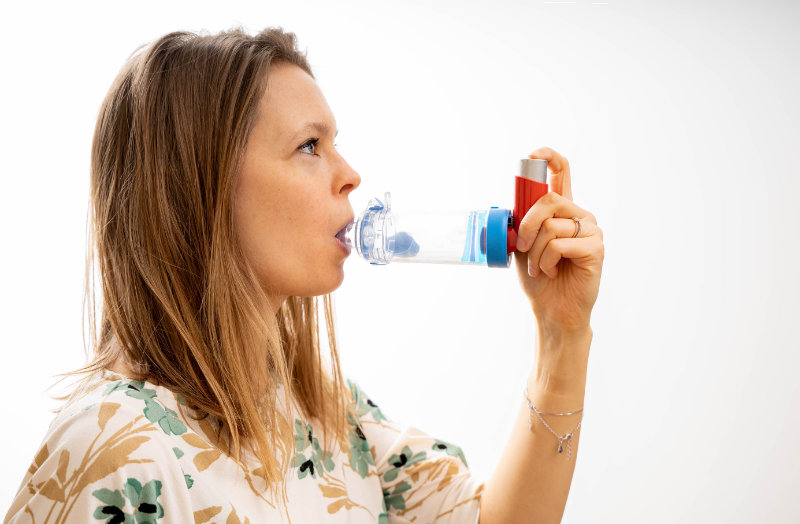
Spacers and nebulizers are both devices designed to improve the delivery of inhaled medications in asthma, but they function differently and are used in different clinical situations. A spacer is an attachment for a metered dose inhaler (MDI) that creates a holding chamber for the medication after it is released. This chamber slows down the aerosol, allowing larger particles to settle and ensuring that smaller particles reach the lower airways rather than depositing in the mouth or throat. By reducing oropharyngeal deposition, spacers increase the proportion of medication delivered to the lungs and decrease local side effects, such as oral thrush from inhaled corticosteroids. Spacers are particularly useful for children, older adults, or anyone who has difficulty coordinating inhalation with actuation of the inhaler. In young children, spacers may be fitted with masks to allow effective delivery during tidal breathing.

Image: Inhaler Use with a Spacer

photo of lady using inhaler with spacer

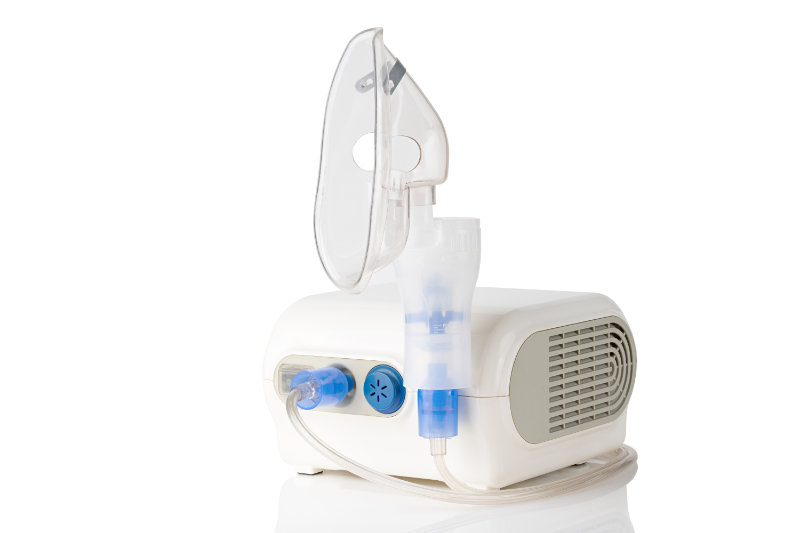
In contrast, nebulizers deliver medication by converting a liquid solution into a fine mist that is inhaled over several minutes through a mask or mouthpiece. Because the patient simply breathes normally during treatment, nebulizers do not require coordination or special technique, making them especially helpful for infants and very young children, elderly patients, or those in acute distress. Nebulizers are often used during acute exacerbations when patients may be too dyspneic to use an inhaler effectively, or in clinical settings such as emergency departments where continuous delivery of bronchodilators is needed. They are also commonly used for patients who require higher doses of medication than can be delivered conveniently with an MDI (Burcham & Rosenthal, 2025; Buttaro et al., 2025).

Image of Nebulizer

photo of nebulizer

Exercise-Induced Bronchoconstriction (EIB)

Exercise-induced bronchoconstriction (EIB) is a common issue among athletes, affecting 20-70% of athletes across specific sports, and is often referred to as exercise-induced asthma; however, it is distinct from chronic asthma (Ora et al., 2024; UPMC, 2021). As described earlier, chronic asthma can be triggered by a variety of factors, including allergies that trigger the airways in the lungs to become inflamed and narrowed. EIB is a transient narrowing of the airways that occurs during or after physical activity. It is characterized by symptoms such as coughing, wheezing, shortness of breath, and chest tightness, typically peaking 5 to 10 minutes post-exercise (Anderson & Kippelen, 2019). Although EIB can occur in individuals with chronic asthma, it is also observed in otherwise healthy athletes, especially those exposed to cold, dry air or environmental irritants such as chlorine or pollutants (Weiler et al., 2016). EIB is believed to result from heat and water loss from the airways during hyperventilation associated with exercise, leading to airway inflammation and smooth muscle constriction (Morris, 2020).

Management of EIB encompasses both pharmacological and non-pharmacological approaches. Short-acting beta-2 agonists (SABAs), such as albuterol, administered 15–20 minutes before exercise, remain the first-line preventive therapy (Global Initiative for Asthma [GINA], 2024). Long-term control may involve inhaled corticosteroids or leukotriene receptor antagonists for individuals with persistent symptoms (Weiler et al., 2016). Non-pharmacologic strategies include adequate warm-up, nasal breathing when possible, and environmental modifications to reduce exposure to cold or irritants (Anderson & Kippelen, 2019).

Athletic trainers (ATs) must be prepared to care for patients experiencing respiratory emergencies, such as asthma and EIB. Administering a short-acting bronchodilator via a metered-dose inhaler and using a nebulizer are longstanding skills of ATs; in fact, the 2020 Commission on Accreditation of Athletic Training Education (CAATE) curricular standards require AT students to be trained to administer lifesaving medications, including bronchodilators (CAATE, 2020; Hoffman et al, 2021). ATs play a crucial role in identifying, managing, and preventing EIB among athletes. They are often the first to recognize symptoms during activity and should ensure that athletes with known EIB have a current asthma action plan and access to inhalers (National Athletic Trainers’ Association [NATA], 2015). While clear protocols exist for administering nebulized albuterol in emergency situations, the optimal dosages for metered-dose inhalers are less clear. The AT should follow the patient’s asthma action plan provided by the prescribing physician (Hoffman et al, 2021)

ATs are not authorized to legally dispense prescription medication, but may be authorized to administer emergency medication, such as albuterol, under specific conditions as directed by the team physician. Standing orders should be established regarding AT use of bronchodilators such as inhalers and nebulizers, and these standing orders should be clearly documented and reviewed annually. It is important to recognize that laws change frequently, and all members of the sports medicine team must be aware of federal, state, and institutional regulations related to standing orders and the dispensing of both over-the-counter and prescription medications (Chang et al., 2018; Hoffman et al., 2021). The sports medicine team may include ATs, team physicians, physical therapists, and school nurses, so it is essential that each member remain in compliance with all current federal, state, and institutional regulations concerning medication management in a sports medicine setting (Chang et al., 2018; Hoffman et al., 2021).

Additionally, ATs should monitor environmental conditions, promote compliance with medication regimens, and educate athletes on self-management techniques and emergency response procedures. Collaboration with physicians and respiratory specialists is essential to optimize performance and safety.

WADA Considerations for Athletes

Beyond performance limitations of athletes with exercise-induced asthma or exercise-induced bronchospasm, the implications of pharmacological management must be at the forefront of consideration for elite, semi-professional, and professional athletes. The World Anti-Doping Agency (WADA) is an independent, international organization that establishes anti-doping rules across countries and sports. WADA creates a comprehensive list and document that serves as the international standard for identifying substances and methods prohibited in sport. The list is updated and published annually, and the new list goes into effect January 1 of each year.  It is important for athletes and members of sports medicine teams to be aware of annual changes and to review the list regularly regarding medications and supplements that athletes may be prescribed, to ensure compliance with WADA regulations, especially if there is a chance the athlete might undergo random drug testing. An athlete could face sanctions, even for an unintentional violation.

WADA maintains strict regulations on the use of glucocorticoids and inhaled Beta2 agonists for asthma, requiring athletes to use specific, permitted, therapeutic doses. The 2026 guidelines emphasize that certain Beta2 agonists are permitted, up to defined maximum daily doses and, in some cases, specific administration intervals (e.g., salbutamol must not exceed 1600 micrograms over 24 hours in divided doses and not exceed 600 micrograms over 8 hours).

Key points include (USADA):

  • Inhalers prescribed by a doctor for therapeutic use that contain ONLY glucocorticoids are permitted at all times.
  • Use of inhalers containing stimulants, like epinephrine and levmetamfetamine (various over-the-counter vapor inhalers), is prohibited in competition but permitted out of competition. Please note that the definition of “in” and “out” of competition may be different in sports and between different competitions.
  • All Beta2 agonists are prohibited at all times, by all routes of administration (oral, inhaled by metered dose inhalers, or nebulizers), EXCEPT for four specific beta2 agonists that have permitted uses when therapeutically, by metered dose inhaler, and used within the dosage and schedule set forth by WADA, AND not used with any medication in the class of diuretics and masking agents.
Table 2: Beta2 Agonists with Permitted Inhaled Dosage Thresholds (adapted from USADA, 2025)
Beta2 Agonists with Permitted Inhaled Dosage Thresholds
Beta2 AgonistPermitted Dosage- Metered dose inhaler only (nebulization prohibited)Warnings/Conditions
Albuterol (salbutamol) (ProAir, Proventil, Ventolin)

(NOT levalbuterol- which is prohibited at all times)
600 micrograms/8 hours (maximum 1600 micrograms/24 hours)No permitted dosage if you are on medication in class S5. Diuretics or Masing Agents.

Use of inhaler must be according to therapeutic guidelines in divided doses- can't use all at once!
Formoterol

(NOT arformoterol- which is prohibited at all times)
36 micrograms/12 hours (maximum 54 micrograms/24 hours)
Salmeterol (Serevent)200 micrograms/24 hoursUse of the inhaler must be according to therapeutic guidelines
Vilanterol (Anoro, Breo)25 micrograms/24 hours

**Please note that common names are for example only, and the complete list should be consulted regarding a product or prohibited status

Knowing how many micrometers are dispensed per actuation (puff) will help you calculate how many puffs fall within the permitted range and which would exceed the permitted threshold (resulting in an anti-doping violation). Exceeding specific limits requires a Therapeutic Use Exemption (TUE). If emergency treatment is necessary, the athlete's health is paramount, and treatment should not be withheld. An emergency retroactive TUE can be submitted after the treatment. TUE’s require specific documentation. A medical file to support an application for a TUE in the case of an athlete with asthma should include (WADA, 2026):

  1. A complete medical history as described and clinical examination with a specific focus on the respiratory system.
  2. A spirometry report with flow volume curve.
  3. If airway obstruction is present, the spirometry will be repeated after inhalation of a short-acting Beta2 agonist to demonstrate the reversibility of bronchoconstriction.
  4. In the absence of reversible airway obstruction, a bronchial provocation test is required to establish the presence of airway hyper-responsivity.
  5. Exact name, specialty, and contact details of the examining physician.
  6. If the athlete reapplies for a TUE that has expired, the application should include the documents that confirm the initial diagnosis, as well as the reports and pulmonary function tests from a regular asthma follow-up visit.

Severe Exacerbations or Complications

Management of acute asthma exacerbations focuses on rapid reversal of airway obstruction, reduction of inflammation, and prevention of re-obstruction. Often, this can be caught early and managed in an outpatient setting with close follow-up. However, if the patient presents with a more severe exacerbation or fails to improve with current treatment interventions, emergency or critical care approaches must be used.

Patients may present with rapid, labored breathing, use of accessory muscles, nasal flaring, and difficulty speaking in full sentences due to breathlessness. Audible wheezing is often present, though in extreme cases, airflow may be so limited that breath sounds are diminished or absent (“silent chest”), which is a grave sign of impending respiratory failure. Oxygen saturation may drop below 92% on room air, and peak expiratory flow readings typically fall to less than 50% of predicted or personal best. Other warning signs include tachycardia, anxiety, fatigue, and agitation that can quickly progress to confusion or lethargy as hypoxemia worsens. Recognition of these clinical features is essential to differentiate a mild flare from one that necessitates emergency-level care.

Management approaches for severe exacerbations include frequent or continuous administration of SABAs such as albuterol, often delivered via nebulizer. In moderate to severe cases, ipratropium bromide, a short-acting muscarinic antagonist, may be added to enhance bronchodilation. Systemic corticosteroids can be given orally or IV, ideally within the first hour of presentation to the emergency department, to address the underlying inflammation and prevent symptom progression. If needed, supplemental oxygen should be provided to maintain oxygen saturation above 90-92%. Close monitoring of respiratory rate, oxygenation, and peak expiratory flow is critical, as deterioration can occur rapidly.

Further escalation of therapy may include magnesium sulfate IV for patients who do not respond to initial bronchodilator therapy, as it relaxes smooth muscle and provides additional bronchodilation. In cases of impending respiratory failure, evidenced by worsening hypoxemia, rising carbon dioxide, exhaustion, or altered mental status, advanced airway support may be necessary. Intubation is considered a last resort because mechanical ventilation in asthmatics can be technically challenging due to dynamic hyperinflation and risk of barotrauma. Non-invasive ventilation may be attempted in carefully selected patients but requires close monitoring.

A particularly severe complication is status asthmaticus, defined as a life-threatening asthma exacerbation that is refractory (unresponsive) to initial standard treatments, including repeated doses of SABAs and systemic steroids. Patients with status asthmaticus often present with severe dyspnea, inability to speak in full sentences, tachypnea, use of accessory muscles, and eventually fatigue, hypoxemia, or a silent chest. Management requires aggressive, continuous bronchodilator therapy, intravenous corticosteroids, possible IV magnesium sulfate, and, in some cases, adjunctive therapies such as ketamine for its bronchodilator properties. Patients require ICU-level care and continuous monitoring outside the scope of this course (Buttaro et al., 2025).

Global Initiative for Asthma (GINA) Recommendations

The Global Initiative for Asthma (GINA) is an international collaborative program launched in 1993 under the World Health Organization and the National Heart, Lung, and Blood Institute (Global Initiative for Asthma [GINA], 2024). Its purpose is to provide evidence-based, annually updated recommendations for the diagnosis, management, and prevention of asthma worldwide. Because asthma prevalence and healthcare resources vary significantly across regions, GINA’s guidance is designed to be adaptable to diverse clinical settings, from high-resource health systems to low- and middle-income countries. GINA’s strength lies in its frequent updates, global scope, and emphasis on both clinical and public health approaches to asthma management (GINA, 2024).

In the United States, asthma care has traditionally been guided by the National Asthma Education and Prevention Program (NAEPP) under the National Heart, Lung, and Blood Institute (NHLBI), with the most recent focused updates published in 2020 (NHLBI, 2021). While both GINA and NAEPP share the overarching goal of improving asthma outcomes, they differ in key areas. GINA has eliminated short-acting beta₂ agonist (SABA) monotherapy, recommending that all patients (even those with mild asthma) receive inhaled low-dose formoterol as needed. In contrast, NAEPP still permits SABA-only treatment for intermittent asthma, especially in children and adults with infrequent symptoms, and introduces ICS therapy only when asthma becomes persistent (GINA, 2024; NHLBI, 2021).

Additionally, GINA emphasizes a two-track approach: track 1 with formoterol preferred, track 2 with SABA + ICS as an alternative, while NAEPP maintains a more traditional stepwise ladder of increasing therapy. GINA also more explicitly integrates biomarkers (eosinophils, IgE) and biologics into its recommendations for severe asthma, while NAEPP references these therapies but with less prescriptive guidance.

These differences have important clinical implications. By discouraging SABA-only treatment, GINA directly addresses evidence that SABA monotherapy is linked to a higher risk of severe exacerbations and even asthma-related death. Following GINA’s approach may therefore reduce hospitalizations and improve long-term control, but it can also increase medication costs and raise issues of accessibility in resource-limited systems. In contrast, the NAEPP’s more conservative stance reflects a balance between efficacy, safety, and practical considerations within the U.S. healthcare system, where insurance coverage and prescribing patterns play major roles (GINA, 2024; NHLBI, 2021).

For clinicians, being aware of both sets of guidelines is important. GINA offers a more preventive and globally harmonized strategy, while NAEPP remains the standard reference for U.S.-based practice.

Case Study 1

Scenario

Maria, a 22-year-old college student, presents to her primary care clinic with complaints of recurrent wheezing, chest tightness, and coughing that have worsened over the past two weeks. She reports waking up at night three times per week due to coughing and needing to use her albuterol inhaler almost daily. Maria has a history of asthma diagnosed in childhood, but has not been on a daily controller medication since high school. She lives in a dormitory where dust and mold are common, and she admits to skipping cleaning because of her busy schedule. Her physical exam reveals expiratory wheezes, oxygen saturation (SpO₂) of 94% on room air, and a peak flow measurement at 65% of her predicted personal best, which improves following bronchodilator administration.

Interventions

The provider initiates Step 3 therapy using a low-dose inhaled corticosteroid (ICS) and long-acting beta2 agonist (LABA) combination inhaler (budesonide formoterol [Symbicort]), with instructions for both daily maintenance and as-needed use. Maria is educated on proper inhaler technique and provided a spacer to improve medication delivery. She is also instructed on the use of a peak flow meter to track her lung function at home, establishing her “personal best” baseline for comparison. Environmental control strategies are discussed, including frequent cleaning, use of dust-mite covers, and reducing mold exposure. Additionally, she is referred to the university’s asthma education program for ongoing support and provided with an individualized asthma action plan to guide her in adjusting therapy based on symptoms and peak flow readings.

Discussion

This case highlights the importance of reassessing asthma severity when symptoms worsen. Based on her frequency of nighttime awakenings, daily SABA use, and spirometry results, Maria’s asthma is best classified as moderate persistent, warranting escalation to Step 3 therapy. The combination of an ICS with a LABA not only targets acute bronchoconstriction but also addresses underlying airway inflammation, which is crucial for long-term control. Education was a key component of her care; without correct inhaler technique and trigger avoidance, medication alone may not achieve adequate control. The use of a peak flow meter adds an objective measure that empowers the patient to recognize early declines in lung function.

The case also demonstrates the real-world impact of social determinants of health. Maria’s dorm environment exposed her to common triggers like dust and mold, illustrating how living conditions can undermine asthma management. Her busy academic schedule contributed to neglecting cleaning and self-care, emphasizing the need for practical, patient-centered strategies. Addressing these contextual factors is as critical as prescribing medications.

Strengths

This case emphasizes a holistic approach to asthma management: pharmacological escalation consistent with guideline-based care, reinforcement of inhaler technique, nonpharmacological trigger reduction, and patient education. By including a peak flow meter and an asthma action plan, the intervention promotes self-management, which is strongly linked to reduced emergency visits and improved outcomes. The referral to an asthma education program also demonstrates strong interprofessional collaboration.

Weaknesses

One limitation in Maria’s management is the potential for adherence challenges. Young adults often struggle with consistent use of daily controller therapy, particularly when they feel better after initial improvement. Her living environment poses ongoing challenges that may be difficult to fully resolve without structural changes, such as moving to different housing. Additionally, while pharmacologic therapy was escalated appropriately, the provider may need to monitor closely for side effects or overreliance on as-needed LABA use. Finally, psychosocial factors such as stress and academic pressures were not directly addressed, though these may influence symptom control.

Case Study 2

Scenario

Ethan, a 6-year-old boy, is brought to the pediatric clinic by his parents with a history of recurrent coughing and wheezing episodes over the past six months. The parents report that his cough is worse at night and is often triggered by playing outside or during viral URIs. They note two urgent care visits in the past year for “bronchitis,” where he was treated with antibiotics and short courses of oral steroids, with temporary improvement. His medical history is significant for eczema, and his mother has asthma. On today’s visit, Ethan is afebrile, with a respiratory rate of 24 breaths per minute, heart rate of 105, and oxygen saturation (SpO₂) of 95% on room air. On auscultation, bilateral expiratory wheezes are noted. A peak flow measurement is 70% of predicted for his age and height, and symptoms improve after albuterol via nebulizer.

Interventions

The pediatrician discusses the likelihood of asthma based on the pattern of recurrent, variable respiratory symptoms, family history of atopy, and Ethan’s positive response to bronchodilator therapy. A diagnosis of mild persistent asthma is made. Ethan is prescribed a low-dose inhaled corticosteroid (fluticasone [Flovent]) with a spacer to be used daily, along with an as-needed short-acting beta₂-agonist (albuterol [Ventolin]) for acute symptoms. His parents are educated on proper inhaler and spacer technique, and an asthma action plan is developed, including guidance for managing exacerbations and when to seek urgent care. Environmental control strategies are reviewed, including minimizing dust exposure, controlling pollen entry by keeping windows closed during allergy season, and avoiding exposure to secondhand smoke. Ethan’s parents are also instructed to monitor daily peak flow to track lung function variability.

Discussion

This case illustrates the process of diagnosing asthma in a young child, which is often challenging because symptoms can overlap with recurrent viral infections or bronchitis. Key features supporting the diagnosis include nighttime cough, symptom triggers (exercise, viral illness, allergens), recurrent episodes requiring systemic steroids, family history of asthma, and reversibility of airway obstruction with bronchodilators. Initiating a controller medication (ICS) is appropriate for mild persistent asthma, as daily anti-inflammatory therapy reduces symptom frequency, prevents exacerbations, and improves quality of life. Teaching parents correct inhaler technique and trigger management is equally important, as poor technique or ongoing environmental exposures can undermine treatment effectiveness.

Strengths

This case highlights early recognition of asthma and the importance of establishing control before the disease progresses to more severe forms. Strengths of the management include the use of guideline-based therapy with low-dose ICS, the provision of a personalized asthma action plan, and the education of parents to become active participants in care. Including peak flow monitoring empowers the family to detect early warning signs and reinforces self-management.

Weaknesses

Challenges in this case include the potential difficulty young children have in consistently using inhalers correctly, even with a spacer. Parental adherence to daily controller therapy may also be variable, especially if symptoms improve quickly, leading to underuse of ICS. Additionally, exposure to triggers in the home or school environment may not be fully controllable, limiting the impact of environmental interventions. Finally, objective testing such as spirometry is less reliable in young children, so diagnosis often relies on clinical patterns and treatment response, which can lead to uncertainty in early management.

Conclusion

Asthma remains a complex, multifactorial disease that requires careful assessment and a comprehensive management approach. By ensuring a deep understanding of the disease, clinicians can better tailor care to individual patients across the lifespan. Emphasis on stepwise management ensures care that reduces exacerbations and improves quality of life. Ultimately, integrating evidence-based recommendations with patient-centered care empowers healthcare professionals to address disparities, optimize outcomes, and meet the ongoing public health challenge posed by asthma.

Select one of the following methods to complete this course.

Take TestPass an exam testing your knowledge of the course material.
OR
No TestComplete a course evaluation.

Implicit Bias Statement

CEUFast, Inc. is committed to furthering diversity, equity, and inclusion (DEI). While reflecting on this course content, CEUFast, Inc. would like you to consider your individual perspective and question your own biases. Remember, implicit bias is a form of bias that impacts our practice as healthcare professionals. Implicit bias occurs when we have automatic prejudices, judgments, and/or a general attitude towards a person or a group of people based on associated stereotypes we have formed over time. These automatic thoughts occur without our conscious knowledge and without our intentional desire to discriminate. The concern with implicit bias is that this can impact our actions and decisions with our workplace leadership, colleagues, and even our patients. While it is our universal goal to treat everyone equally, our implicit biases can influence our interactions, assessments, communication, prioritization, and decision-making concerning patients, which can ultimately adversely impact health outcomes. It is important to keep this in mind in order to intentionally work to self-identify our own risk areas where our implicit biases might influence our behaviors. Together, we can cease perpetuating stereotypes and remind each other to remain mindful to help avoid reacting according to biases that are contrary to our conscious beliefs and values.

References

  • Anderson, S. D., & Kippelen, P. (2019). Exercise-induced bronchoconstriction: Pathogenesis. Current Allergy and Asthma Reports, 19(8), 44. Visit Source.
  • American Lung Association (ALA). (2024). Measuring your peak flow rate. American Lung Association. Visit Source.
  • Asthma and Allergy Foundation of America (AAFA). (2022). The allergic or atopic march. Asthma and Allergy Foundation of America. Visit Source.
  • Asthma and Allergy Foundation of America (AAFA). (2024). Spirometry: A measure of airflow and volume (quick glance guide).  American Lung Association. Visit Source.
  • Brashers, S., Huether, E., McCance, K.L., Valentina L. (2025). Understanding pathophysiology 8th ed. Elsevier. Visit Source.
  • Burchum, L.D. and Rosenthal, J. R. (2025). Lehne’s pharmacotherapeutics for advanced practice nurses and physician assistants, 3rd ed. Elsevier. Visit Source.
  • Buttaro, T. M., Polgar-Bailey, P., Sandberg-Cook, J., Dick, K., & Montgomery, J. B. (2025). Primary care, 7th ed. Elsevier. Visit Source.
  • Centers for Disease Control and Prevention (CDC). (2023). Asthma surveillance in the United States, 2001–2021. National Center for Environmental Health. Visit Source.
  • Chang, C. J., Weston, T., Higgs, J. D., Ohkubo, M., Sauls, A., Tedeschi, F., White, M., & Young, C. C. (2018). Inter-Association Consensus Statement: The management of medications by the sports Medicine team. Journal of Athletic Training, 53(11), 1103–1112. Visit Source.
  • Cockcroft, D.W., Davis, B.E. & Blais, C.M. (2020). Comparison of methacholine and mannitol challenges: Importance of method of methacholine inhalation. Allergy Asthma Clinical Immunology, 16, 14. Visit Source.
  • Commission on Accreditation of Athletic Training Education (CAATE). (2020). Standards and procedures for accreditation of professional programs in athletic training. Commission on Accreditation of Athletic Training Education. Visit Source.
  • Global Initiative for Asthma (GINA). (2020). Asthma Management and Prevention for adults and children older than 5 years. Global Initiative for Asthma. Visit Source.
  • Global Initiative for Asthma (GINA). (2024). Summary guide for asthma management and prevention. For adults, adolescents and children 6-11 years. Global Initiative for Asthma. Visit Source.
  • Hoffman, M., Murphy, M., Koester, M. C., Norcross, E. C., & Johnson, S. T. (2021). Use of lifesaving medications by athletic trainers. Journal of Athletic Training, 57(7), 613–620. Visit Source.
  • Kavanagh, J., Jackson, D. J., & Kent, B. D. (2019). Over- and under-diagnosis in asthma. Breathe, 15(1), e20–e27. Visit Source.
  • Kuruvilla, M. E., Lee, F. E., & Lee, G. B. (2019). Understanding asthma phenotypes, endotypes, and mechanisms of disease. Clinical Reviews in Allergy & Immunology, 56(2), 219–233. Visit Source.
  • Martin, J., Townshend, J., & Brodlie, M. (2022). Diagnosis and management of asthma in children. BMJ Paediatrics Open, 6(1), e001277. Visit Source.
  • Merck Manual Professional Version. (2025). Table: Classification of asthma severity. Merck Manual Professional Version. Visit Source.
  • Morris, M. J. (2020). Exercise-induced bronchoconstriction: Diagnosis and management. American Family Physician, 101(9), 541–548.
  • Morris, M.J. (2024). Asthma differential diagnoses. Medscape. Visit Source.
  • National Athletic Trainers’ Association. (2015). Position statement: Management of asthma in athletes. Journal of Athletic Training, 50(8), 777–793. Visit Source.
  • National Heart, Lung, and Blood Institute [NHLBI]. (2021). Asthma management guidelines: Focus updates 2020. U.S. Department of Health and Human Services, National Institutes of Health. Visit Source.
  • National Heart, Lung, and Blood Institute [NHLBI]. (2024). Asthma: Causes and triggers. U.S. Department of Health and Human Services. Visit Source.
  • Ora, J., De Marco, P., Gabriele, M., Cazzola, M., & Rogliani, P. (2024). Exercise-Induced Asthma: Managing Respiratory Issues in Athletes. Journal of functional morphology and kinesiology, 9(1), 15. Visit Source.
  • Pate, C. A., & Zahran, H. S. (2024). The Status of Asthma in the United States. Preventing Chronic Disease, 21, E53. Visit Source. https://doi.org/10.5888/pcd21.240005Sen, P., Khatri, S. B., & Tejwani, V. (2023). Measuring exhaled nitric oxide when diagnosing and managing asthma. Cleveland Clinic Journal of Medicine, 90(6), 363–370. Visit Source.
  • Sharma, G. D. (2024). Pediatric asthma differential diagnoses. Medscape. Visit Source.
  • Upmc. (2021). EILO vs Exercise-Induced Asthma: What’s the Difference? UPMC HealthBeat. Visit Source.
  • U.S. Anti-Doping Agency. (2025). What Athletes Need to Know about Inhaled Medications.  USADA. NPC Hello. Visit Source.
  • van Dijk, B. C. P., Svedsater, H., Heddini, A., Nelsen, L., Balradj, J. S., & Alleman, C. (2020). Relationship between the Asthma Control Test (ACT) and other outcomes: A targeted literature review. BMC Pulmonary Medicine, 20(1), 79. Visit Source.
  • Weiler, J. M., Brannan, J. D., Randolph, C., Hallstrand, T. S., Parsons, J. P., Silvers, W., Storms, W. W., & Zeiger, J. S. (2016). Exercise-induced bronchoconstriction update—2016. Journal of Allergy and Clinical Immunology, 138(5), 1292–1295.e36. Visit Source.
  • World Health Organization (WHO). (2024). Asthma. World Health Organization. Visit Source.
  • World Anti-Doping Agency (WADA). 2026. TUE Physician Guidelines Asthma Version 9.2. World Anti-Doping Agency. Visit Source.