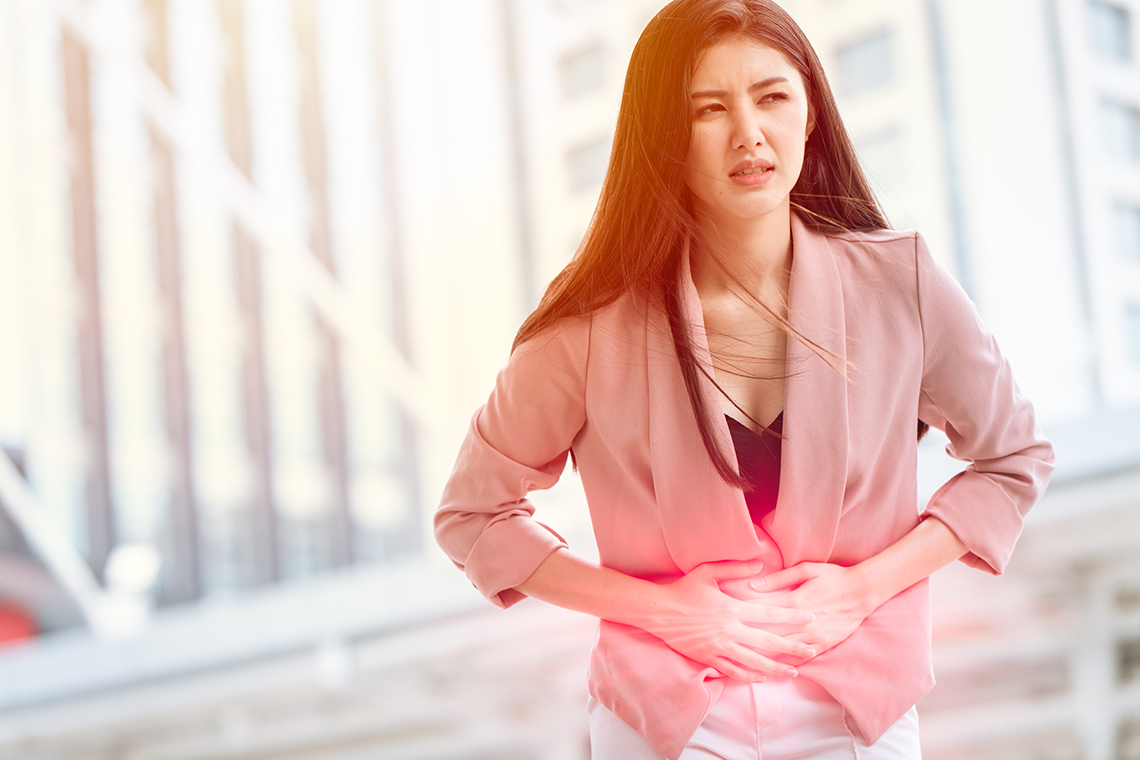
Intense pelvic pain. Severe menstrual cramps. Infertility.
These are the characteristics many think of when they hear the term "endometriosis. March is National Endometriosis Awareness Month, spurring conversations surrounding what it is, what causes it, symptoms to be aware of, as well as diagnostic and treatment measures.
Understanding Endometriosis
What is endometriosis? Who does it affect and why? Endometriosis, sometimes referred to as endo, can impact women of any ethnicity, race, or social status. More than 190 million women worldwide are believed to live with it, meaning that approximately 10% of women of reproductive age have this condition. The World Health Organization defines it as a complex disease that affects many women, globally, from the onset of their first period (menarche) through menopause.
Lets break down this diseases definition to better understand what is happening from an anatomical perspective and why it can be so debilitating.
Endometriosis occurs when endometrial tissue, the tissue that lines the uterus, is found in other regions of the body. During menstruation, the endometrial tissue of the uterus is shed. For those with the disease, endometrial tissue that is found in other areas of the body cannot be shed, leading to the formation of scar tissue, lesions, and inflammation. Abnormal tissue growth in these areas can lead to intense symptoms and a variety of complications, including infertility.
The most commonly affected areas include the fallopian tubes, ovaries, the digestive tract, and the rectovaginal area. Endometriosis can also be found in the tissues that hold the uterus in place and on the outer surface of the uterus. In rare circumstances, some individuals have endometrial tissue in their lungs, brain, and skin.
There isnt a simple answer as to why endometriosis occurs or any one particular culprit that spurs the growth of endometrial tissue outside of the uterus. The root cause is believed to be the result of anatomical, immunological, hormonal, genetic, and environmental factors. Research has shown that a potential cause may be retrograde menstrual flow through the fallopian tubes and into the body. Others have suggested that it may be formed by the distribution of endometrial tissue throughout the body via the blood or lymphatic systems.
Endometriosis Classification and Categorization
There are different classification or categorization methods that are used to identify the severity and progression of the condition. It can be separated into stages and categories.
According to the American Society of Reproductive Medicine, there are four point-based stages of this condition, based on the lesions found.
Stages of Endometriosis
- Stage 1 (1-5 points): Minimal lesions with few superficial implants.
- Stage 2 (6-15 points): Mild, with more and deeper implants.
- Stage 3 (6-40 points): Moderate, small cysts on one or both ovaries, many deep implants, with the presence of filmy adhesions.
- Stage 4 (more than 40 points): Severe, dense adhesions, deep implants, and large cysts on one or both ovaries.
In addition to stages, the Endometriosis Foundation of America provides categorization based on the location of the endometrial tissues, which can also help to determine the severity.
Categorization of Endometriosis
- Category 1: Peritoneal endometriosis.
- Category 2: Ovarian endometriosis.
- Category 3: Deep infiltrating endometriosis I (DIE 1) (impacts organs within the pelvic cavity).
- Category 4: Deep infiltrating endometriosis II (DIE II) (impacts organs within and outside of the pelvic cavity).
- Category 5: Diffuse endometriosis of multiple locations and organs, severe adhesions.
These classifications can help distinguish the location or intensity of the endometriosis, as well as guide different treatment approaches or interventions.
Presentation and Symptoms: What Does Endometriosis Look Like?
Endometriosis typically involves intense pain, most commonly occurring in the pelvic region, but can be felt in other areas of the body that are impacted by endometrial tissue. The pain can be aligned with the timing of the menstrual cycle, in addition to chronic pain.
What are the other signs and symptoms of endometriosis to be aware of?
- Lower back pain
- Pain with sexual intercourse
- Heavy menstrual bleeding
- Painful menstrual cramps
- Irregular uterine bleeding or spotting
- Gastrointestinal issues such as diarrhea, constipation, bloating, nausea, and vomiting
- Pain with bowel movements or urination
- Fatigue
- Infertility
Symptoms can vary from person to person, as well as in severity. Because of the role that estrogen plays in menstrual cycles and endometriosis, symptoms can resolve after menopause when estrogen production stops. With symptoms varying from person to person, treatment will also vary. How is it diagnosed and treated? Is there a cure?
Endometriosis Diagnosis and Treatment
Diagnosing the condition involves multiple diagnostic components and gathering important patient information. Once a diagnosis is made, different treatment approaches can be considered and tailored to the specific symptoms the patient is experiencing and whether or not the individual desires any future pregnancies.
Diagnostic Methods
The process of obtaining a diagnosis includes a physical assessment, including a pelvic exam, imaging tests, a medical history review, and a symptom assessment. Testing may include ultrasounds, MRIs, and laparoscopy to visualize endometrial tissue.
Treatment Methods and Condition Management
Currently, there is no cure for the disease. Goals of endometriosis management and treatment focus on pain and symptom control, fertility preservation or restoration, reducing endometrial growths, and avoiding recurrence.
Treatment for endometriosis can include both medicinal and surgical approaches. Over-the-counter pain medications can be utilized for pain control, and contraceptive pills for hormone regulation. Hormonal birth control can help reduce bleeding and discomfort. Progestins, aromatase inhibitors, and gonadotropin-releasing hormone analogues may also be prescribed.
Surgically, lesions can be removed during a laparoscopy, and a hysterectomy may be performed in severe cases. Laparoscopy can be used to both diagnose and treat it. Surgical excision of endometrial lesions or a hysterectomy is the gold standard treatment for endometriosis. Patients must take into consideration any desire for future pregnancies, seeing as some treatment options can impact fertility, such as aromatase inhibitors, or eliminate it completely, as with a hysterectomy. Patients should always discuss the best treatment options with their healthcare provider to create an individualized care plan and treatment course.
Complications and Comparisons
In addition to unpleasant and at times debilitating symptoms, endometriosis can result in additional physical and mental complications.
Endometriosis Complications
Some of the major complications that are tied to the condition include infertility, decreased quality of life, and certain types of cancer. According to the Endometriosis Association, 30-40% of those with it experience infertility. Ovarian and breast cancer have been linked to endometriosis, as well as increased rates of immune-related diagnoses such as inflammatory bowel disease, multiple sclerosis, and allergies. Additional complications can include iron deficiencies and fatigue due to heavy menstrual bleeding. Not only does it present with physical complications, but it can also take a mental toll on patients. Mental health concerns related to the condition include depression and anxiety.
Comparing Gynecological Diagnoses
When talking about gynecological health, two of the major diagnoses that come to mind are endometriosis and polycystic ovarian syndrome (PCOS). Let's talk about endometriosis vs. PCOS.
Both endometriosis and PCOS affect the reproductive tract. They can impact quality of life, are tied to infertility, and have no cure. While they are both gynecological in nature, they have different causes, symptoms, and treatment regimens.
Endometriosis is the result of endometrial tissue growing outside of the uterus, whereas PCOS is directly tied to hormonal abnormalities. PCOS is caused by excessive androgen production in the body. This causes an excess of small eggs to be produced and stay within the ovary, resulting in follicle and cyst formation. PCOS has been linked to environmental, metabolic, nutritional, and genetic factors, and impacts approximately 20% of women of reproductive age.
PCOS is hormonal in nature, thus presenting with specific symptoms attributed to hormonal abnormalities. Symptoms can include:
- Weight gain
- Irregular menstrual cycles
- Infertility
- Excess body hair, including on the face and chin
- Acne
- Thinning head hair
- Darkened skin coloring around the neck or other body folds
- Abdominal obesity
- Insulin resistance
While endometriosis and PCOS have similarities, they have unique differences, and proper education pertaining to these diagnoses is needed to understand and differentiate between these conditions.
Lets Recap
Endometriosis, which occurs when endometrial tissue is found outside of the uterus, can result in uncomfortable symptoms and life-altering complications. Spreading awareness of the condition can help aid in symptom recognition, promoting early diagnosis and timely treatment to encourage improved quality of life. This month, being National Endometriosis Awareness Month, support those with it by sharing what you know. Awareness and proper diagnosis can change lives.
About the Author:
Rachel Pugmire is a registered nurse and freelance writer. She received her Bachelor of Science in Nursing in 2018, with a minor in gerontology. Her areas of expertise include emergency medicine, pediatrics, and pharmaceutical clinical trials. Medical writing has given her a platform to do what she is passionate about, which is educating patients, their families, and other healthcare professionals.
Rachel is an independent contributor to CEUfast's Nursing Blog Program. Please note that the views, thoughts, and opinions expressed in this blog post are solely those of the independent contributor and do not necessarily represent those of CEUfast. This blog post is not medical advice. Always consult with your personal healthcare provider for any health-related questions or concerns.
If you want to learn more about CEUfast's Nursing Blog Program or would like to submit a blog post for consideration, please visit https://ceufast.com/blog/submissions.