When we think of opioids, we often think of medications prescribed by a healthcare provider that are filled at a pharmacy with strict regulations and come packaged in a pill bottle with explicit safety warnings. Another type of opioid product is lurking, sitting on the shelves of local convenience stores, vape shops, and gas stations in attractive, naïve-looking packaging. This dangerous product is 7-OH.
Kratom vs. 7-OH: Whats The Difference?
Kratom is a tropical tree native to Southeast Asia. Traditionally, it has been used for managing pain, diarrhea, headaches, anxiety, insomnia, and some medication withdrawal symptoms. Low doses of Kratom produce stimulant effects that users are drawn to, such as increased alertness or energy. Recreationally, it is used for its euphoric effects. High doses include sedative effects, psychotic symptoms, and respiratory depression, which can result in addiction.
Kratom includes two psychoactive ingredients, mitragynine and 7-hydroxymitragynine. 7-hydroxymitragynine, referred to as 7-OH, is a naturally occurring part of the Kratom plant, but in very minimal quantities. Naturally occurring 7-OH is less than 2% of the total alkaloid content in the Kratom plant. Concentrated or synthetic 7-OH is a powerful opioid compound that is sold in extremely high concentrations, making it addictive, dangerous, and deadly. Other names for 7-OH include 7-OHMG, 7-Hydroxy, 7-HMG, or 7. 7-OH is a rising health concern and is much more dangerous than traditional kratom leaf products. It is quickly gaining popularity and has real safety issues.
Kratom is currently unregulated in the United States, and no Kratom or Kratom-derived substances are approved by the FDA. Kratom and 7-OH products are not approved treatments for opioid or SSRI withdrawals, chronic pain, anxiety, depression, mood disorders, or any other medical use. The FDA is working to control and restrict 7-hydroxymitragynine (7-OH) products due to safety concerns under the Controlled Substances Act (CSA). It is important to note that this step does not specifically target natural kratom leaf products, but rather the dangerous synthetic opioid compound 7-OH.
The Dangers of 7-OH
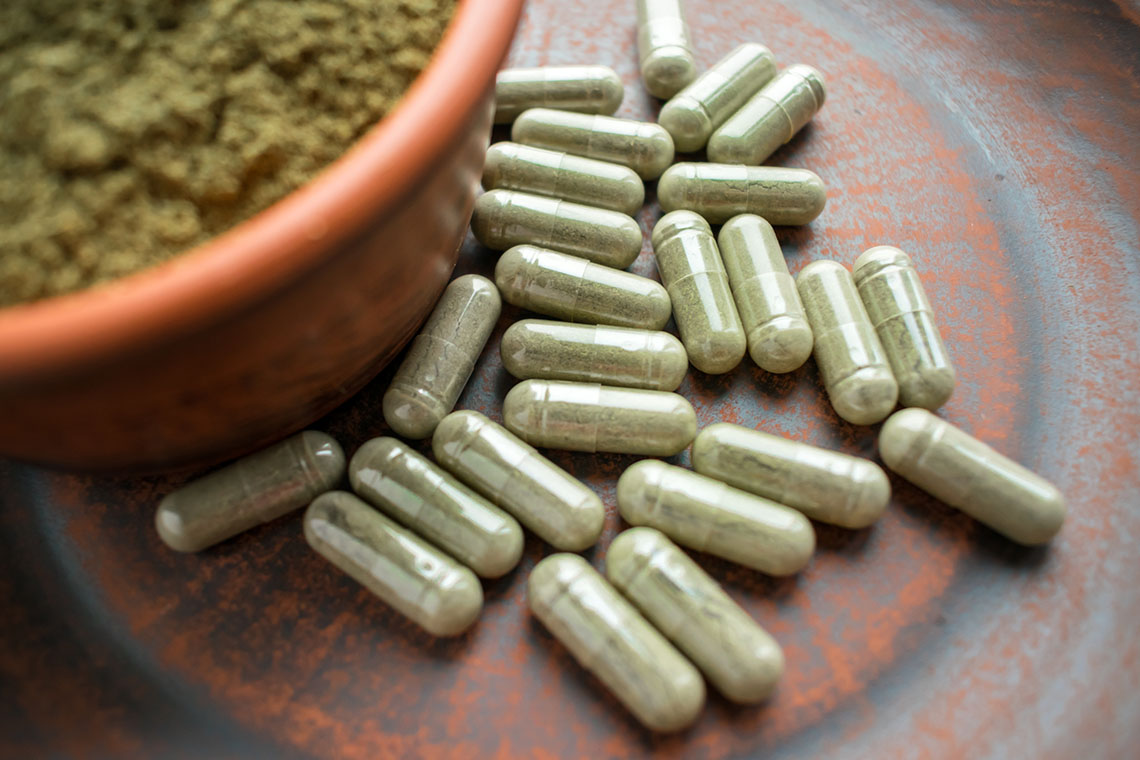
Concentrated 7-OH is readily available and sold at vape shops, convenience stores, and gas stations in attractive-looking packaging and forms such as gummies, pills, candies, and even ice cream cones. Could something packaged like candy or a sweet treat, sold over the counter, really be that dangerous? The answer is a resounding yes. In addition to appearing like candy or snacks, 7-OH can also be sold as powders, capsules, liquid extracts, chewable/sublingual tablets, drink mixes, and shots. The accessibility of 7-OH and the attractive forms it comes in make it appear less dangerous and more enticing, while that is far from the reality that is 7-OH.
According to the FDA, 7-OH is a potent mu-opioid receptor agonist like classical opioids such as morphine or fentanyl. It can bind to opioid receptors, which can lead to respiratory depression and death. Research has shown that 7-OH is, in fact, more potent than classic opioids. Compared to morphine, 7-OH is 13x more potent and produces respiratory depression more than 3-fold greater. The addictive nature of 7-OH and its opioid receptor binding capabilities make for a dangerous combination, one that can be fatal.
Misleading labels and strategic marketing add to the safety issues associated with 7-OH. 7-OH may be falsely marked as Kratom, which does not have the same dangerous levels of 7-OH as these manufactured products. Kratom products that are advertised using terms such as spiked or enhanced may actually contain exponential amounts of 7-OH, and these levels may be 500% higher than expected from a kratom leaf under natural circumstances. Desirable marketing and misleading advertising can ultimately result in increased use, physical dependency, and addiction.
Need to Know for Nurses (and Everyone)
Nurses, parents, and those within the community need to be aware of what 7-OH is, the dangers it poses, its side effects, and withdrawal symptoms. Nurses play a role in educating the general public and patients, promoting awareness of the dangers of about 7-OH, supporting patients through withdrawals and detoxification, and providing safe patient care as the body adjusts to functioning without these products.
Side Effects of 7-OH Use
Those who use 7-OH are often seeking the increased alertness, energy, and even euphoria that this substance provides, but there are uncomfortable and dangerous side effects associated with 7-OH use.
7-OH side effects can include:
- Insomnia
- Anxiety
- Seizures
- Nausea and vomiting
- Sweating
- Itching
- Drying mouth
- Increased urination
- Constipation
- Tachycardia (increased heart rate)
- Loss of appetite
- Drowsiness
- Weight loss
- Insomnia
- Hallucinations
- Hepatotoxicity
- Physical dependence and addiction
- Fatal respiratory depression
7-OH Withdrawal
The more of an addictive substance an individual consumes, the greater the physical and mental dependency becomes. 7-OH consumption can lead to dangerous addictions and overdoses. When someone stops consuming a product of this nature, the body responds to its absence, and uncomfortable symptoms occur. Withdrawal symptoms associated with 7-OH can last for a week, with symptoms typically starting 12 hours after the last dose and peaking with the most intense symptoms at 48 hours. Stopping dependable Kratom usage without medical assistance can result in seizures, hallucinations, or severe depression. If you are dependent on Kratom or 7-OH products, seek the assistance of a medical provider for safe detoxification. Always consult a medical provider with any health or substance questions or concerns.
There are multiple factors that determine the intensity of the withdrawal symptoms someone may experience. Factors include the overall health of the individual, comorbidities, preexisting medical conditions, how long the individual has used 7-OH, how much and how often they consume it, the type of Kratom used, and if any other substances are used simultaneously with 7-OH (polysubstance abuse).
7-OH withdrawal symptoms can include:
- Anxiety
- Insomnia
- Jerky movements
- Nausea
- Muscle aches
- Muscle stiffness
- Irritability
- Restlessness
- Watery eyes
- Runny nose
- Tremors
- Nausea and vomiting
- Chills
- Sweating
- Temperature dysregulation
Post-Acute Withdrawal Symptoms
Some individuals who use 7-OH experience uncomfortable symptoms after the initial withdrawal period. Post-acute withdrawal symptoms (PAWS) include issues with motivation, mood, and sleep that can last weeks or months after the initial withdrawal. Nurses should be aware of PAWS and be prepared to assist patients as necessary.
Nurse Advocacy
In addition to caring for patients at the bedside through 7-OH withdrawal or detoxing, nurses can have an impact that begins long before addiction and dependency. Nurses can be advocates and share their voices to protect patients and community members from the dangers of 7-OH.
Nurses can assist communities by supporting policies and restrictions on the sale and distribution of dangerous 7-OH products, encouraging transparent product labeling, and alerting others to the realities and dangers of these products. To prevent dangerous 7-OH usage, nurses can push for regulations and controls in legal settings and at community events, as well as reach out to law and policy makers.
Conclusion
There is no reason to downplay the serious dangers that 7-OH products present, even if they look like sweet treats or snacks found on gas station shelves. The consumption of 7-OH can lead to real and severe consequences, including uncomfortable side effects, addiction, and even death.
Recognizing the risks associated with 7-OH products can promote greater awareness of their dangers, highlight potential side effects and withdrawal symptoms, and empower patients, families, and communities to prevent a public health crisis. This understanding can also encourage healthier and safer living practices.
About Author:
Rachel Pugmire is a registered nurse and freelance writer. She received her Bachelor of Science in Nursing in 2018, with a minor in gerontology. Her areas of expertise include emergency medicine, pediatrics, and pharmaceutical clinical trials. Medical writing has given her a platform to do what she is passionate about, which is educating patients, their families, and other healthcare professionals.
Rachel is an independent contributor to CEUfast's Nursing Blog Program. Please note that the views, thoughts, and opinions expressed in this blog post are solely of the independent contributor and do not necessarily represent those of CEUfast. This blog post is not medical advice. Always consult with your personal healthcare provider for any health-related questions or concerns.
If you want to learn more about CEUfasts Nursing Blog Program or would like to submit a blog post for consideration, please visit https://ceufast.com/blog/submissions.