Systemic Lupus Erythematosus (SLE) is a challenging medical condition that is difficult to detect, diagnose, and treat. With circumstantial variables, unclear symptomology, and barriers to symptom management, patients find themselves frustrated by yet another factor-an unproven cause. Many professionals within the medical community have suspected the epidemiology and causation of SLE to be rooted in a common virus that 94% of people will contract in their lifetime. But the question remained: how did it specifically cause SLE? It had no concrete, explainable answer until now.
New research has shown that the cause is attributed to Epstein-Barr Virus (EBV). EBV has been a long-time suspected culprit in SLE occurrence, but just exactly how it causes SLE remains unclear. Groundbreaking research has set forth an increased understanding of the connection between EBV and SLE, which can have a direct impact on the future of lupus treatment, management, and diagnosis.
Epstein-Barr Virus and Lupus: Cause and Effect
Researchers at Stanford University have been able to pinpoint the cause of SLE, amongst speculation, for many years. Using a new ribonucleic acid (RNA) sequencing strategy, researchers identified EBV-infected cells associated with antigen presentation, driven by the EBV protein EBNA2. EBV-infected B cells with antigen-presenting features then activate autoreactive helper T cells. T-cell activation then cascades into rallying additional autoreactive B cells (including those not infected with EBV), and causing an autoimmune response recognized as Systemic Lupus Erythematosus (SLE). Remarkably, it is believed to apply to 100% of lupus cases, according to the study's senior author.
With EBV being one of the most common viruses, why do only some people develop SLE? When studying those with SLE, they presented with more than 20-fold the number of EBV+ B cells compared to those without SLE. The study determined a few potential theories for this. They include:
- Deficient anti-EBV CD8 T-cell responses
- EBV-mediated immune evasion
- Being infected with a strain of EBV that promotes B-cell survival or growth
- Therapeutic immunosuppression that allows for an increase in EBV+ B cells
- Interactions between the host and pathogen that accelerate disease progression
In addition to understanding this new breakthrough and the role EBV plays in SLE, nurses and patients should understand Epstein-Barr Virus and Systemic Lupus Erythematosus individually, how they are interconnected, and how to recognize them independently from one another. Understanding their individual disease processes, symptoms, and treatment can help nurses be better prepared to care for those living with lupus.
Understanding EBV
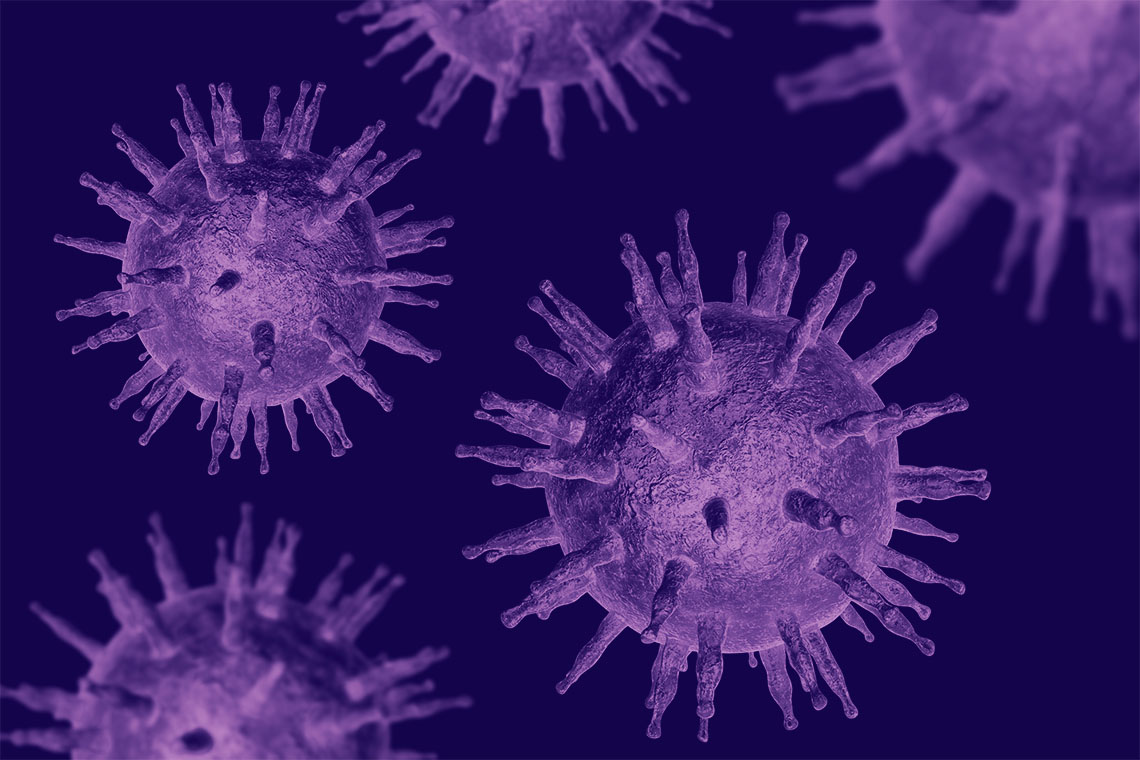
Epstein-Barr Virus (EBV) is an extremely common virus that belongs to the herpesvirus family. 50% of children have EBV, and 94% of people will have contracted it by the time they reach adulthood. Nineteen out of 20 people have the dormant EBV in their bodies.
EBV is mainly spread through saliva, which means it can be contracted through sharing utensils and cups, food, or kissing someone who is infected. Additionally, transmission can occur through sexual contact or saliva droplets that spread through coughing or sneezing. EBV can be transmitted even when symptoms are not present.
One of the unique characteristics of EBV is that once an individual becomes infected, the virus will remain within the individual, latent in the cells. It never truly disappears. It can be reactivated through different situations or medical conditions, such as stress, menopause, hormonal changes, or a weakened immune system.
The signs and symptoms of EBV can appear similar to a common cold and can easily be mistaken for another viral infection. Some individuals may not present with symptoms. Common EBV symptoms to be aware of include:
- EBV rash on the skin
- Sore throat
- Fatigue
- Fever
- Swollen lymph nodes
- Enlargement of the liver or spleen
Symptom assessment and laboratory testing can help diagnose EBV. EBV diagnosis can be confirmed using an EBV test, called the Epstein-Barr Virus antibody test. EBV treatment prioritizes rest, over-the-counter medications for symptom management, and fluid intake. Recognizing the symptoms, diagnosis, and treatment methods for EBV can benefit nurses who care for these patients, as well as serve as valuable information for patients and families to understand.
Understanding Lupus
Lupus has long been believed to be an autoimmune disorder in which the body's immune system attacks itself, leading to distressing and painful symptoms. There are four types of lupus: Systemic Lupus Erythematosus (SLE), Drug-Induced Lupus Erythematosus, Cutaneous Lupus Erythematosus, and Neonatal Lupus. The most common type of lupus is Systemic Lupus Erythematosus (SLE). Those with the highest risk of developing lupus are women ages 15-44 (often those of childbearing age), those with a family history of lupus, or those of specific racial or ethnic groups. However, lupus can still impact those of any age, race, or gender.
What does lupus look like? Lupus can look different for each patient. Symptoms of lupus can be difficult to detect or pinpoint because they can vary from person to person, target different body systems, start or return at different times in a patients life, with variations in intensity, flare-ups, and periods of remission. Additionally, lupus symptoms can also be present in other types of diseases or conditions, adding additional challenges to detection and diagnosis.
For many, common signs of lupus include:
- Fevers (often low grade)
- Fatigue
- Joint pain
- Joint swelling
- Swelling of the feet and orbital regions (lupus can impact the kidneys, causing fluid retention and swelling)
- Skin rashes (including the butterfly rash)
Lupus can involve different body systems, which can result in different symptoms for different patients. Other symptoms found in lupus patients include headaches, seizures, neuropsychiatric symptoms, kidney issues, sores of the mucous membranes, especially the mouth, skin issues on sun-exposed areas, lung pain due to pleurisy, chest pain due to pericarditis, and gastrointestinal upset, including nausea and diarrhea. Joint issues are very common and occur in 90% of lupus patients. Joint looseness, though a potential symptom, is rare. Skin issues are also very common, in which about half of lupus patients develop the well-known butterfly rash, a malar rash, on their face over their cheeks and nose. Symptoms are targeted at the skin, joints, and organ interference, leading to systemic symptoms.
Due to the nature of lupus and its attack on its own tissues and organs, additional complications can occur, many of which are life-altering or life-threatening. Complications can include heart failure, blood clots, coronary artery disease, splenomegaly, Raynauds syndrome, strokes, seizures, mental disorders, personality changes, kidney failure, bleeding abnormalities, pancreatitis, liver damage, or even pregnancy complications such as stillbirth or miscarriage.
There isnt necessarily one test that can lead to providers informing patients they have SLE, leaving many wondering how to test for lupus. A series of tests can be used to narrow down a lupus diagnosis. Amongst these tests, those with lupus tend to display particular findings. Testing can be used to rule out other chronic conditions, but diagnosis can still prove challenging, as some results are also seen in other diseases. Through physical examination, patient history, and laboratory testing, a lupus diagnosis is ultimately received.
Laboratory testing can include:
- Antinuclear antibodies (ANA) testing- Antinuclear antibodies are characteristic of SLE
- Antiphospholipid antibodies, anti-Smith, and anti-double-strand deoxyribonucleic acid (DNA) antibody testing if a patient has a positive ANA test
- Complement protein testing
- Urinalysis to detect protein or red blood cells in the urine
- Complete blood count (CBC)-utilized to detect low red blood cell counts, low platelet counts, and low white blood cell levels
- Metabolic panel to determine kidney function
- Skin or kidney biopsies
Treatment can be frustrating for patients, as there is no direct cure for the condition. Rather, treatment lies in symptom management, reducing flare-ups, and striving for remission, in which the symptoms of the condition are subdued. Medications used for symptom management are antimalarials, immunosuppressants, corticosteroids, and medications for pain management.
Commonly utilized medications in lupus treatment are:
Patients will collaborate with and consult their healthcare team to determine the proper treatment and symptom management methods, as well as medications, to improve their quality of life and manage SLE.
Nursing Implications
Nurses must use clinical vigilance when assessing and caring for patients to help aid in early lupus recognition, as well as help patients reduce flare-ups. Patient education pertaining to lupus encompasses symptom recognition, flare-up recognition, and symptom control. Lupus management will be patient-specific due to the wide range of symptoms that may occur. An important aspect of patient education pertaining to lupus management and treatment is trigger avoidance. There are certain situations that can trigger lupus flare-ups. Flare-ups can be triggered by infection, surgery, pregnancy, or even sun exposure. Being aware of these triggers and how one responds to them is key to early symptom management and improving quality of life.
In Summary
The recent discovery by Stanford University researchers is a major milestone in understanding SLE and its root cause. EBV and its role in SLE can help medical professionals better understand how to aid patients in their experiences with SLE. Nurses can help patients recognize EBV and SLE symptoms, diagnose the underlying processes, and find appropriate treatment options. By better understanding EBV and SLE, nurses and their patients can strive to improve their chronic symptoms, coping mechanisms, and quality of life when living with a chronic disease like SLE.
About the Author:
Rachel Pugmire is a registered nurse and freelance writer. She received her Bachelor of Science in Nursing in 2018, with a minor in gerontology. Her areas of expertise include emergency medicine, pediatrics, and pharmaceutical clinical trials. Medical writing has given her a platform to do what she is passionate about, which is educating patients, their families, and other healthcare professionals.
Rachel is an independent contributor to CEUfast's Nursing Blog Program. Please note that the views, thoughts, and opinions expressed in this blog post are solely those of the independent contributor and do not necessarily represent those of CEUfast. This blog post is not medical advice. Always consult with your personal healthcare provider for any health-related questions or concerns.
If you want to learn more about CEUfast's Nursing Blog Program or would like to submit a blog post for consideration, please visit https://ceufast.com/blog/submissions.